
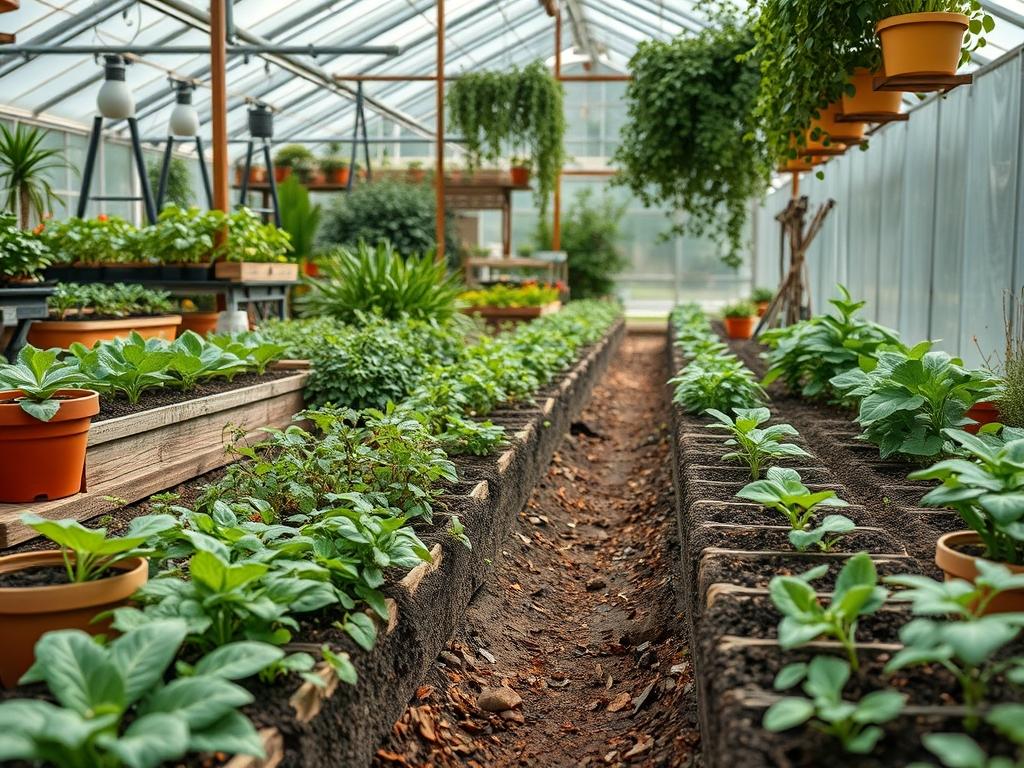
Maintaining an elite landscape requires a delicate balance between artistic vision and scientific management. While curb appeal is often the primary driver for high end residential design, the long term functionality of an outdoor environment depends on how well the ecosystem is protected from invasive threats. In modern landscape architecture, we no longer rely solely on visual inspections once a week. The integration of Smart Garden Pest Alerts has revolutionized the way we protect investments in softscaping and hardscaping. By utilizing networked sensors and high definition cameras linked to a smartphone, property owners can identify infestations before they compromise the structural integrity of specimen plants or the aesthetic uniformity of a manicured lawn. This technological layer acts as a digital immune system, ensuring that the climate considerations and regional challenges of your specific site are monitored twenty four hours a day.
Landscape Design Principles
Effective landscape design is rooted in the concepts of symmetry, focal points, and elevation layers. When I architect a space, I prioritize visual balance by placing high value specimen trees at strategic sightlines. However, these focal points are also the most vulnerable to localized pest damage. By integrating smart monitoring into the initial irrigation planning and electrical layout, we can conceal sensors within the garden bed without disrupting the visual flow. We use elevation changes, such as tiered Retaining Walls, to provide optimal mounting points for motion activated pest cameras. These devices should be positioned to overlook major thoroughfares like Natural Stone Walkways, which often act as corridors for larger pests.
True visual balance requires that every plant remains in peak health. If one Boxwood in a symmetrical hedge row becomes infested with leafminers, the entire geometric composition fails. Smart Garden Pest Alerts allow for precise intervention in specific zones. We often design with irrigation zones that correlate to these sensor clusters. This allows the smartphone app to notify the user of high moisture levels that might attract slugs or fungal gnats, providing a comprehensive view of the environment that goes beyond mere movement detection.
Plant and Material Selection
Selecting the right materials and flora is the foundation of any resilient landscape. Below is a guide for plants commonly used in high end designs and their specific requirements for longevity.
| Plant Type | Sun Exposure | Soil Needs | Water Demand | Growth Speed | Maintenance Level |
| :— | :— | :— | :— | :— | :— |
| Japanese Maple | Partial Shade | Well-draining | Moderate | Slow | High |
| Lavender | Full Sun | Sandy/Gritty | Low | Medium | Low |
| Dwarf Boxwood | Full to Part Sun | Loamy | Moderate | Slow | Medium |
| Native Switchgrass | Full Sun | Adaptable | Low | Fast | Low |
| Hydrangea Macrophylla | Morning Sun | Rich Organic | High | Medium | Medium |
| Fescue Turf | Full Sun/Shade | Aerated Soil | High | Fast | High |
When selecting hardscape materials such as Pea Gravel, Flagstone, or Decomposed Granite, consider how these surfaces interact with sensor technology. Reflective surfaces can sometimes trigger false positives on infrared sensors, so matte finishes are often preferred for areas near high tech monitoring equipment.
Implementation Strategy
The implementation of a tech enabled garden begins with a detailed site analysis. First, evaluate the grading of your land. Sensors should be installed on high ground to prevent water logging of electronic components during heavy rain. During the grading process, we recommend installing a PVC Conduit at least 12 inches below the surface to run power to your smart hubs safely. Once the hardscaping is set, define your zones using Steel Edging or Stone Borders to create clear boundaries for sensor ranges.
Next, focus on sensor placement. Impact sensors should be placed on the trunks of larger trees, while moisture and pest activity sensors are best suited for the mulch layer. We typically recommend a 3 inch layer of Hardwood Mulch to stabilize soil temperature, but ensure the sensor probes reach the actual soil line. Connect these devices to a central bridge that communicates with your home Wi-Fi network. Configure your smartphone alerts to distinguish between beneficial insects and harmful pests. High end systems use AI image recognition to identify a Japanese Beetle versus a Ladybug, sending a push notification to your phone only when action is required.
Common Landscaping Failures
One of the most frequent mistakes in landscape management is neglecting proper drainage. When water pools around the base of a Retaining Wall, it creates a breeding ground for pests that can trigger constant, unnecessary alerts. Ensure that your site has a minimum 2 percent grade away from all structures. Another common failure is root overcrowding. When plants are spaced too closely, airflow is restricted, leading to high humidity pockets that sensors will flag as high risk zones for aphids and mildew.
Soil compaction is another silent killer of luxury landscapes. In areas with high foot traffic, the soil becomes dense, preventing oxygen from reaching the roots and causing sensors to report inaccurate moisture data. We often see irrigation inefficiencies where the spray heads are blocked by the fast growth of Ornamental Grasses. If your smart system detects localized wilting despite a scheduled watering, check for physical obstructions or broken Drip Emitters. Finally, failing to calibrate your alerts can lead to “notification fatigue.” If your smartphone buzzez every time a squirrel passes a camera, you are likely to ignore a legitimate alert regarding an invasive moth or borer.
Seasonal Maintenance
Landscape management is a year round commitment that changes with the sun’s path. In the Spring, focus on “waking up” your technology. Clean camera lenses with a Microfiber Cloth and replace batteries in all remote sensors. This is also the time to apply a fresh 2 inch layer of Mulch to discourage early season weed growth and pest larvae. During the Summer, monitor your smartphone alerts for heat stress. Increase irrigation frequency for Fescue Turf if the soil sensors indicate moisture levels below 20 percent.
As Autumn approaches, the focus shifts to debris management. Fallen leaves can bury your sensors and provide hiding spots for rodents. Use a Leaf Blower to clear walkways and sensor zones. If you have a water feature, ensure the sensors are set to detect freeze levels. In the Winter, most smart garden systems should be switched to a “dormant” mode, but keep cameras active to monitor for deer or other animals that might forage on your Evergreen Shrubs. Checking the structural integrity of Retaining Walls after a hard freeze is also essential, as soil expansion can cause shifting that might sever underground wiring.
Professional Landscaping FAQ
How many sensors do I need for a standard backyard?
Most quarter acre lots require approximately 4 to 6 multisensors and 2 high definition cameras. This ensures total coverage of focal points and high traffic plant beds without creating redundant data points on your smartphone app.
Will mulch interfere with my smart pest sensors?
If placed correctly, mulch protects sensors from extreme temperature swings. However, ensure the sensor probes penetrate the 3 inch mulch layer to contact the soil. Keep the infrared “eyes” of the sensor clear of any loose bark or organic debris.
Can I integrate pest alerts with my existing irrigation?
Yes, most professional grade smart hubs allow for “if-this-then-that” logic. For example, if a sensor detects a specific pest that thrives in dry soil, the system can automatically trigger a 10 minute misting cycle from your Drip Irrigation.
What is the best way to hide sensors in a garden?
Place sensors behind large leafed plants like Hostas or near the interior base of a Boxwood. You can also use decorative Faux Rocks designed to house electronics, ensuring they blend seamlessly with your River Rock or Boulders.
Do smart pest alerts work at night?
Most modern pest cameras utilize infrared night vision. Since many destructive pests are nocturnal, this is the most critical time for monitoring. Ensure your smartphone is set to allow “critical alerts” so you are notified of major intrusions instantly.