
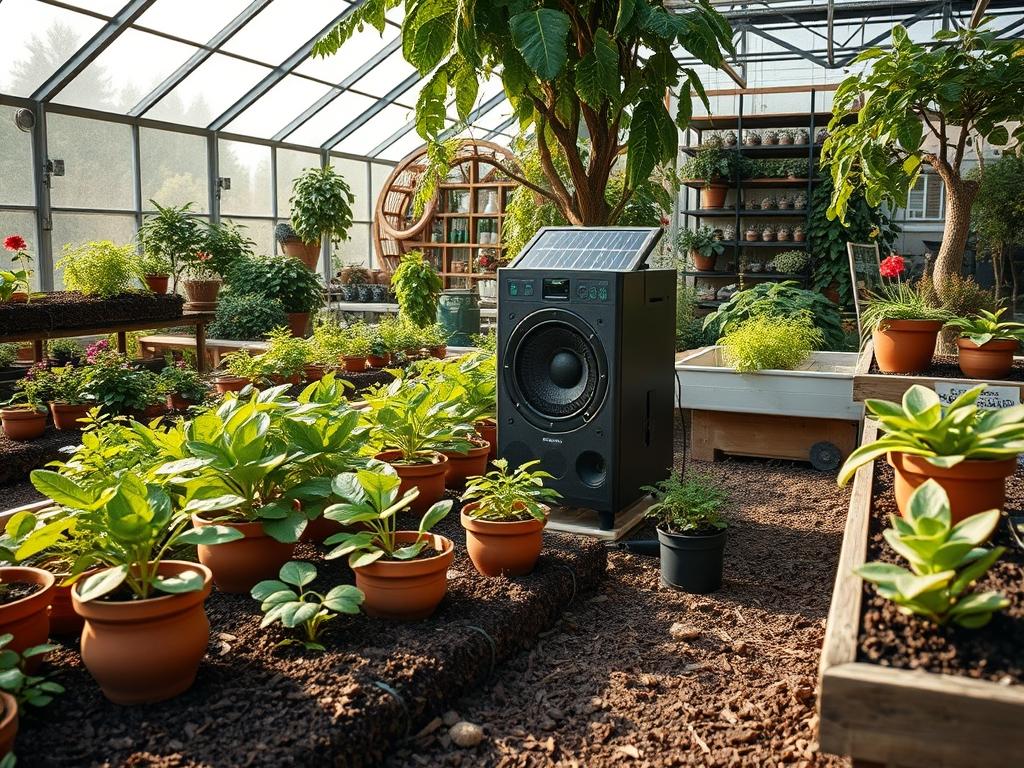
Integrating sound into a modern landscape requires more than just placing a speaker on a porch table; it involves a deep understanding of how sound waves interact with hardscape materials and botanical barriers. The rise of Solar Powered Outdoor Audio technology has revolutionized this process by eliminating the need for invasive trenching or complex electrical permits. When a landscape architect approaches a new project, the goal is to enhance functionality without compromising the aesthetic integrity of the environment. High quality sound should feel like it is emerging from the foliage itself, rather than acting as a visual distraction. Climate considerations play a massive role here, as solar components must withstand UV exposure, extreme humidity, and freezing temperatures. By selecting the right hardware, a homeowner can significantly boost their property value and curb appeal, creating a resort-like atmosphere that operates entirely on renewable energy. The challenge lies in harmonizing these technical elements with the organic flow of the garden, ensuring that the technology serves the landscape rather than dominating it.
Landscape Design Principles
Effective landscape design relies on the core concepts of symmetry and visual balance, which apply directly to how one integrates Solar Powered Outdoor Audio. When planning the layout, architects often look for the Golden Ratio to place focal points, such as sculptures or water features. Speakers should follow a similar logic; they must be distributed to provide even coverage without creating hotspots of high volume. In a symmetrical garden, placing twin solar rock speakers at the edges of a flagstone patio creates a professional, mirrored effect. However, in more naturalistic, asymmetrical designs, the placement should focus on elevation layers. By utilizing different heights, such as mounting units on retaining walls or tucking them into low-lying groundcover, you create a three-dimensional soundscape that mimics the way noise travels through a forest.
Visual balance is equally critical when dealing with solar panels. While the technology requires direct sunlight, an exposed, glossy panel can clash with the rustic textures of cedar mulch or weathered limestone. Designers solve this by using plants to frame the technology, ensuring the panels are angled toward the southern sky while remaining hidden from the primary gathering areas. Walkways also play a structural role in audio planning. If a path leads to a secluded fire pit, the audio transition should be seamless. Proper mapping ensures that as a guest moves from the paver installation to the garden path, the signal remains consistent. Furthermore, irrigation planning must account for the electronics. Even with high IP67 waterproof ratings, placing solar audio units directly in the path of a high-pressure sprinkler head is a recipe for long-term corrosion and mineral buildup.
Plant and Material Selection
The following table outlines plants that complement an outdoor audio environment by providing noise buffering, visual screening, or ground stabilization.
| Plant Type | Sun Exposure | Soil Needs | Water Demand | Growth Speed | Maintenance Level |
| :— | :— | :— | :— | :— | :— |
| Boxwood Shrub | Full Sun/Part Shade | Well-drained | Moderate | Slow | Medium |
| Western Red Cedar | Full Sun | Moist, acidic | High | Medium | Low |
| Japanese Forest Grass | Shade/Part Shade | Humus-rich | Moderate | Slow | Low |
| English Ivy | Part Shade to Shade | Versatile | Low | Fast | High |
| Blue Star Creeper | Full Sun/Part Shade | Moist | Moderate | Fast | Low |
| Creeping Thyme | Full Sun | Sandy/Loamy | Low | Medium | Very Low |
| Switchgrass | Full Sun | Most types | Low | Fast | Low |
Selecting the right materials for the surrounding area is just as important as the plants. Crushed granite and river rock provide excellent drainage for ground-staked speakers. Using non-woven geotextile fabric beneath these materials prevents weeds from interfering with sensors. When choosing Solar Powered Outdoor Audio, the material of the speaker housing itself should be a consideration. High-density polyethylene (HDPE) or fiberglass-reinforced resin are preferred for their ability to withstand soil acidity and thermal expansion.
Implementation Strategy
The implementation of a professional garden layout begins with a thorough site analysis. Start by using a 30-foot tape measure to mark the boundaries of your listening zones. Once the zones are identified, check the grading of the land. Sound travels differently over slopes than it does over flat surfaces; therefore, you may need to adjust the angle of your speakers to prevent sound from bouncing off hard surfaces like brick walls or aluminum siding. After grading, address the drainage requirements. If you are placing speakers in a low-lying area, install a small French drain or use a 4-inch layer of gravel to ensure water does not pool around the base of the solar units during heavy rain.
Next, focus on the edging and hardscaping. Create a defined border using steel edging or pressure-treated timber to separate the audio zones from the active gardening areas. This prevents damage from string trimmers and lawn mowers. When laying out the equipment, ensure the monocrystalline solar panels have an unobstructed view of the sky. If you are integrating the system into a pergola or trellis, use stainless steel fasteners to prevent rust streaks on the wood. Once the hardware is set, apply a 2-inch to 3-inch layer of organic mulch. This helps regulate soil temperature, which indirectly protects the battery life of the solar units by preventing the ground from becoming an oven during peak summer heat. Finally, perform a walk-through test at different times of the day to ensure the lithium-ion batteries are charging sufficiently and the audio quality remains crisp as the ambient environment noise changes.
Common Landscaping Failures
One of the most frequent mistakes in landscape architecture is improper spacing, particularly when technology is involved. Root overcrowding occurs when fast-growing shrubs are planted too close to fixed objects, including solar speaker bases. Over time, the expanding root systems of a Ligustrum or Leyland Cypress can heave the speakers out of the ground or tilt the solar panels away from the sun. Soil compaction is another silent killer. When heavy equipment is used during the hardscape installation, the soil can become so dense that it loses its ability to drain. This leads to standing water, which can penetrate the seals of even the best Solar Powered Outdoor Audio systems and cause internal short circuits.
Irrigation inefficiencies also rank high among common failures. Many homeowners install their speakers and then realize the drip irrigation lines are positioned in a way that creates constant moisture at the speaker base. This encourages the growth of fungus and moss, which can clog the speaker grilles and muffle the sound. Additionally, failing to account for the growth height of ornamental grasses like Miscanthus can lead to a perfectly placed solar panel being completely shaded by mid-July. Always research the mature height of your flora to ensure the sun path remains clear throughout the growing season.
Seasonal Maintenance
Spring is the time for a system audit. Check all Solar Powered Outdoor Audio units for signs of pest intrusion, such as spider webs or wasp nests in the bass ports. Use a soft, damp cloth to clean the silicon solar cells, as winter grime and pollen can reduce charging efficiency by up to thirty percent. This is also the best time to refresh your mulch layers and ensure the grading hasn’t shifted due to frost heave.
During the summer, the focus shifts to moisture management. High temperatures can stress lithium-ion batteries, so ensure there is adequate airflow around the units. If the speakers are located near a pool, rinse them gently with fresh water once a week to remove chlorine or salt residue. In autumn, the primary task is leaf removal. Debris covering the solar panels will prevent the units from holding a charge during the shorter days. Prune back any perennials that have become overgrown and are obstructing the signal path.
Winter maintenance depends on your climate. In regions with heavy snow, it is often best to move portable solar speakers indoors. For permanent installations, use a bristle brush to keep the panels clear of snow. Avoid using salt or chemical de-icers near the equipment, as these can corrode the metallic components and damage the surrounding soil pH. Regularly check the structural integrity of retaining walls and pavers that support your audio equipment to ensure that the freezing and thawing cycle hasn’t caused uneven settling.
Professional Landscaping FAQ
How long do solar audio batteries typically last in cold weather?
Most high-quality lithium-ion batteries maintain functionality for three to five years. However, extreme cold reduces their immediate capacity, meaning you might see shorter playback times during the winter months even if the panels receive full sun.
Where is the best place to hide solar speakers for aesthetics?
Tuck speakers into evergreen shrubs like Boxwood or behind larger boulders. Ensure the solar collector is positioned on a separate, sun-facing stalk or at the top of the unit to maintain a clear line to the sky.
Can I use solar audio near a saltwater pool area?
Yes, but you must select units with a high Marine Grade rating. Salt air is highly corrosive, so frequent rinsing with fresh water and applying a silicone-based protectant to the housing can help extend the life of the system.
Do solar speakers require a specific type of mulch for protection?
Use hardwood bark mulch or cedar mulch rather than pine straw. These materials are heavier and less likely to blow into the speaker grilles or cover the solar panels during high winds or heavy seasonal storms.
Does shade from a patio umbrella affect the audio performance?
If the umbrella blocks the speaker’s solar panel for more than four hours during peak daylight, the battery will eventually fail. Position speakers on the perimeter of the shaded zone to ensure they stay charged throughout the day.