
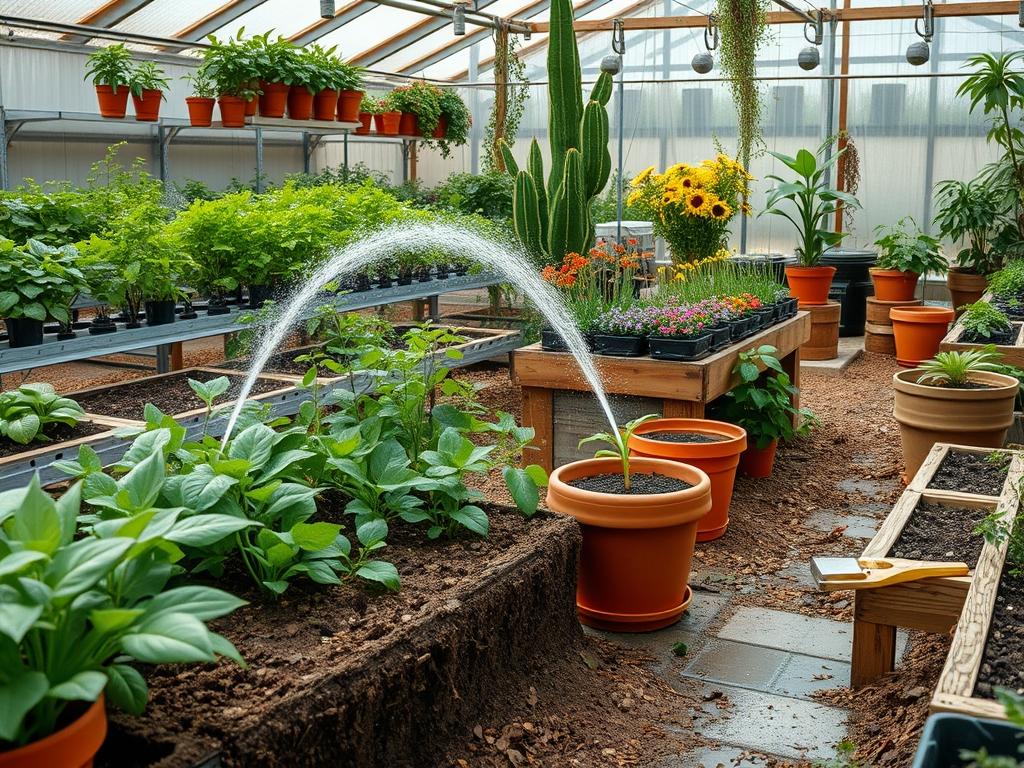
Landscape architecture is a disciplined marriage between biological requirements and architectural precision. A successful outdoor environment provides a seamless transition from the structured interior of a home to the fluid, seasonal cycles of the natural world. In the current era of climate variability, the preservation of curb appeal must be balanced against responsible resource management. Homeowners often struggle with maintaining lush aesthetics during periods of drought or unexpected heatwaves, which is where the integration of advanced technology becomes vital. Modern systems allow for a level of control that was previously reserved for golf courses or high end commercial estates. These Smart Irrigation System Tips will help you navigate the complexities of landscape hydration while ensuring your property remains an asset rather than a maintenance burden.
Design serves as the foundation of any external space. If the initial layout is flawed, no amount of technology can compensate for poor drainage or inappropriate plant placement. Landscaping is not merely about planting flowers; it is about defining the volume of a space and directing the movement of the eye. By understanding the interaction between topography and water flow, you can create a sanctuary that thrives with minimal manual intervention. Proper planning ensures that every gallon of water delivered by your system serves a tactical purpose for the health of your flora.
Landscape Design Principles
Successful design begins with the concept of symmetry and visual weight. Symmetrical entries create a sense of formality and stability, whereas asymmetrical groupings offer a more relaxed, naturalistic feeling. To achieve a professional look, you must consider elevation layers. This involves stacking plants in height tiers: groundcovers at the front, mid-sized shrubs in the center, and canopy trees or tall evergreens at the rear. This layering creates depth and masks any unsightly foundations or utility boxes.
The most critical principle in modern landscaping is hydrozoning. This is the practice of clustering plants with similar water requirements into specific irrigation zones. By grouping drought tolerant species like Rosemary or Agave separate from water intensive plants like Hydrangeas, you prevent the common error of overwatering the former to satisfy the latter. This direct alignment between design and hydraulics is one of the most effective Smart Irrigation System Tips for reducing waste and preventing root rot.
Visual balance also extends to your hardscaping. Walkways should be the correct width to accommodate two people walking side by side; usually 48 inches is the standard requirement. These paths do more than provide access; they act as a framework for your garden beds. When planning your irrigation, these paths should be used as logical breaks for piping, ensuring that water is delivered precisely to softscape areas without spraying onto concrete or masonry, which can lead to staining and unnecessary runoff.
Plant and Material Selection
Selecting the right biological assets requires an understanding of your local microclimate. Factors such as wind exposure and soil pH will dictate the longevity of your investment.
| Plant Type | Sun Exposure | Soil Needs | Water Demand | Growth Speed | Maintenance |
| :— | :— | :— | :— | :— | :— |
| Buxus sempervirens | Full Sun/Part Shade | Well-Drained | Moderate | Slow | High (Pruning) |
| Lavandula angustifolia | Full Sun | Sandy/Gritty | Low | Medium | Low |
| Acer palmatum | Dappled Shade | Slightly Acidic | High | Slow | Medium |
| Pachysandra terminalis| Full Shade | Rich/Moist | Moderate | Medium | Low |
| Miscanthus sinensis | Full Sun | Varied | Low-Medium | Fast | Annual Cutback |
| Echinacea purpurea | Full Sun | Lean/Dry | Low | Fast | Low |
Implementation Strategy
Executing a landscape plan requires a systematic approach to the site. Before any plants enter the ground, you must address the grading. The land should always slope away from the home’s foundation at a rate of at least one quarter inch per foot. This prevent structural damage and ensures that excess water from heavy storms moves toward appropriate drainage areas. If your yard has steep slopes, consider installing retaining walls to create flat, manageable terraces. This prevents erosion and allows water to soak into the soil rather than racing down a hill.
Once the grade is set, mark your garden bed edges using a square blade spade or a dedicated edging tool. Defined edges provide a professional finish and keep turf grass from encroaching on your ornamental areas. When laying out your irrigation, use polyethylene tubing or PVC pipe rated for your specific water pressure. Incorporating a smart controller is one of the top Smart Irrigation System Tips because it allows the system to adjust based on local weather forecasts. Use drip emitters for shrub zones and rotary nozzles for turf zones to ensure maximum efficiency.
After the plants are in their designated spots, apply a 3-inch layer of organic mulch. Mulch serves three primary functions: it suppresses weed growth, regulates soil temperature, and significantly reduces the rate of evaporation. This ensures that the water delivered by your smart system stays where it is needed most, at the root zone. Common materials include shredded cedar, pine bark, or composted forest products. Avoid piling mulch against the trunks of trees, as this can trap moisture against the bark and invite wood-boring insects.
Common Landscaping Failures
The most frequent error in residential landscapes is soil compaction. During construction or heavy renovation, heavy equipment often crushes the air pockets in the soil. This prevents oxygen from reaching the roots and stops water from infiltrating. If you can’t push a screwdriver into the ground easily, you likely have compaction issues that require mechanical aeration or the addition of organic matter like gypsum or compost.
Another failure point is improper plant spacing. It is tempting to plant closely for immediate impact, but this leads to root overcrowding and poor air circulation within a few years. Always research the “mature spread” of a species and space your plants accordingly. Irrigation inefficiencies are also a major hurdle. Many homeowners set their timers to run daily for short durations. This encourages shallow root systems that cannot withstand heat. Instead, follow professional advice and water deeply but less frequently, which encourages roots to grow downward into the cooler, moister layers of the earth.
Finally, drainage mistakes can be costly. If you see standing water more than twelve hours after a rain event, your site drainage is inadequate. Installing a French drain or a dry creek bed can redirect this water efficiently. Failing to account for these issues before installing a smart irrigation system will result in the system constantly fighting against your yard’s natural topography.
Seasonal Maintenance
Landscape management is a year round commitment that changes with the sun’s path. In the Spring, your primary goal is calibration. Check your smart irrigation controller to ensure the weather sensors are clean and functioning. Test each zone for leaks or clogged nozzles that may have been damaged over the winter. This is also the time to apply a slow-release fertilizer to support the season’s initial growth burst.
During the Summer, the focus shifts to stress management. Monitor your plants for signs of heat exhaustion. If you notice leaf curl in the afternoon, your plants might need a supplemental “cycle and soak” program on your controller. This involves running the water for several short intervals rather than one long one, allowing the soil to absorb moisture without runoff.
As Autumn approaches, begin tapering your water schedule. Plants are preparing for dormancy and require less hydration. This is the optimal time for planting new trees and shrubs, as the cooler air and warm soil promote root development without the stress of high evaporation. Clean out fallen leaves from your drainage grates to prevent flooding during fall rains.
In the Winter, the most important task is system protection. In colder climates, you must perform a “blowout” of your irrigation lines using an air compressor to remove all water that could freeze and burst the pipes. Turn off the main water supply to the exterior and insulate any exposed backflow preventers. It is also the season for structural pruning of deciduous trees while their branch architecture is visible.
Professional Landscaping FAQ
What is the best time of day to irrigate?
Watering in the early morning, specifically between 4 AM and 8 AM, is most effective. This reduces evaporation from the sun and prevents the wind from blowing water off course. It also allows foliage to dry quickly, which prevents fungal diseases.
How do I know if my smart controller is working?
Check your system’s mobile app for logs of “skipped cycles.” A functional smart controller will automatically cancel scheduled watering when the local weather station reports recent rain or high humidity. If it runs during a rainstorm, your sensors need recalibration.
What is the benefit of a rain sensor?
A rain sensor acts as a mechanical override for your irrigation. It detects a specific threshold of moisture and interrupts the electrical signal to the valves. This prevents water waste and keeps your soil from becoming oversaturated during heavy storms.
Can I use drip irrigation for my lawn?
Subsurface drip irrigation for lawns is possible but requires professional installation. It involves burying tubes beneath the turf. While it is highly efficient and eliminates wind drift, it is more difficult to repair and maintain than traditional pop-up rotary heads.
Why is my mulch turning gray or washing away?
Mulch naturally bleaches from UV exposure over time. If it is washing away, you likely have a drainage or grading issue. Try using a heavier, “double-ground” mulch or installing small landscape boulders to slow down the velocity of surface water runoff.