
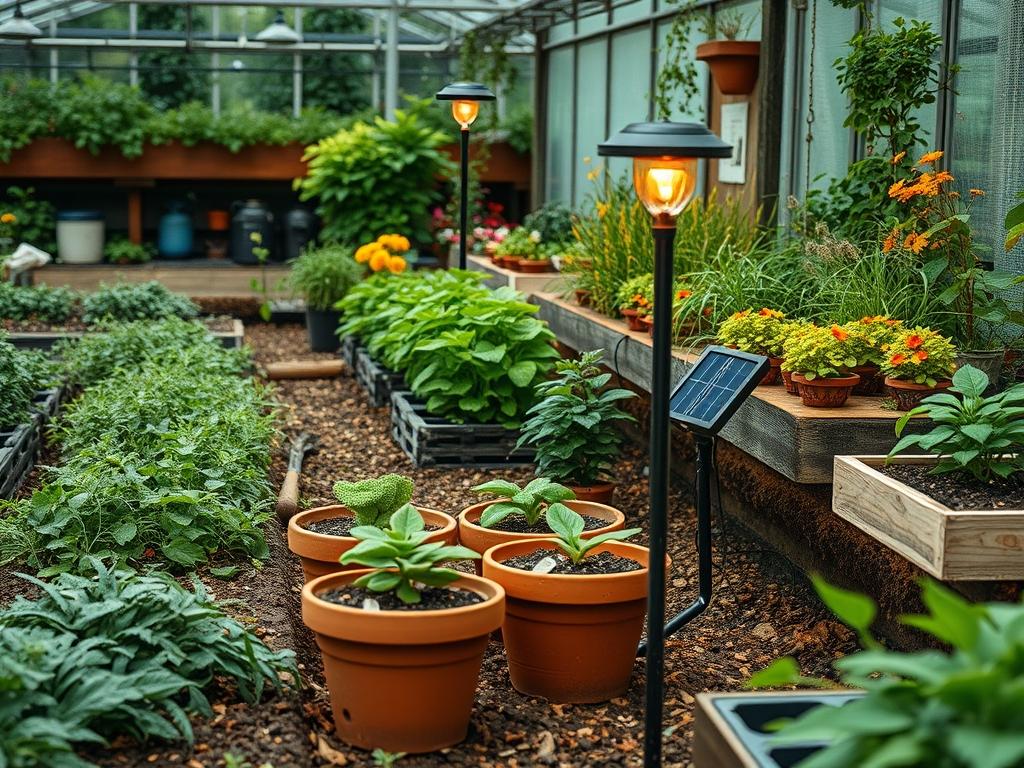
Designing a professional landscape requires a delicate balance between aesthetic beauty and functional longevity. When we approach the integration of Solar Powered Garden Lights, we are not merely adding accessories to a yard; we are defining the nocturnal architecture of the outdoor environment. The primary challenge for any homeowner or consultant lies in ensuring these fixtures receive adequate photovoltaic charging while simultaneously highlighting the most architecturally significant features of the property. Proper placement enhances curb appeal and increases safety, yet it demands a keen understanding of solar trajectory and shadows cast by existing foliage. A well-executed lighting plan extends the usability of outdoor living spaces long after the sun sets, creating a seamless transition from the interior of the home to the natural world outside. By prioritizing high quality materials and strategic placement, a landscape architect transforms a dark, flat yard into a three-dimensional experience rich with depth and texture.
Landscape Design Principles
Effective illumination follows the core tenets of professional site planning, specifically symmetry, focal points, and elevation layers. When placing Solar Powered Garden Lights, do not simply line them up like a runway. Instead, utilize a staggered approach to create a sense of rhythm and flow. For narrow walkways, placing lights on alternating sides of the path prevents a rigid, institutional look and provides a more organic visual journey through the garden.
Focal points are essential for drawing the eye to specific areas, such as a specimen tree, a retaining wall, or a water feature. Uplighting is a powerful technique here; by placing a high lumen solar spotlight at the base of a Japanese Maple, you emphasize the intricate branch structure and bark texture. Elevation layers also play a significant role. Use low-level path lights for safety, mid-level well lights for shrubbery, and higher-mounted lanterns on fence posts or pergolas to create a wash of light across the entire landscape.
Furthermore, you must coordinate your lighting layout with your irrigation planning. Ensure that your light fixtures are not positioned directly in the path of high-pressure sprinkler heads. Constant water exposure, even with weatherproof ratings, can lead to mineral buildup on the solar panels, which drastically reduces charging efficiency over time. Proper visual balance ensures that no single area is over-illuminated while leaving other sections in total darkness, creating a cohesive and safe environment.
Plant and Material Selection
The following table provides a selection of plants that pair excellently with outdoor lighting schemes due to their structural characteristics or reflective foliage.
| Plant Type | Sun Exposure | Soil Needs | Water Demand | Growth Speed | Maintenance Level |
| :— | :— | :— | :— | :— | :— |
| Lavender (Lavandula) | Full Sun | Well-Drained | Low | Moderate | Low |
| Boxwood (Buxus) | Full to Part Sun | Loamy | Medium | Slow | Moderate |
| Fountain Grass (Pennisetum) | Full Sun | Sandy/Loamy | Low | Fast | Low |
| Hostas (Hosta spp.) | Shade/Part Sun | Rich/Moist | Medium | Moderate | Low |
| Creeping Thyme | Full Sun | Poor/Sandy | Low | Moderate | Low |
| Silver Mound (Artemisia) | Full Sun | Well-Drained | Low | Moderate | Low |
Implementation Strategy
Planning a comprehensive layout for your Solar Powered Garden Lights begins with a thorough site assessment. You must track the sun’s movement throughout the day to identify “solar hotspots” where panels will receive at least six to eight hours of direct sunlight. Begin by sketching your property, noting the locations of walkways, driveways, and large structural elements like decks or retaining walls.
Once the plan is on paper, consider the grading of your installation site. If the ground is uneven, the lights may sit at awkward angles, which ruins the professional aesthetic. Use a small level to ensure each light stake is perfectly vertical. For the best visual results, integrate your lighting with your edging and mulch layers. A common practice among landscape contractors is to install the lights just inside the mulch bed, approximately four inches from the hardscape edge. This protects the fixtures from lawnmower damage while creating a clean, defined line of light.
If you are dealing with heavier clay soils, use a manual auger or a sturdy trowel to create a pilot hole before inserting the light stakes. Forcing a plastic stake into compacted earth frequently results in breakage. After the lights are positioned, apply a fresh layer of bark mulch or decorative stone around the base. This serves a dual purpose: it hides the plastic base of the fixture and suppresses weeds that might otherwise grow tall enough to shade the solar collectors. Always check for proper drainage around your fixtures; standing water can eventually seep into the battery compartments and cause electrical failure.
Common Landscaping Failures
The most frequent mistake in solar lighting installation is ignoring the growth patterns of nearby native plants. A light that works perfectly in the spring may be completely obscured by a fast-growing shrub by mid-summer. This results in “dark zones” where the fixture cannot charge and becomes an invisible tripping hazard. Always research the mature spread of your plants and place your Solar Powered Garden Lights outside of that eventual footprint.
Another significant failure is improper drainage management. Many homeowners place solar lights in low-lying areas where water naturally collects during a heavy rain. While most lights are water-resistant, they are rarely waterproof. Submerging the internal lithium-ion batteries and circuitry for extended periods will lead to corrosion and premature failure. Ensure the grade of your garden beds slopes away from the fixtures.
Finally, soil compaction and root overcrowding can hinder installation. If you are trying to install lights in an established garden, you may encounter large roots from nearby trees. Never hack through a primary root to make space for a light stake; instead, shift your lighting position or use a surface-mounted light. Avoid “light pollution” by not overdoing the number of fixtures. Too many lights can create a cluttered atmosphere that detracts from the quiet beauty of a night garden; focus on quality of light over sheer quantity.
Seasonal Maintenance
To keep your Solar Powered Garden Lights functioning at peak performance, you must follow a seasonal maintenance schedule. In the spring, the primary task is cleaning. Use a damp, lint-free cloth to wipe away pollen, dust, and bird droppings from the solar panels. Any obstruction on the panel surface reduces the amount of energy the light can store. This is also the time to check for any shifting or leaning caused by soil expansion and contraction during the winter thaw.
During the summer, the focus shifts to vegetation control. Prune back any overhanging branches or tall decorative grasses that might be casting shadows over the sensors. High temperatures can also affect battery longevity; if you notice a light staying on for significantly shorter durations, it may be time to replace the internal rechargeable battery.
Autumn brings the challenge of falling leaves. A single large leaf covering a solar panel can prevent the light from functioning entirely. Regularly clear debris from the fixtures to ensure they continue to charge as the days grow shorter. In the winter, snow management is critical. If you live in an environment with heavy snowfall, you may want to remove your lights and store them indoors to prevent the plastic from becoming brittle and cracking in the sub-zero temperatures. If you leave them out, ensure the panels are cleared of snow immediately after every storm.
Professional Landscaping FAQ
How many lumens do I need for garden paths?
For standard walkways, aim for 35 to 50 lumens per fixture. This provide enough illumination for safety without creating a harsh glare. Higher output lights, reaching 100 lumens or more, are better suited for security or accentuating large trees.
Can solar lights work in the shade?
While they may still turn on, they will not reach full brightness or stay lit all night. Solar panels require direct uv rays to charge the battery. If your garden is heavily shaded, consider lights with a remote solar panel positioned in the sun.
How often should I replace the batteries?
Most Solar Powered Garden Lights use NiMH or Lithium-ion batteries that last between one and two years. If the light becomes dim or fails to stay illuminated for more than four hours, it is time to install a fresh set of high-capacity cells.
Will rain or sprinklers damage my solar lights?
Professional-grade lights are designed with an IP44 or IP65 rating, meaning they are resistant to rain and splashes. However, they should never be submerged. Ensure your drainage is efficient so water does not pool around the base of the stakes.
Is it better to leave solar lights on all winter?
It is generally safe, provided you keep the panels clear of snow. However, in extreme climates with temperatures consistently below freezing, storing them indoors can preserve the plastic housing and prolong the life of the rechargeable batteries.