
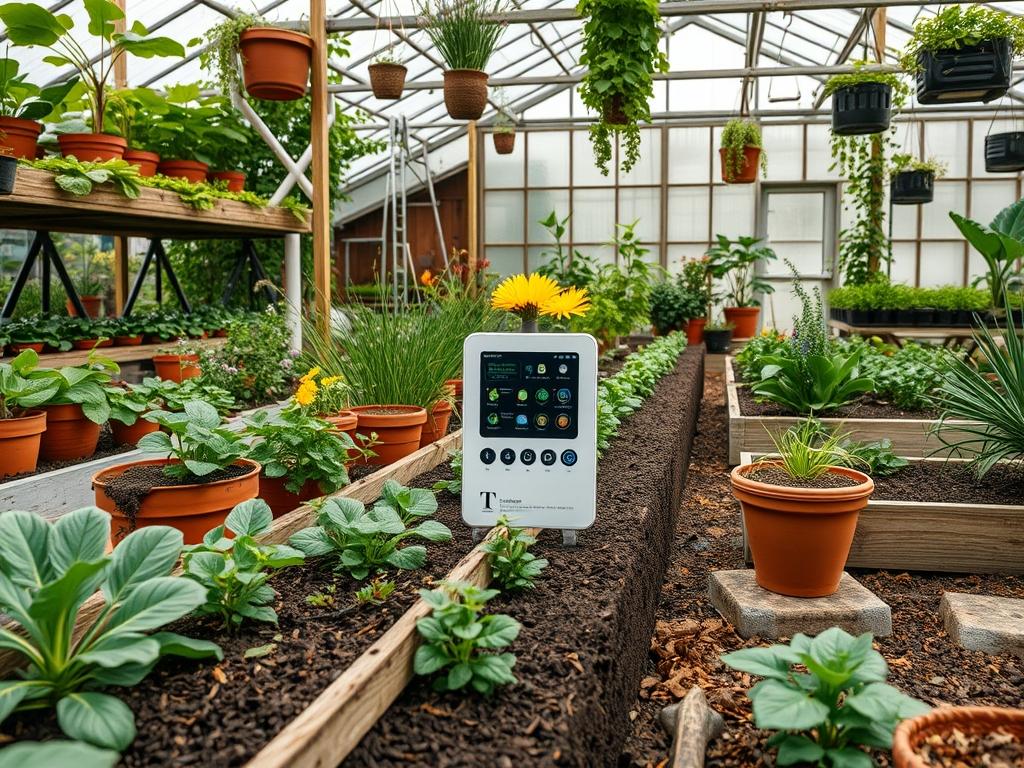
Modern landscaping is a sophisticated marriage of biological resilience and architectural precision. It requires more than a casual eye for aesthetics; it demands a deep understanding of site topography, soil chemistry, and local microclimates. As a professional, your goal is to transform a standard outdoor space into a high performing ecosystem that enhances the property value and provides functional utility. Achieving the status of a Smart Garden Automation Pro involves viewing the yard as a series of integrated systems where water, light, and nutrients are managed with surgical accuracy. This transition from traditional gardening to automated landscape management begins with a master plan that respects the natural limitations of the land while leveraging modern technology to overcome environmental stressors. Curb appeal is the immediate reward, but the long term value lies in the sustainability and ease of maintenance that a well engineered design provides.
A comprehensive site analysis is the first mandatory step in any professional project. You must evaluate the direction of the sun throughout the day, the prevailing wind patterns, and the natural slope of the terrain. These factors dictate where humans will feel most comfortable and where specific plant species will thrive. Drainage is perhaps the most critical technical component. Without a strategy to move water away from the foundation and prevent stagnant pooling, even the most expensive plantings will fail. We look at the landscape through the lens of outdoor living, creating distinct zones for relaxation, dining, and utility. By integrating automation early in the planning phase, you ensure that sensors and irrigation lines are buried beneath the hardscape and mulch, keeping the technology invisible while it maintains the health of the garden.
Landscape Design Principles
Design excellence is rooted in balance and intentionality. We utilize axial symmetry to create a sense of order, guiding the eye toward specific focal points such as a custom water feature, a specimen tree, or a modern sculpture. Visual balance does not always mean a mirror image; asymmetrical balance can be achieved by counteracting a large, heavy deciduous tree with a dense cluster of evergreen shrubs on the opposite side. This creates a composition that feels stable yet dynamic.
Elevation layers are essential for adding depth to a flat lot. By using retaining walls or raised beds, you can create vertical interest and clearly define different horticultural zones. These changes in height also provide technical advantages for drainage and soil separation. For example, a retaining wall built with natural fieldstone or pre-cast concrete blocks can hold back a slope to create a level patio area. Within these layers, we practice hydrozoning, which is the grouping of plants with similar water requirements. This is a foundational skill for any Smart Garden Automation Pro. By placing drought tolerant species together and moisture loving plants in another zone, your automated drip irrigation system can operate with maximum efficiency, preventing the common mistake of overwatering the entire property to satisfy a single thirsty hydrangea.
Walkways should be designed to handle the anticipated flow of traffic while acting as the skeletal structure of the garden. A secondary path of crushed granite or irregular flagstone allows for maintenance access without compacting the soil near delicate root systems. Furthermore, lighting should be integrated into the design to highlight these paths and provide safety. Smart lighting controllers allow for the creation of scenes that adjust based on the time of year or the presence of motion, ensuring that the landscape remains functional after the sun sets.
Plant and Material Selection
Selecting the right materials and flora is a technical exercise in compatibility. The following table highlights common choices for a professionally managed landscape.
| Plant Type | Sun Exposure | Soil Needs | Water Demand | Growth Speed | Maintenance Level |
| :— | :— | :— | :— | :— | :— |
| Boxwood Shrub | Full Sun to Shade | Well-drained | Moderate | Slow | Low |
| Lavender | Full Sun | Sandy/Gravelly | Low | Medium | Medium |
| Japanese Maple | Partial Shade | Slightly Acidic | Moderate | Slow | Medium |
| Blue Fescue | Full Sun | Lean/Dry | Low | Medium | Low |
| River Birch | Full Sun | Moist/Clay | High | Fast | High |
| Creeping Thyme | Full Sun | Loose/Poor | Low | Fast | Low |
For hardscaping, the choice of material impacts both heat retention and water runoff. Concrete pavers are durable and offer various textures, while natural stone provides a high end, timeless look. When selecting mulch, opt for high quality shredded cedar or dark hemlock. Mulch should be applied at a depth of 3 inches to suppress weeds and retain soil moisture effectively. Avoid dyed mulches that may leach chemicals into the ecosystem.
Implementation Strategy
The implementation phase is where the technical design becomes a physical reality. Start with a thorough grading of the property. Use a laser level or a theodolite to ensure the ground slopes away from buildings at a minimum of 2 percent. This prevents basement flooding and foundation issues. If the soil is heavy clay, install a French drain system consisting of 4-inch perforated pipe encased in 3/4-inch washed gravel and wrapped in filter fabric.
Once the drainage is established, move to the hardscaping. The longevity of a patio or walkway depends entirely on the sub-base. Dig out the area and backfill with 4 to 6 inches of compacted 21A or 57 stone, followed by a 1-inch layer of bedding sand. Use a power plate compactor to ensure the base is rock solid before laying your pavers. This prevents the settling and shifting often seen in amateur DIY projects.
After the hardscape is set, install the irrigation infrastructure. For a Smart Garden Automation Pro, this involves laying polyethylene tubing for drip lines and PVC piping for pop-up rotors. Install solenoid valves in a centralized valve box for easy access. Before the plants go in the ground, test the system for leaks. When planting, dig holes twice as wide as the root ball but no deeper than the original container. This encourages lateral root growth. Finish the beds with galvanized steel edging to create a crisp, professional boundary between the lawn and the planting zones.
Common Landscaping Failures
The most frequent mistake in landscape architecture is improper plant spacing. It is tempting to plant closely for immediate impact, but this leads to root overcrowding and poor air circulation within three to five years. Always research the mature spread of a species and plant accordingly. For instance, a Green Giant Arborvitae can reach a width of 8 feet; planting them too close together will result in needle browning and fungal infections due to lack of airflow.
Soil compaction is another silent killer. During construction, heavy machinery can crush the pore spaces in the soil, preventing oxygen and water from reaching roots. Amending the soil with organic compost or expanded shale can help, but the best approach is to limit foot and vehicle traffic in planting zones. Irrigation inefficiencies also plague many gardens. Over-saturation is just as damaging as drought. Without soil moisture sensors, an automated system might run during a rainstorm, leading to root rot and wasted resources. Professionals always include a rain sensor or a wifi-connected weather station to override the schedule based on real time data.
Seasonal Maintenance
Landscape management is a year round commitment that changes with the cycles of the environment. In the spring, the focus is on rejuvenation. Perform a soil test to determine nutrient deficiencies and apply a slow-release fertilizer as needed. Clean up debris, prune dead wood from winter storms, and refresh mulch layers. This is also the time to de-winterize the irrigation system, checking every nozzle for clogs.
Summer maintenance centers on water management and weed control. As temperatures rise, monitor the Smart Garden Automation logs to ensure the plants are receiving adequate hydration during heatwaves. Hand prune spent blooms to encourage new growth. In autumn, the priority shifts to preparation. Plant new trees and shrubs while the soil is still warm but the air is cool. Leaf removal is essential; do not allow a thick layer of leaves to sit on the grass, as this can invite snow mold. In the winter, shut down the irrigation system and blow out the lines with an air compressor to prevent freezing and pipe bursts. Focus on dormant pruning for deciduous trees to shape their structure for the coming year.
Professional Landscaping FAQ
How do I determine the best irrigation schedule?
Monitor soil moisture at a 6-inch depth. Heavy clay soils require longer, less frequent watering cycles, while sandy soils need shorter, more frequent bursts. A smart controller uses local evapotranspiration data to automate these adjustments for you.
Is organic mulch better than rock mulch?
Organic mulch, like wood chips, improves soil structure as it decomposes. Rock mulch is permanent and excellent for drainage but can trap heat, which may stress sensitive plants during peak summer months. Choose based on plant tolerance.
When should I use a retaining wall?
Use a retaining wall when the slope exceeds a 3-to-1 ratio. Walls prevent soil erosion, create more usable flat ground, and can serve as built-in seating. Always ensure walls over 3 feet have proper gravel backfill and drainage.
What is the benefit of native plants?
Native plants are adapted to your local climate and soil conditions. They require less supplemental water and no chemical pesticides, making them the ideal choice for a low maintenance, automated landscape that supports local pollinators and wildlife.
How do I prevent weeds without using chemicals?
Maintain a thick, 3-inch layer of mulch and use landscape fabric only under hardscapes. For planting beds, dense planting that creates a “living mulch” will shade the soil surface, preventing weed seeds from germinating naturally through lack of light.