
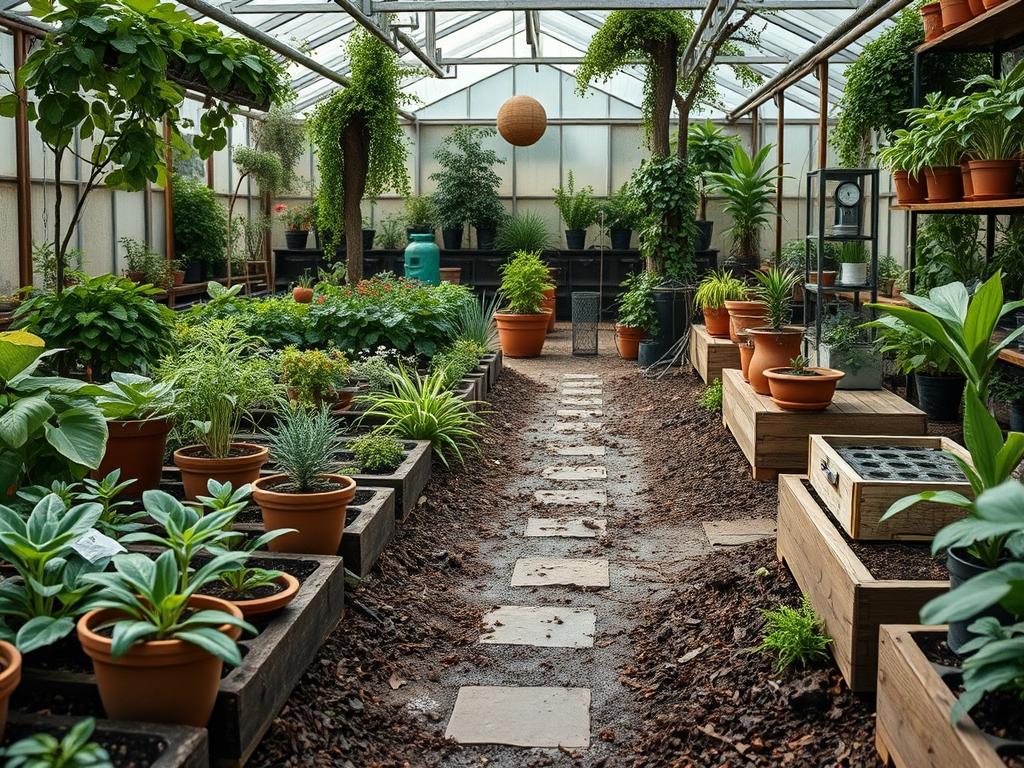
Landscape architecture has entered an era where aesthetic ambition must be reconciled with environmental responsibility. Designing a high performance outdoor environment requires more than just a keen eye for color and texture; it demands a rigorous integration of technology and biology. In regions facing volatile weather patterns, the traditional approach of manual watering or timer-based systems is no longer sufficient. Property owners now prioritize curb appeal that does not come at the cost of excessive water waste or labor-intensive upkeep. The modern consultant views the garden as a living ecosystem where Smart Irrigation Design Tech serves as the central nervous system, ensuring that every perennial, shrub, and canopy tree receives precisely what it needs to thrive. This transition toward precision horticulture transforms the landscape from a passive decorative element into a functional, sustainable asset that enhances property value and local biodiversity.
Landscape Design Principles
Effective landscape design begins with a hierarchical understanding of space. Symmetry and visual balance provide the structural framework, but these must be supported by invisible infrastructure. A successful site plan utilizes elevation layers to create depth; this means placing taller evergreens at the perimeter to define boundaries while using low-growing groundcovers to soften the edges of walkways. Focal points, such as a large granite boulder or a specimen tree like a Japanese Maple, should be positioned to draw the eye without disrupting the flow of the site.
Behind these visual elements lies the critical concept of hydrozoning. This principle involves grouping plants with similar water requirements into specific irrigation zones. By aligning your Smart Irrigation Design Tech with these zones, you prevent the common mistake of overwatering drought-tolerant succulents while under-watering moisture-loving ferns. Symmetry is not just about the placement of plants, but also the distribution of water. Visual balance is achieved when every zone looks equally vibrant, reflecting a system that adapts to the specific microclimates created by shadows, wind exposure, and soil type.
Plant and Material Selection
Selecting the right biological components is the most significant variable in determining the long-term success of the design. The following table outlines diverse species frequently used in modern professional landscapes, paired with their specific requirements.
| Plant Type | Sun Exposure | Soil Needs | Water Demand | Growth Speed | Maintenance Level |
| :— | :— | :— | :— | :— | :— |
| Lavender | Full Sun | Well-Drained | Low | Moderate | Low |
| Boxwood | Partial Shade | Loamy | Medium | Slow | High (Pruning) |
| Hostas | Full Shade | Organic/Moist | High | Fast | Low |
| Switchgrass | Full Sun | Sandy/Clay | Low | Fast | Minimal |
| Hydrangea | Partial Sun | Rich/Damp | High | Moderate | Medium |
| Blue Spruce | Full Sun | Acidic | Medium | Slow | Low |
In addition to plant life, the choice of hardscape materials like pavers, decomposed granite, and river rock dictates the drainage characteristics of the property. Using permeable materials allows rainwater to infiltrate the ground naturally, reducing the load on your smart system and preventing runoff.
Implementation Strategy
The transition from a blueprint to a functional garden requires a methodical approach to site preparation. The process begins with grading. Proper grading ensures that water flows away from the foundation of the home and toward designated drainage areas or rain gardens. Once the soil levels are established, installers should lay the primary lines for the Smart Irrigation Design Tech. This includes the installation of flow sensors and weather stations that feed real-time data to a central controller.
After the underground infrastructure is secure, define the garden beds using metal edging or stone borders. This prevents grass from encroaching on the planting zones and provides a clean line for the mulch application. Aim for a 3-inch depth of organic cedar mulch or triple-shredded hardwood. This layer is vital for moisture retention and temperature regulation.
In the final phase of planting, focus on the root ball. Ensure the hole is twice as wide as the root system but no deeper. Soil compaction is the enemy of growth; therefore, avoid treading heavily on the root zones during the installation. Once the plants are in the ground, calibrate the smart controller to run a “settling cycle” that removes air pockets from the soil and provides the initial hydration needed for the root systems to establish.
Common Landscaping Failures
The most frequent failure in high-end landscaping is the “set it and forget it” mentality regarding irrigation. Even the most advanced Smart Irrigation Design Tech requires initial calibration and periodic adjustments. Drainage mistakes are also prevalent; specifically, the failure to account for heavy rainfall can lead to “pooling,” which rots the roots of sensitive species.
Root overcrowding is another common pitfall. Designers often plant for immediate impact, forgetting that a 1-gallon shrub may eventually require a 5-foot diameter. This leads to competition for nutrients and water, eventually killing off the weaker plants. Furthermore, improper spacing prevents air circulation, which invites fungal diseases in humid climates. Finally, ignoring soil health leads to disaster. If the soil is too compacted, water will run off the surface rather than reaching the roots, regardless of how sophisticated your watering system is. Conduct a soil test before planting to determine if you need to amend the ground with compost or perlite to improve porosity.
Seasonal Maintenance
Maintaining a professional landscape is a year-round commitment that changes with the cycles of the sun. In Spring, the focus is on “awakening.” This involves clearing away winter debris, inspecting irrigation heads for cracks caused by freezing, and applying a pre-emergent herbicide. You should also check the batteries in your soil moisture sensors and update the software on your smart controller.
Summer demands vigilance. As temperatures rise, the Smart Irrigation Design Tech should automatically adjust for “evapotranspiration” rates. This is the time to monitor for signs of heat stress and ensure that mulch layers remain thick enough to protect roots from the scorching midday sun.
When Autumn arrives, the strategy shifts toward preparation. This is the ideal time for core aeration, which relieves soil compaction from summer foot traffic. Reduce the watering frequency as plants enter dormancy, but ensure they have adequate hydration before the first hard freeze.
In Winter, maintenance focuses on the protection of hardscapes and infrastructure. In colder climates, you must perform a “blow out” of the irrigation lines using an air compressor to prevent pipes from bursting. If you use retaining walls, inspect them for shifts caused by the freeze-thaw cycle. Pruning should be done for deciduous trees during this dormant stage to encourage vigorous growth in the spring.
Professional Landscaping FAQ
How does smart tech actually save water in a garden?
The system uses local weather data and soil moisture sensors to prevent watering during rain or when the soil is already saturated. This eliminates the “clock” method, ensuring water is only applied when the plant physiologically requires it.
What is the best way to prevent soil erosion on slopes?
Utilize retaining walls and deep-rooted native grasses to stabilize the earth. Use Smart Irrigation Design Tech with “cycle and soak” settings, which apply water in small bursts to prevent the liquid from running down the hill.
Which mulch is best for a professionally designed garden bed?
Triple-shredded hardwood mulch is the standard for longevity and nutrition. It stays in place better than large chips and breaks down over time, adding vital organic matter back into the soil while suppressing weed growth effectively.
How deep should my irrigation lines be buried?
Main lines are typically buried 12 to 18 inches deep, while lateral lines leading to individual heads are placed at 8 to 12 inches. This depth protects the pipes from aeration tools, shovels, and the pressure of surface traffic.
Can I integrate old irrigation systems with new smart tech?
Yes. Most modern smart controllers are backwards compatible with standard 24V solenoid valves. You can often replace the old “dumb” clock with a smart unit and add wireless sensors without digging up the existing pipe infrastructure.