
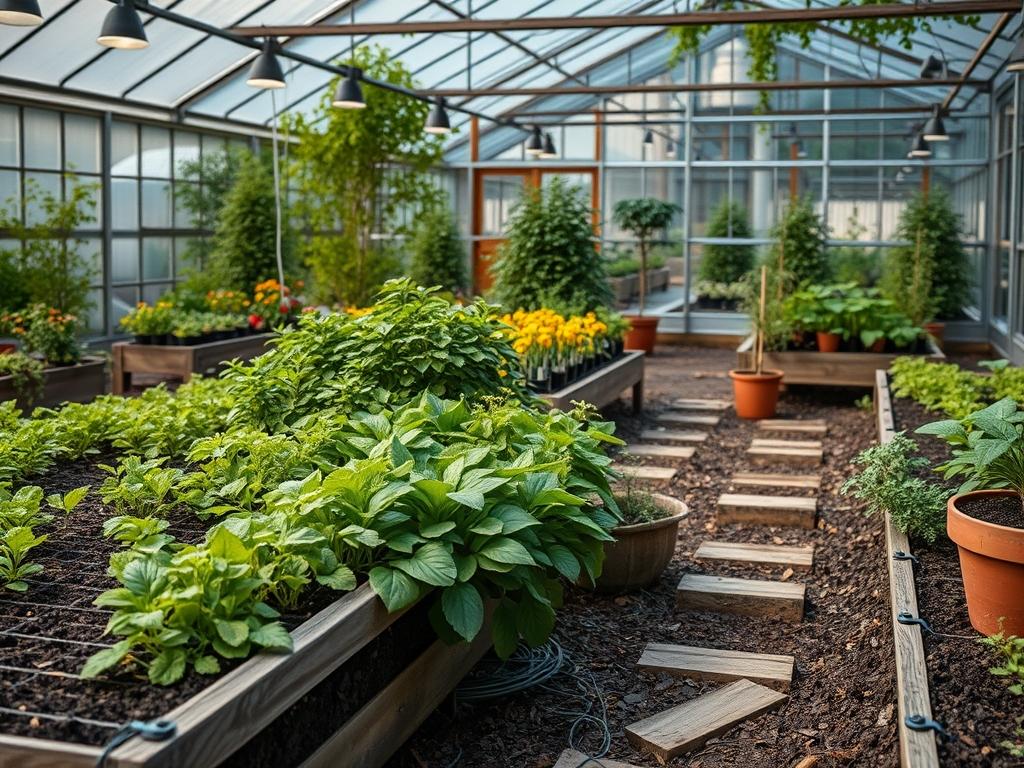
Crafting a sophisticated landscape requires a delicate balance between organic growth and architectural precision. While traditional garden design focuses on the daylight hours, the modern outdoor environment must transition seamlessly into a functional nightscape. Achieving this shift involves more than just scattered fixtures; it demands an integrated approach where the landscape architect views light as a structural element. Smart technology has revolutionized this process, allowing homeowners to modify the atmosphere of their property with a single tap. By focusing on smart outdoor lighting scenes, we can extend the utility of outdoor living spaces, enhance security, and highlight the intricate textures of carefully curated plant life. This transformation begins with a deep understanding of how light interacts with shadows, moisture, and the changing seasons, ensuring the property maintains its curb appeal long after the sun sets.
Landscape Design Principles
Effective lighting design mirrors the fundamental principles of classical landscaping. Symmetry remains a powerful tool, particularly when framing a grand entrance or a formal garden path. By placing identical LED path lights at 6 foot intervals, you create a sense of rhythm that guides the eye toward a primary focal point, such as a water feature or a specimen tree. Visual balance is equally critical; if one side of the yard is heavily illuminated while the other remains in total darkness, the property feels disjointed and uninviting. Architects often use a technique called layering to prevent this. This involves placing lights at different elevations, including Well lights for ground-level texture, Bullet lights for mid-level shrubbery, and Downlights mounted in the canopy of large trees to simulate natural moonlight.
Elevation play adds a three-dimensional quality to the landscape. When a designer works with a sloped terrain, smart scenes can be programmed to highlight Retaining walls and stone steps, providing both safety and dramatic shadows. It is also essential to integrate lighting with your Irrigation planning. Wiring must be routed away from Drip emitters and high-moisture zones to prevent electrical interference or corrosion. Furthermore, walkways should be treated as more than just functional transit routes. A well-designed path uses warm light to emphasize the transition between different garden “rooms,” using varied intensity to signal a shift from a social patio area to a quiet, secluded meditation corner.
Plant and Material Selection
The success of your lighting scenes depends heavily on the materials they illuminate. Certain foliage captures and reflects light brilliantly, while darker, matte leaves tend to absorb it.
| Plant Type | Sun Exposure | Soil Needs | Water Demand | Growth Speed | Maintenance Level |
| :— | :— | :— | :— | :— | :— |
| Japanese Maple | Partial Sun | Well-drained, Acidic | Moderate | Slow | Medium |
| Silver Falls Dichondra | Full Sun | Sandy, Loam | Low | Fast | Low |
| Boxwood Hedge | Full to Partial Sun | Neutral, Moist | Moderate | Medium | High |
| Fountain Grass | Full Sun | Adaptive | Low | Fast | Low |
| Hydrangea Macrophylla| Partial Shade | Rich, Porous | High | Fast | Medium |
| Agave Americana | Full Sun | Rocky, Dry | Very Low | Slow | Low |
For lighting purposes, the Japanese Maple is a premier choice because its intricate branch structure creates stunning skeletal shadows in the winter. Conversely, the Silver Falls Dichondra acts like a reflective carpet, catching low-level light and glowing softly under the moon. When selecting Hardscaping materials, consider using Light-colored pavers or Crushed granite for paths, as these surfaces bounce light back up into the canopy, reducing the number of fixtures required to achieve a bright aesthetic.
Implementation Strategy
The implementation phase begins with a Comprehensive Site Analysis. Before any trenches are dug, you must evaluate the Grading of the property. Poor drainage is the primary enemy of electrical systems. Ensure that all low-voltage lines are buried at least 6 inches deep and follow the natural contours of the land to avoid pooling water. When setting up smart outdoor lighting scenes, the first step is the installation of a Smart Bridge or Mesh Network Hub. This device links your smartphone to the Transformers, which convert standard household current into safe 12V or 15V power.
Once the hardware is in place, focus on the Edging. Define the boundaries of your garden beds with Steel edging or Belgian block to keep Mulch from washing over your Step lights. Apply a 3 inch layer of Hardwood mulch to protect the root systems of your plants and provide a clean, dark background that makes the illuminated foliage pop. In your mobile application, group your fixtures into logical zones. A “Dinner Party” scene might dim the Floodlights and brighten the String lights over the pergola. An “Enhanced Security” scene could activate all Perimeter lights and Motion-sensitive spotlights to full intensity. The goal is to create a library of pre-set configurations that correspond to your lifestyle.
Common Landscaping Failures
One of the most frequent mistakes in professional landscaping is the neglect of proper Drainage. If water sits around the base of an Up-light, the seal will eventually fail, leading to short circuits and frequent bulb replacements. Soil compaction is another silent killer of both plants and lighting efficiency. When heavy machinery is used during construction, the soil becomes too dense for roots to breathe or for wires to be buried easily. Using an Aerator or adding Organic compost can help restore soil health and facilitate easier installation.
Root overcrowding is a long-term failure that often goes unnoticed. If you plant a Magnolia too close to a buried cable, the growing root system may eventually crush or sever the line. Always consult the mature spread of a plant species before finalizing your layout. Additionally, “Light Spill” is a common aesthetic failure. This occurs when fixtures are aimed poorly, shining light directly into the eyes of guests or into the neighboring property. Using Shrouds or Glaring guards on your fixtures ensures the light is directed exactly where it belongs, preserving the dark sky and maintaining a professional appearance.
Seasonal Maintenance
A landscape is a living entity that requires consistent management to remain vibrant. In the Spring, your primary goal is to inspect all fixtures for damage caused by winter frost heaves. Clean the glass lenses with a soft cloth and a Vinegar-based solution to remove mineral deposits left by the Irrigation system. Trim back any aggressive spring growth that might be obstructing the light beam.
As Summer arrives, adjust your smart scenes to account for the later sunset times. Increase the frequency of your Irrigation to compensate for higher evaporation rates, but ensure that your Rain sensors are working so the lights and water do not operate simultaneously during a storm. In Autumn, the focus shifts to debris management. Fallen leaves can pile up on top of In-grade lights, creating a fire hazard or simply blocking the illumination. Regularly clear the area and check the Mulch depth to ensure it hasn’t thinned out. Finally, during the Winter, modify your smart scenes to create a warmer color temperature. Cooler lights can make a snowy landscape look bleak, while a shift toward a 2700K temperature provides a cozy, inviting glow that counters the cold.
Professional Landscaping FAQ
How do I choose the right color temperature?
For most residential landscapes, a warm white between 2700K and 3000K is ideal. This range highlights the natural greens and browns of the foliage without looking clinical. Cooler blues should be reserved for high-contrast architectural features or moonlighting effects.
Can I integrate my lighting with other smart home devices?
Yes, most professional smart lighting systems can be linked to your Smart hub or home automation platform. This allows you to sync your garden lights with your security cameras, smart locks, or even your indoor entertainment system.
What is the best way to hide exterior wiring?
Wiring should be buried at a depth of 6 to 12 inches within a PVC conduit in high-traffic areas. In garden beds, use Landscape staples to secure the wire before covering it with a thick layer of Wood mulch.
Are LED lights better than halogen for outdoor use?
LED fixtures are superior due to their longevity and energy efficiency. They produce very little heat, which is safer for nearby plants, and they offer a wider variety of beam angles and colors for custom smart scenes.
How do I prevent my lights from attracting insects?
Insects are primarily attracted to UV light and heat. By using LED bulbs with a warmer spectral output and keeping the lights dimmed to the necessary levels, you can significantly reduce the number of pests drawn to your patio.