
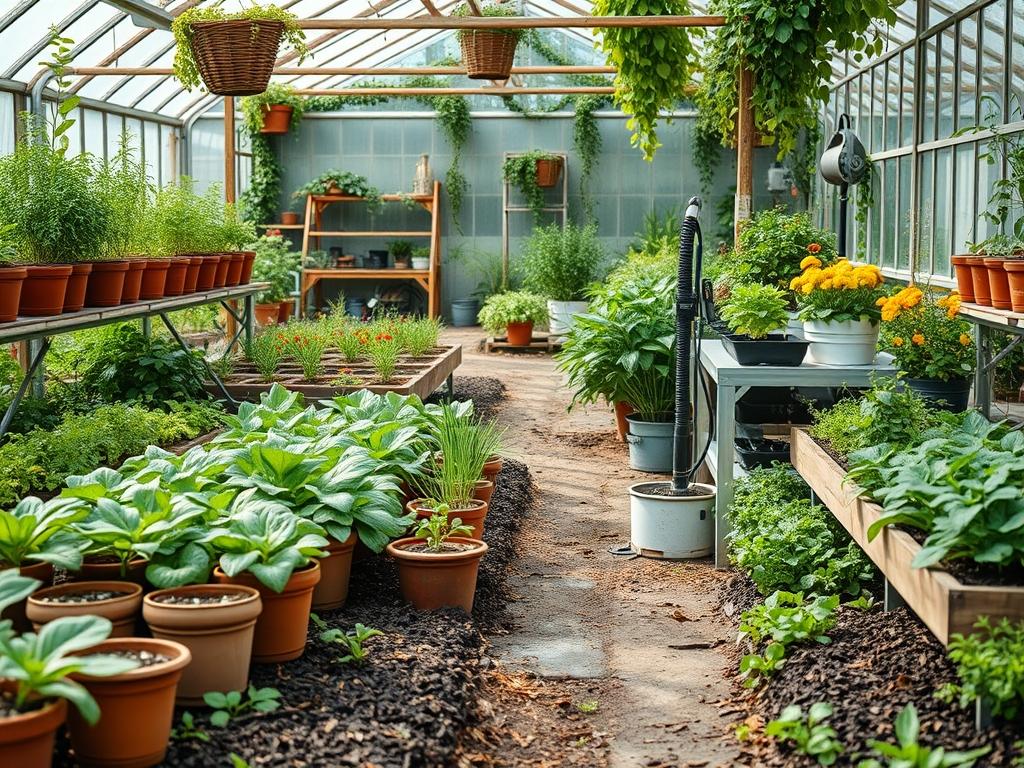
The constant battle against invasive species often defines the success or failure of a professional landscape design. While a project might look pristine upon completion, the encroaching reality of spontaneous growth can quickly degrade the intended aesthetic. Traditional weed control relies heavily on broad spectrum herbicides or labor intensive manual removal, both of which have significant drawbacks. Today, the integration of AI-Powered Weed Recognition is transforming how we manage these outdoor spaces, offering a precision based approach that protects carefully selected flora while neutralizing threats at the seedling stage. This shift ensures that the architectural intent of the yard remains intact through varying climate cycles and seasonal shifts. As an outdoor environment consultant, I see this shift not just as a technological novelty, but as a foundational change in how we preserve curb appeal and functional outdoor living zones.
Achieving a high end landscape requires more than just planting a few trees. It involves a deep understanding of site specific variables such as drainage, soil composition, and solar orientation. When we incorporate AI-Powered Weed Recognition into a maintenance plan, we allow the design to mature as intended without the competition of aggressive weeds for vital nutrients and water. This technology uses high resolution cameras and machine learning algorithms to distinguish between a fescue blade and a young crabgrass shoot. By identifying these differences with mathematical certainty, homeowners and property managers can apply targeted interventions. This level of accuracy is essential for maintaining the intricate balance of a master planned garden where every plant has a specific role in the overall composition.
Landscape Design Principles
Professional landscape design relies on several core principles to create a cohesive and inviting environment. Symmetry and visual balance provide a sense of order, guiding the eye through the space. We often use focal points, such as a large specimen tree or a custom stone water feature, to anchor the view. Surrounding these anchors, we build elevation layers. This involves placing taller plants in the background and shorter, more delicate species in the foreground. This layering creates depth and mimics the natural structure of a forest edge or meadow.
The integration of walkways and retaining walls provides the necessary structure for these layers. A well designed walkway does more than connect two points; it defines the boundaries of different garden rooms. When using AI-Powered Weed Recognition in such structured environments, the technology helps maintain the clean lines of these hardscape boundaries. It prevents weeds from disrupting the polymeric sand joints in pavers or the gaps in a dry stack stone wall. Furthermore, irrigation planning must be precise. Overwatering often encourages weed growth in areas where the intended plants cannot absorb the excess. By aligning the maintenance technology with the drip irrigation zones, we create an environment where the desired plants thrive and the unwanted ones are quickly identified and removed.
Plant and Material Selection
Choosing the right materials and plants is the bridge between a conceptual drawing and a living reality. The following table highlights common selections for a modern, low maintenance landscape that pairs well with advanced recognition technologies.
| Plant Type | Sun Exposure | Soil Needs | Water Demand | Growth Speed | Maintenance Level |
| :— | :— | :— | :— | :— | :— |
| Boxwood | Full to Part Sun | Well-drained | Moderate | Slow | Medium |
| Lavender | Full Sun | Sandy/Gravelly | Low | Medium | Low |
| Serviceberry | Part Shade | Loamy/Moist | Moderate | Medium | Low |
| Japanese Maple | Part Shade | Slightly Acidic | Moderate | Slow | High |
| Blue Star Creeper | Full to Part Sun | Rich/Moist | Moderate | Fast | Medium |
| Switchgrass | Full Sun | Adaptable | Low | Fast | Low |
| Coneflower | Full Sun | Well-drained | Low | Medium | Low |
For hardscaping, we recommend using geotextile fabric beneath a 3 inch layer of mulch or gravel. This provides a physical barrier, while the AI-Powered Weed Recognition systems handle any seeds that manage to germinate on top of the organic matter. Using native plants is another strategic choice. These species are adapted to local rainfall patterns and soil types, reducing the need for chemical fertilizers that can otherwise fuel weed outbreaks.
Implementation Strategy
Building a landscape requires a methodical approach to ensure longevity. The process begins with grading. Proper grading ensures that water flows away from the home foundation and toward designated drainage basins or French drains. Once the subgrade is established, we install the heavy bones of the garden, including boulders, retaining walls, and large utility conduits for lighting and irrigation.
Next, we establish the edging. Whether using steel edging, paver borders, or cobblestone, the edge serves as a critical containment line between the lawn and the planting beds. After the plants are positioned according to the design plan, we install the irrigation lines. In the modern era, these lines are often connected to smart controllers that can receive data from the same AI systems used for weed identification. Finally, we apply a consistent layer of shredded hardwood mulch or pine bark. This finish not only retains moisture but also provides a high contrast background that makes it easier for AI sensors to detect emerging weeds. If the software detects a cluster of invasive species, it can trigger a notification for manual removal or activate a localized, precision spray mechanism that uses a fraction of the herbicide required by traditional methods.
Common Landscaping Failures
Many landscapes fail because basic horticultural and engineering principles are ignored during the honeymoon phase of planting. Drainage mistakes are the most common. If water pools around the root ball of an Evergreen, the plant will suffer from root rot, leaving an opening in the canopy for weeds to take over. Soil compaction is another silent killer. During construction, heavy machinery can crush the pore spaces in the soil, preventing air and water from reaching the roots. We recommend using an aerator or deep tilling with organic compost to remediate these areas before planting.
Root overcrowding occurs when a designer fails to account for the mature size of a plant. A small spruce may look appropriate today, but in ten years, it could grow to 20 feet wide, smothering everything in its path. Improper spacing creates stagnant air pockets, which lead to fungal diseases. Furthermore, irrigation inefficiencies often result from “set it and forget it” timers. Overwatering creates the perfect humid microclimate for weeds like nutsedge and moss. By utilizing AI-Powered Weed Recognition, we can identify these moisture loving weeds early, which often serves as a primary indicator that the smart irrigation system needs calibration or that a PVC pipe has developed a leak.
Seasonal Maintenance
Landscape management is a year round commitment that changes with the tilt of the earth.
Spring: This is the season of resurgence. Focus on cleaning out dead debris and applying a fresh 2 inch layer of mulch. It is also the time to calibrate AI-Powered Weed Recognition sensors as the first flush of spring weeds, like dandelions, begins to appear. Ensure that the backflow preventer on the irrigation system is functioning and that all nozzles are clear.
Summer: The heat of July and August puts maximum stress on the landscape. Monitor for signs of wilt and adjust the drip emitters as needed. This is the peak period for weed growth, so increasing the frequency of AI scanning cycles is beneficial. Proper deadheading of flowers will encourage a second bloom and keep the garden looking vibrant.
Autumn: As growth slows, the focus shifts to preparation. This is the ideal time for overseeding the lawn with tall fescue or Kentucky bluegrass. Clean out gutters and ensure that downspouts are clear to prevent winter ice damming from affecting the nearby landscape beds. Turn off and blow out the irrigation lines before the first hard freeze.
Winter: While the garden is dormant, the structural elements take center stage. Use this time to prune deciduous trees and inspect stone walls for any shifting. It is also an excellent time to review the data collected by your AI systems throughout the year to plan adjustments for the coming spring, such as identifying recurring “hot spots” for invasive species.
Professional Landscaping FAQ
How does AI-Powered Weed Recognition save money?
Precision is the primary driver of cost savings. By targeting only the weeds, you significantly reduce the volume of herbicides purchased. This technology also lowers labor costs by automating the scouting process, allowing crews to focus on skilled tasks rather than searching for weeds.
Will AI sensors damage my expensive ornamental plants?
No, the systems are trained on massive datasets to recognize specific cultivars. They act as a digital shield, identifying the physical characteristics of your Hydrangeas or Roses and ensuring that any removal action is strictly limited to the invasive species surrounding them.
Is this technology suitable for large residential estates?
Automated scouting and removal are exceptionally effective for larger properties where manual inspection is impossible. It ensures consistent maintenance across several acres, maintaining a uniform appearance that would otherwise require a full time gardening staff to achieve manually.
Does mulch interfere with weed recognition sensors?
Mulch actually improves the performance of AI vision. The dark, uniform texture of dark brown mulch provides a high contrast backdrop. This makes it much easier for the sensors to identify the green pigments of an emerging weed, increasing detection accuracy.
Can I integrate this with my existing smart home system?
Most professional grade AI maintenance tools offer cloud connectivity. You can receive real time updates on your smartphone regarding soil health, weed pressure, and plant growth, allowing you to manage your landscape with the same precision as your home climate.