
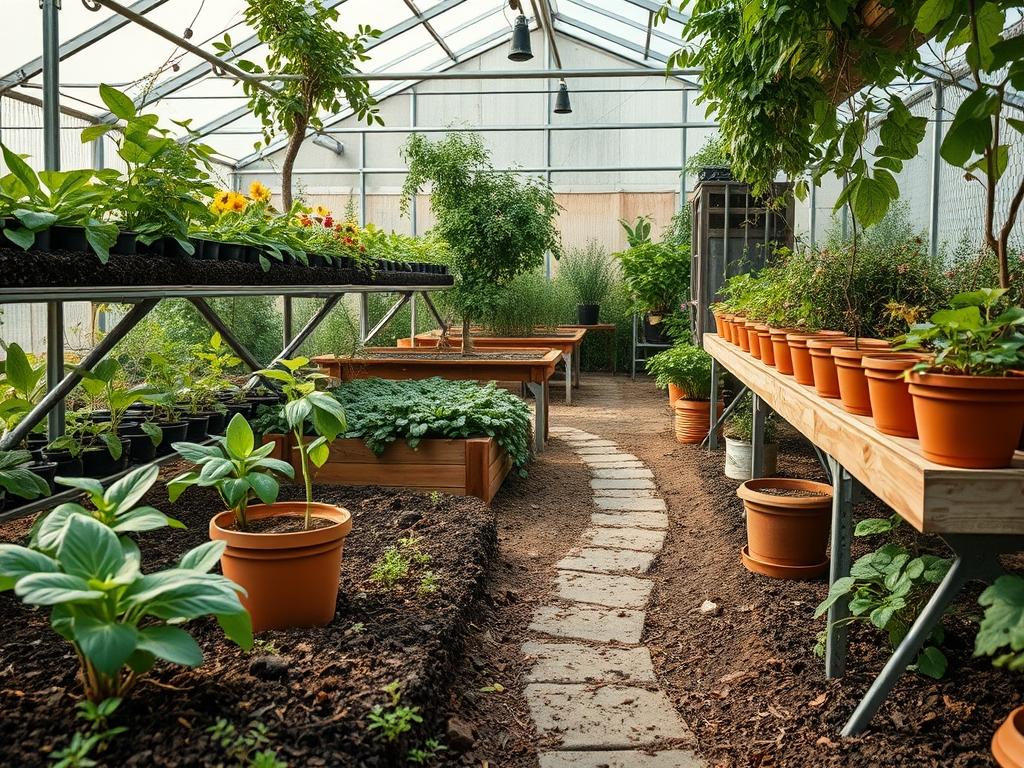
Landscape architecture integrates living elements with structural permanence. A smart garden light setup acts as the nervous system of the modern backyard, ensuring the transition from dusk to night is seamless. It demands a holistic understanding of how light interacts with living textures, architectural lines, and changing weather conditions. A well-executed plan enhances curb appeal while extending the usable hours of an outdoor living space. Lighting must serve as a guide for movement, a spotlight for focal points, and a subtle layer of security. Without a proper strategy, even the most expensive smart hardware can feel disjointed or cluttered. Professional landscapes depend on the interplay between shadow and illumination. This creates a three-dimensional experience that traditional, static lighting cannot match.
Smart systems offer precision control over color temperature, brightness, and scheduling. This flexibility allows a homeowner to adjust the ambiance based on the season or the occasion. In a professional consultant capacity, I prioritize the marriage of durability and technology. The environment is harsh. Moisture, soil acidity, and temperature fluctuations constantly test the integrity of your equipment. Therefore, the planning phase is the most critical part of the process. We must account for the growth of plants over a ten-year horizon. A light that perfectly illuminates a sapling today will be buried in foliage within three seasons. Success in this field requires a balance of horticultural knowledge and electrical engineering.
Landscape Design Principles
Symmetry and balance form the foundation of an effective smart garden light setup. When we design for high-end properties, we look at the landscape as a series of layers. The first layer is the ground plane. This includes walkways, low-lying flower beds, and the edges of water features. We use low-voltage path lights to define these boundaries. However, avoids the runway effect by staggering the lights rather than placing them in perfectly straight, opposing lines. This creates a more natural, rhythmic flow that guides the eye through the space. Symmetry does not mean identical placement on both sides. Instead, it refers to a balanced visual weight.
Focal points are the second layer. Every garden needs a protagonist. This might be a Japanese Maple, a stone sculpture, or a bespoke retaining wall. Smart spotlights allow us to use “uplighting” to emphasize the structural beauty of these features. By using a smart controller, you can dim these focal points to 50 percent during quiet weeknights or boost them to 100 percent for evening gatherings. Elevation is another key principle. We often employ “moonlighting” techniques. This involves placing fixtures high up in the canopy of large deciduous trees and directing the beam downward through the branches. The result is a dappled shadow pattern on the ground that mimics natural moonlight.
Irrigation planning must happen concurrently with lighting design. Water and electricity are natural enemies. I always recommend mapping out irrigation lines and sprinkler heads before a single trench is dug for lighting. If the smart light setup is an afterthought, you risk puncturing water lines or placing expensive electronics directly under a high-pressure spray head. Visual balance also dictates the use of “negative space.” Not every corner of the yard needs to be lit. Darkness allows the illuminated features to pop. We use the smart app to create “zones.” Zone A might be the high-traffic patio, while Zone B is the quiet perimeter. This zoning allows for energy efficiency and targeted atmospheric control.
Plant and Material Selection
Specific plant species react differently to artificial light. Texture is the primary consideration. Plants with large, glossy leaves reflect light sharply, while needle-like foliage or ornamental grasses diffuse it. When selecting materials for the hardscape, consider the reflective index of the stone or wood. Dark slate consumes light, requiring more lumens to achieve visibility. Light limestone or travertine reflects light, allowing you to use lower-wattage bulbs.
| Plant Type | Sun Exposure | Soil Needs | Water Demand | Growth Speed | Maintenance Level |
| :— | :— | :— | :— | :— | :— |
| Boxwood | Full Sun/Part Shade | Well-drained | Moderate | Slow | High (Pruning) |
| Japanese Maple | Part Shade | Acidic/Rich | High | Moderate | Low |
| Lavender | Full Sun | Sandy/Dry | Low | Moderate | Medium |
| Hostas | Full Shade | Moist/Loam | High | Fast | Low |
| Switchgrass | Full Sun | Adaptable | Low | Fast | Very Low |
| Hydrangea | Part Shade | Rich/Moist | High | Fast | Medium |
Choosing the right hardware is just as vital as the plants. I recommend solid brass or copper fixtures over plastic or aluminum. Brass develops a natural patina over time that blends into the landscape. It also resists the corrosive effects of fertilizers and salt. For the smart components, ensure the bridge or hub is rated for outdoor use or housed in a weatherproof NEMA enclosure. Use 12-gauge or 10-gauge low-voltage wire to prevent voltage drop over long runs. If the wire is too thin, the lights at the end of the chain will appear dimmer than those closest to the transformer.
Implementation Strategy
The actual installation begins with a site survey and grading. You must ensure the ground slopes away from the home and the main electrical components. Proper drainage prevents the smart controllers from being submerged during heavy rain. Start by marking the locations of all fixtures using small flags. This allows you to visualize the layout before any digging begins. Once the layout is confirmed, use a manual lawn edger or a trenching spade to create a 6-inch deep channel for the cables. While the National Electrical Code is more lenient for low-voltage lines, burying them at this depth protects them from aeration equipment and curious wildlife.
When you reach a walkway, you may need to use a hammer drill with a long masonry bit to “bore” a hole beneath the pavers. Alternatively, use a high-pressure water jet to wash out a small tunnel for a PVC conduit. This conduit protects the wire from being crushed by the weight of the stone. After the wires are pulled, connect them to the smart transformer. I prefer units that offer Wi-Fi or Bluetooth connectivity directly to a smartphone app. This eliminates the need for old-fashioned mechanical timers that fail during power outages.
Next, focus on the edging and mulch. Apply a 3-inch layer of shredded hardwood mulch or pine bark over the soil. This layer serves two purposes. It retains moisture for the plants and hides the black cables leading to the fixtures. Ensure the mulch does not touch the actual lens of the light, as this can cause overheating or fire hazards. Finally, perform a “night aim.” Wait until total darkness to fine-tune the angle of each spotlight. Small adjustments of just an inch can change how a tree is rendered against the night sky.
Common Landscaping Failures
The most frequent error I see in professional consulting is poor drainage management. If a light fixture is placed in a “bowl” in the topography, it will eventually fill with silt and water. This leads to the corrosion of the LED socket and the failure of the smart chip. Another major issue is root overcrowding. Ambitious gardeners often place lights too close to the root flare of a young tree. As the tree grows, the expanding trunk can literally swallow the fixture or snap the connecting wire. Always leave a 12-inch buffer for growth.
Improper spacing is the third failure point. Many DIY setups suffer from “hot spots” where too many lights are clustered together. This washes out the texture of the plants and creates a glaring, uncomfortable environment. Conversely, placing lights too far apart creates scary “black holes” in the yard. Soil compaction is often overlooked. If you use heavy equipment to move soil or stone after the lights are installed, you will likely crush the buried lines or shift the fixtures out of alignment. Always install your smart garden light setup as one of the final steps in the construction process. Finally, avoid over-reliance on solar-powered units. For a truly professional smart garden light setup, hardwired low-voltage systems are the only way to ensure consistent performance and app-based reliability.
Seasonal Maintenance
Landscape management is a year-round commitment. In the spring, your primary task is cleaning the lenses. Mineral deposits from irrigation water can cloud the glass, reducing the lumen output significantly. Use a mixture of vinegar and water to clear the scale. This is also the time to check for any “frost heave” where the winter freeze cycles have pushed fixtures out of the ground. Simply push them back to their original depth and ensure the soil is packed firmly.
Summer maintenance involves pruning. Fast-growing species like Switchgrass or Hydrangeas can quickly obscure your path lights. Keep a clear “sightline” for every fixture. In the autumn, the focus shifts to leaf debris. Wet leaves piled on top of a fixture can trap heat and shorten the life of the LED driver. Use a leaf blower or rake to keep the area around each light clear. Winter is the toughest season for a smart garden light setup. If you live in a climate with heavy snow, use tall markers so you do not accidentally hit the fixtures with a snow shovel or plow. Check the weatherproof seals on your transformer box to ensure no moisture from melting snow has entered the electronics.
Professional Landscaping FAQ
Why should I choose low-voltage over line-voltage?
Low-voltage systems operating at 12V or 24V are safer for residential use. They are easier to install and do not require deep conduit burial. Most modern smart garden light setup controllers are designed specifically for these low-voltage configurations.
Can I integrate my lighting with local weather data?
Yes. Professional smart controllers use Hyperlocal Weather data to adjust schedules. If the app detects an early sunset due to a storm or seasonal shift, it can trigger the system to turn on earlier for safety.
How many lights can run on one transformer?
This depends on the total wattage of the fixtures and the VA rating of the transformer. To ensure longevity, professional architects recommend utilizing only 80 percent of the transformer capacity to allow for future expansion and voltage surges.
What is the best way to extend Wi-Fi to the backyard?
A smart garden light setup requires a stable signal. Use an outdoor-rated Wi-Fi extender or a Mesh Node placed inside a window facing the garden. This ensures the smart hubs can communicate with your home network without interruption.
How do I prevent light pollution?
Select fixtures with shrouds or glare guards. These attachments direct light exactly where it is needed, preventing “sky glow.” This practice respects the neighbors and protects the natural circadian rhythms of local nocturnal wildlife and birds.