
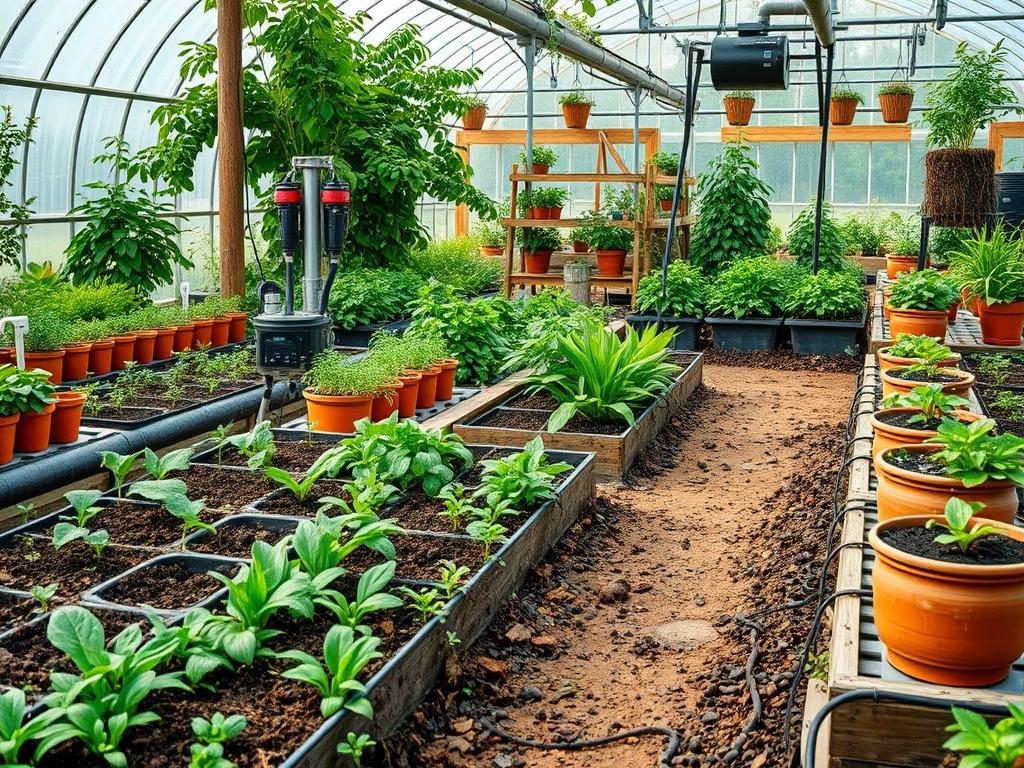
Effective landscape architecture today demands a synthesis of aesthetic ambition and technological precision. When designing high-end outdoor environments, the primary challenge is no longer just the selection of ornamental flora but the long-term sustainability of the ecosystem. The modern estate requires a delicate balance between curb appeal and resource management. Climate considerations, such as increasing periods of drought followed by intense precipitation, have made traditional irrigation methods obsolete. A sophisticated property now relies on Smart Irrigation Flow Logic to ensure that every drop of water is accounted for and delivered with surgical accuracy. This logic integrates real-time weather data, soil moisture sensors, and hydraulic flow calculations to prevent the wasteful runoff that often plagues less advanced systems. By prioritizing functional hydrology alongside visual design, a landscape architect creates a space that thrives through seasonal extremes while maintaining a pristine, luxurious appearance that enhances property value and outdoor functionality.
Landscape Design Principles
Great design begins with a clear understanding of symmetry and visual weight. In high-end residential projects, we often utilize focal points like custom stone masonry or large specimen trees to anchor the viewer’s gaze. However, the true success of a layout lies in its elevation layers. By using retaining walls and tiered planting beds, we create a sense of architectural depth. These changes in elevation are not merely aesthetic; they serve as critical components in managing surface water. Smart Irrigation Flow Logic must account for these vertical changes, as water pressure fluctuates based on the height of the emitters relative to the master valve and pump station. A failure to calculate friction loss in high-elevation zones can lead to uneven coverage, leaving higher tiers parched while lower areas become swampy.
Walkways and hardscaping elements provide the skeletal structure of the garden. We design these paths to guide movement through the space, often using porous pavers or natural flagstone to allow for natural infiltration. The relationship between these hard surfaces and the softscape is where Smart Irrigation Flow Logic becomes most vital. The system must be programmed to recognize the different evaporation rates of plants situated next to heat-absorbing stone compared to those in shaded, recessed areas. Achieving visual balance requires that every plant, from the tallest Evergreen Screen to the lowest Groundcover, appears consistently healthy. This uniformity is only possible when the irrigation zones are mapped precisely to the specific microclimates created by the landscape’s structural elements.
Plant and Material Selection
The selection of plant material is the most visible expression of the design intent. We prioritize species that offer multi-seasonal interest but also group them based on their hydro-zones. This grouping is fundamental to the efficiency of the flow logic system.
| Plant Type | Sun Exposure | Soil Needs | Water Demand | Growth Speed | Maintenance Level |
| :— | :— | :— | :— | :— | :— |
| English Boxwood | Full Sun to Part Shade | Well-drained Loam | Moderate | Slow | High (Pruning) |
| Japanese Maple | Dappled Shade | Acidic, Rich | Moderate | Medium | Medium (Structural) |
| Lavender | Full Sun | Sandy, Alkaline | Low | Fast | Low (Deadheading) |
| Tall Fescue | Full Sun to Shade | Various | High | Fast | High (Mowing) |
| Hydrangea | Part Shade | Consistently Moist | High | Fast | Medium (Watering) |
| Blue Star Creeper | Full Sun to Part Shade | Moist/Well-drained | Moderate | Fast | Low (Minimal) |
When selecting materials like mulch, we opt for double-shredded hardwood at a depth of 3 inches. This thickness is optimal for moisture retention and weed suppression without suffocating the root systems. For the topsoil, a blend of 60% loam, 25% compost, and 15% sand provides the ideal structure for root penetration and nutrient exchange.
Implementation Strategy
The implementation phase begins with professional grading. We ensure that the ground slopes away from all structures at a minimum of 2 percent to prevent basement flooding and foundation damage. Once the grade is established, we install the primary drainage infrastructure, including French drains and catch basins, to handle heavy storm runoff. The next step is the installation of the Smart Irrigation Flow Logic hardware. This includes the flow sensor, which monitors the gallons per minute moving through the pipes. If the sensor detects a flow rate that exceeds the programmed threshold, indicating a broken lateral line or a snapped spray head, the logic automatically shuts down the affected zone to prevent erosion and water waste.
Following the irrigation mainline, we install the hardscaping. Using compacted gravel and bedding sand ensures that patios and paths remain level for decades. Once the “heavy” work is complete, we move to planting. We mark out the locations for each species, ensuring that we respect the mature width of the plants to avoid overcrowding. Edging is then installed to create clean, crisp lines between turf areas and planting beds. Finally, a layer of organic mulch is applied, and the Smart Controller is calibrated. This calibration involves inputting the specific plant types, soil conditions, and sun exposure for each zone so the logic can calculate the precise Evapotranspiration (ET) rates.
Common Landscaping Failures
The most frequent error in professional landscaping is the neglect of subsurface drainage. Even the most expensive Smart Irrigation Flow Logic cannot save a garden if the roots are sitting in an anaerobic, waterlogged environment. Poorly planned grading often results in standing water that drowns expensive specimen trees. Another common failure is improper plant spacing. Designers often plant for “instant impact,” placing shrubs too close together. Within three years, these plants begin to compete for light and nutrients, leading to root overcrowding and a decline in overall health.
Soil compaction is another silent killer. During construction, heavy machinery compresses the earth, destroying the pore spaces required for air and water movement. If the soil is not properly aerated before planting, even the most frequent irrigation will result in runoff rather than absorption. Finally, many systems suffer from irrigation inefficiencies caused by mismatched nozzle types. Mixing rotors and fixed sprays in a single zone creates uneven distribution, as different heads deliver water at vastly different rates. This confuses the Smart Irrigation Flow Logic and leads to dry patches or over-saturated zones.
Seasonal Maintenance
Landscape management is a year-round commitment. In the spring, the focus is on rejuvenation. We perform core aeration on turf areas to combat compaction and apply a pre-emergent herbicide to prevent weed germination. This is also the time to test the flow logic by running a diagnostic cycle on the irrigation system to check for winter damage. Summer requirements center on moisture management. During heat waves, we adjust the Smart Irrigation Flow Logic to provide deeper, less frequent watering cycles, which encourages roots to grow deeper into the cooler soil.
Autumn is the season for soil replenishment. We add organic compost to the beds and plant new perennials while the soil is still warm. It is also critical to prune any dead or diseased wood before the winter sets in. As winter approaches, the most vital task is the winterization of the irrigation system. We use an air compressor to blow out all water from the PVC piping and valves. This prevents the destructive expansion of freezing water, which can shatter pipes and damage the sensitive flow sensors that are the heart of the smart system.
Professional Landscaping FAQ
How does Smart Irrigation Flow Logic detect leaks?
The system uses a flow sensor to monitor real-time water movement. If the flow rate exceeds the programmed baseline for a specific zone, the controller recognizes a potential rupture and immediately closes the master valve to prevent property damage and water loss.
What is the ideal thickness for mulch in planting beds?
A depth of 3 inches is the industry standard. This thickness provides sufficient insulation for the roots and effectively suppresses weed growth while still allowing oxygen and water to reach the soil surface. Excessive depth, however, can lead to root rot.
Why are native plants preferred in high-end designs?
Native plants are evolutionarily adapted to the local climate and soil conditions. They typically require less supplemental water and fewer chemical inputs, making them a sustainable choice that works in harmony with Smart Irrigation Flow Logic to reduce long-term maintenance costs.
Can I mix different plant types in the same irrigation zone?
It is not recommended. Different plants have varying transpiration rates. Grouping high-water plants like Hydrangeas with low-water plants like Lavender leads to one being overwatered or the other being parched. Hydro-zoning is essential for irrigation efficiency.
What is the primary benefit of a French drain?
A French drain redirects sub-surface water away from the foundation or low spots in the yard. By using a perforated pipe surrounded by gravel and filter fabric, it collects and moves groundwater efficiently to a designated discharge point or rain garden.