
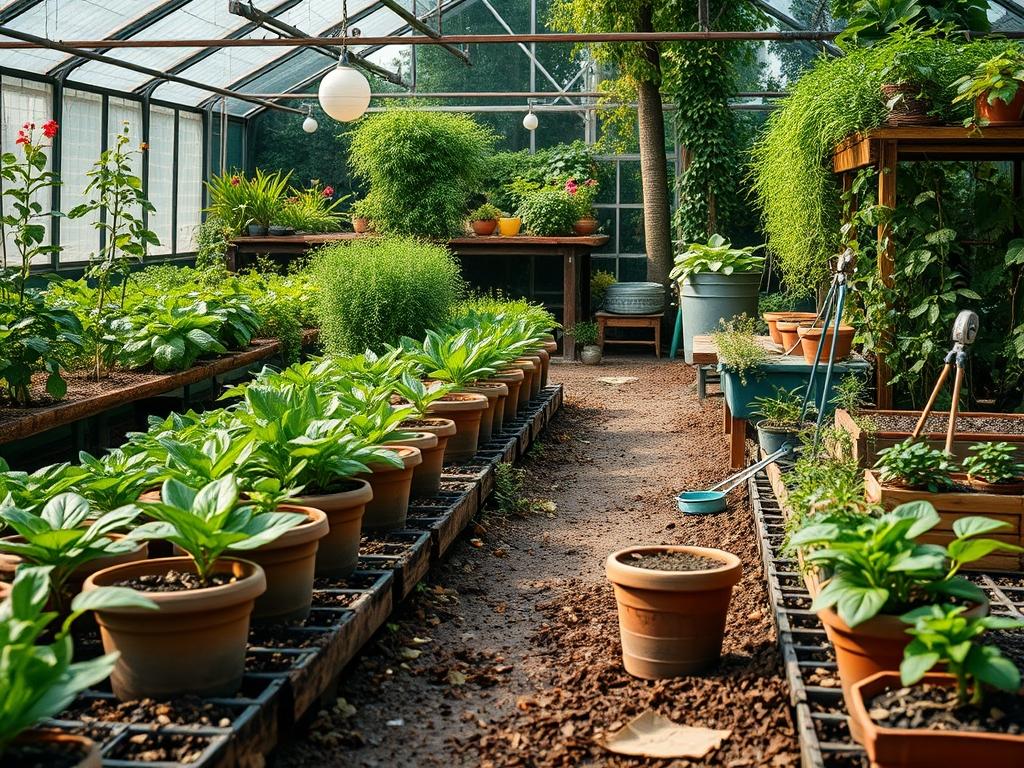
The transition from traditional mechanical timers to modern precision irrigation tech marks a significant evolution in how we manage residential and commercial landscapes. For decades, property owners relied on simple clock-based systems that delivered water regardless of actual soil moisture or atmospheric conditions. This static approach often leads to two major failures: either the death of expensive specimens through root rot or a significant waste of resources that drives up utility costs. To achieve superior curb appeal and long-term vitality, the modern landscape architect must treat water delivery as a dynamic variable. Precision irrigation tech uses real-time data from local weather stations and in-ground moisture sensors to adjust flow rates, ensuring that every perennial and canopy tree receives exactly what it needs to thrive.
Designing a high-end outdoor environment requires more than just an aesthetic eye. It demands an understanding of how topography, soil structure, and hydrology interact. We are no longer just planting a garden; we are building a living ecosystem that must remain resilient against shifting climate patterns. Properly planned irrigation systems integrate seamlessly into the hardscaping and softscaping, remaining hidden while maintaining the structural integrity of retaining walls and paver walkways. By shifting the focus to precision technology, we prioritize the health of the soil and the longevity of the plant material. This methodology turns the landscape into a functional asset, increasing property value while minimizing the labor required for manual oversight.
Landscape Design Principles
Effective landscape design relies on a framework of visual balance and structural hierarchy. Symmetry often serves as the foundational element, especially in formal entryways where mirrored plantings of Boxwood or Italian Cypress create a sense of order and permanence. However, achieving this balance requires meticulous planning of the subterranean infrastructure. Precision irrigation tech allows for distinct “hydro-zones,” where plants with similar water requirements are grouped together. This prevents the over-watering of drought-tolerant species like Lavender while ensuring thirstier focal points, such as a Japanese Maple, receive adequate hydration through dedicated drip emitters.
Focal points should be used to draw the eye and dictate the flow of movement through the space. Whether it is a sculptural Basalt Column water feature or a large-scale Stone Bench, these elements should be anchored by layered plantings. Elevation layers are critical; use groundcovers in the foreground, mid-sized shrubs in the center, and tall evergreens to provide a backdrop or privacy screen. In these layered beds, irrigation planning must account for the different root depths of each tier. Shallow-rooted flowers may require frequent, light hydration, while established trees benefit from deep, infrequent soaking that encourages roots to grow downward rather than toward the surface.
Visual balance is also maintained through the strategic use of texture and color. Coarse-textured plants, like Yucca, provide a bold contrast against the fine foliage of Ornamental Grasses. When these elements are placed along Flagstone or Decomposed Granite walkways, the irrigation system must be calibrated to avoid overspray. Precision nozzles with high-efficiency rotating streams can be mapped to specific arcs, ensuring that water hits the root zone and not the stone. This prevents the development of slippery algae or unsightly mineral staining on hardscape surfaces, preserving the design’s cleanliness.
Plant and Material Selection
Selecting the right plant material is the most labor-intensive part of the planning phase. Each species must be vetted for its compatibility with the site’s specific microclimate and the capabilities of the installed precision irrigation tech.
| Plant Type | Sun Exposure | Soil Needs | Water Demand | Growth Speed | Maintenance Level |
| :— | :— | :— | :— | :— | :— |
| Dwarf Alberta Spruce | Full Sun | Well-drained | Moderate | Slow | Low |
| Hydrangea Macrophylla | Part Shade | Rich, Moist | High | Medium | Moderate |
| Blue Fescue | Full Sun | Sandy/Rocky | Low | Fast | Low |
| Hostas | Full Shade | Loamy | Moderate | Medium | Low |
| River Birch | Full Sun/Part | Wet/Acidic | High | Fast | Moderate |
| Agave | Full Sun | Gritty | Very Low | Slow | Very Low |
| Creeping Thyme | Full Sun | Poor/Lean | Low | Fast | Low |
| Emerald Green Arborvitae | Full Sun | Moist/Deep | Moderate | Medium | Moderate |
Implementation Strategy
The successful installation of a landscape begins with professional grading. This involves shaping the land to ensure that water flows away from the home’s foundation and into designated drainage areas. Before any plants are placed, we use a transit level to verify that the slope falls at least 2 inches for every 10 feet of lateral distance. Once the grade is established, the layout of the precision irrigation tech begins. We install polyethylene tubing for drip zones and PVC piping for high-flow areas. These lines are buried at a depth of at least 8 inches to prevent damage from aeration or shovel impact.
Edging provides the clean lines that define high-end landscapes. We recommend using 14-gauge steel edging or high-density plastic to separate turf from organic mulch beds. This prevents grass from encroaching on the root zones of your specimen plants. After the irrigation lines are tested for leaks and the plants are installed, a layer of hardwood mulch should be spread to a depth of 3 inches. This organic layer serves three purposes: it suppresses weed growth, regulates soil temperature, and slows the evaporation of water delivered by your precision system.
Hardscaping elements, such as retaining walls or paver patios, should be installed prior to the final planting. This prevents heavy equipment from compacting the soil in your new garden beds. When building walls over 3 feet in height, engineers typically require a perforated drain pipe behind the structure to relieve hydrostatic pressure. Precision irrigation tech can be routed through these structures to provide water to “living wall” features or integrated planters, ensuring that even vertical elements remain lush throughout the growing season.
Common Landscaping Failures
Failure in the landscape often stems from poor drainage. When water pools in low spots, it deprives roots of oxygen, leading to a condition known as “anaerobic soil,” which eventually kills the plant. Even the most advanced precision irrigation tech cannot compensate for a lack of proper catch basins or French drains. Soil compaction is another silent killer. During construction, heavy machinery compresses the pore spaces in the soil, preventing water and air from reaching the roots. To fix this, we use a broadfork or mechanical aerator to loosen the soil before any planting occurs.
Improper spacing and root overcrowding are common mistakes made by those looking for immediate “fullness” in their garden. It is vital to research the mature spread of every species. A Leyland Cypress that looks perfect today might grow 15 feet wide in ten years, eventually crowding out its neighbors and creating a maintenance nightmare. Furthermore, irrigation inefficiencies often arise when rotors and spray heads are mixed on the same valve. Since these heads have different precipitation rates, some plants will be drowned while others stay bone-dry. Precision systems must be designed so that every head in a zone has a “matched precipitation rate” to ensure uniformity.
Seasonal Maintenance
Spring is the most critical time for landscape management. This is when we perform a full system audit of the precision irrigation tech. We check every drip emitter for clogs and recalibrate the smart controller to account for the increasing temperatures. It is also the time to apply a pre-emergent herbicide and a fresh layer of mulch. Pruning should be handled with care; only remove the “three Ds” (dead, damaged, or diseased wood) from your trees and shrubs to encourage clean new growth.
During the height of summer, the focus shifts to monitoring and optimization. Precision systems will automatically increase water frequency during heatwaves based on ET (evapotranspiration) data. As the architect, you should monitor for hot spots in the turf and check that the moisture sensors are calibrated correctly. In the autumn, we begin the process of “hardening off” the plants by slowly reducing water frequency. This encourages the plants to enter dormancy naturally. Finally, winter maintenance involves blowing out the irrigation lines with an air compressor to prevent frozen pipes and protecting sensitive species with burlap wraps if extreme temperatures are forecasted.
Professional Landscaping FAQ
How does precision irrigation differ from a standard timer?
Standard timers follow a rigid schedule regardless of rain. Precision tech uses WiFi-connected controllers and soil sensors to adjust water delivery in real time based on local weather, preventing over-watering and saving costs.
What is the best way to handle poor soil drainage?
Install a French drain or a dry creek bed using river rock. These features redirect excess surface water away from the root zones of sensitive plants and protect the home’s foundation from water damage.
Why is mulch so important for irrigation efficiency?
A 3-inch layer of wood mulch acts as an insulator. It significantly reduces the rate of evaporation from the soil surface, allowing the precision irrigation system to run for shorter durations while maintaining moisture.
How do I choose between drip and spray irrigation?
Use drip irrigation for garden beds and individual shrubs to deliver water directly to the roots. Use high-efficiency spray nozzles for turf areas where uniform coverage is required to maintain a healthy, green lawn.
How often should I recalibrate my irrigation sensors?
You should inspect your moisture sensors and rain gauges at the start of every spring. Ensure they are free of debris and that the data they report to the smart hub matches the actual soil conditions.