
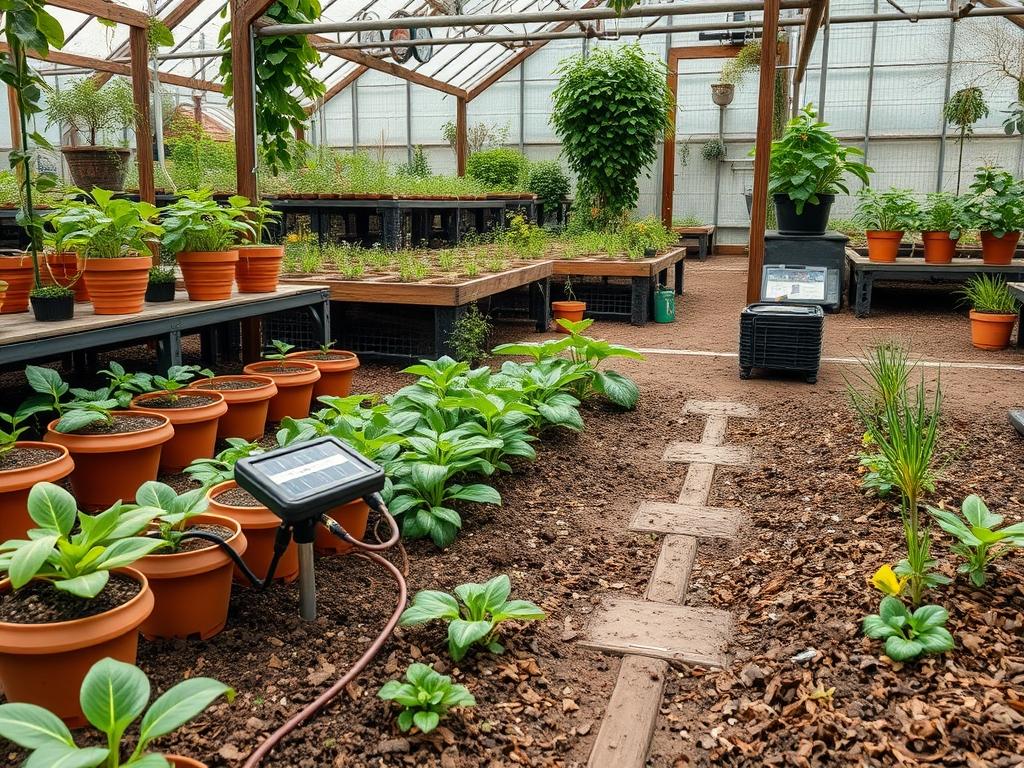
The challenge of modern landscape architecture lies in the delicate negotiation between aesthetic intent and environmental reality. When designing a contemporary outdoor space, we no longer simply look at the arrangement of flora; we consider the property as a holistic system where climate resilience, architectural integration, and advanced technology intersect. Homeowners today demand curb appeal that functions with the same efficiency as their interior living spaces. This requires a sophisticated understanding of microclimates, topographical drainage, and the psychological impact of well-organized greenery. A successful site plan ensures that every square foot serves a purpose, whether it is providing a secluded zone for relaxation or a high visibility area for security. To achieve this level of sophistication, professionals must integrate intelligent infrastructure such as the Solar Powered Sensor Pro to bridge the gap between daytime beauty and nighttime utility.
Lighting and sensor placement are no longer afterthoughts in the design process. They are fundamental components of the site layout that dictate how a space is navigated after dusk. By focusing on site lines and movement patterns, a landscape architect can create a rhythmic experience that guides the eye and the foot simultaneously. The integration of the Solar Powered Sensor Pro provides a layer of automated intelligence, ensuring that pathways remain illuminated only when necessary, which preserves the dark sky integrity of the neighborhood while maintaining high security standards. This thoughtful approach to lighting reflects a deeper commitment to sustainable luxury, where technology serves the landscape rather than distracting from it.
Landscape Design Principles
Effective landscape design is anchored by the principle of symmetry, though this does not always imply a mirror image. In modern environments, we often utilize asymmetrical balance to create visual interest while maintaining a sense of order. By using boxwood hedges or steel edging to define clean lines, a designer can ground more organic, wild plantings. Focal points are another essential element; these can be sculptural trees like a Japanese Maple or structural hardscaping like a stone water feature. These anchors draw the eye through the space, preventing the garden from feeling cluttered or aimless.
Elevation layers play a vital role in adding depth to a flat lot. We achieve this through the use of retaining walls, terraced garden beds, and varied plant heights. Utilizing tier 1 (ground cover), tier 2 (perennials and shrubs), and tier 3 (canopy trees) allows for a rich, textured tapestry that feels lush even in smaller urban footprints. Irrigation planning must be subterranean and precise to avoid wasting resources. We typically design around hydrozones, grouping plants with similar water needs together to maximize efficiency. Finally, walkways should be constructed from durable materials like decomposed granite, pavers, or poured concrete, ensuring a width of at least 36 inches for comfortable passage. Integrating the Solar Powered Sensor Pro along these primary arteries ensures that the transition between elevation layers is safe and clearly demarcated during evening hours.
Plant and Material Selection
Selecting the right biological palette requires a marriage of hardiness and texture. The following table outlines a selection of high performance plants often used in professional residential designs.
| Plant Type | Sun Exposure | Soil Needs | Water Demand | Growth Speed | Maintenance Level |
| :— | :— | :— | :— | :— | :— |
| English Lavender | Full Sun | Well-drained, Sandy | Low | Moderate | Low |
| Green Velvet Boxwood | Full to Partial Sun | Loamy, Neutral pH | Moderate | Slow | Moderate |
| Endless Summer Hydrangea | Partial Shade | Rich, Organic | High | Fast | Moderate |
| Bloodgood Japanese Maple | Partial Shade | Moist, Slightly Acidic | Moderate | Slow | High |
| Emerald Green Arborvitae | Full Sun | Adaptable, Moist | Moderate | Moderate | Low |
| Blue Oat Grass | Full Sun | Dry, Lean Soil | Low | Moderate | Very Low |
| Creeping Thyme | Full Sun | Gritty, Poor Soil | Low | Fast | Low |
Implementation Strategy
The successful execution of a landscape plan begins with meticulous site preparation. First, grading must be addressed to ensure that water moves away from the foundation of the home. A slope of at least 2 percent is generally required for proper runoff. Once the grade is established, the placement of hardscaping elements like patios and walkways should be marked using marking paint or surveyor stakes. This phase is the ideal time to install the mounting posts or structural anchors for exterior tech like the Solar Powered Sensor Pro, ensuring they are positioned at optimal heights, usually 6 to 9 feet, to capture a wide field of motion without being obstructed by future foliage growth.
Following the structural installation, we move to edging and soil amendment. Deep edging prevents the migration of turf into ornamental beds, while a 3 inch layer of organic mulch or hardwood chips helps retain moisture and suppress weeds. When planting, ensures the root flare is slightly above the soil surface to prevent rot. Drainage solutions, such as French drains or dry creek beds, should be integrated into low spots to manage heavy rainfall events. By layering the installation in this order, the hardscaping provides the frame, the plants provide the color, and the Solar Powered Sensor Pro provides the functional oversight that ties the entire environment together.
Common Landscaping Failures
One of the most frequent errors in residential landscaping is the neglect of proper drainage. When water is allowed to pool near root systems or hardscape foundations, it leads to soil souring and structural shifting. Compaction is another silent killer; when heavy equipment is used during construction without subsequent aeration, the soil loses the pore space necessary for oxygen and water to reach roots. This often results in stunted growth or the mysterious death of expensive specimen trees years after the project is completed.
Improper spacing is a hallmark of the amateur gardener. It is tempting to plant for immediate fullness, but failing to account for the mature width of a shrub or tree leads to overcrowding. This creates stagnant air pockets that invite fungal diseases and forces plants to compete for limited nutrients. Additionally, many homeowners fail to consider the maintenance requirements of their “smart” devices. Placing a Solar Powered Sensor Pro in a location that will eventually be shaded by a growing canopy will render its charging capabilities useless. Ensuring that sensors and solar panels have a clear view of the southern sky, even as the garden matures, is critical for long term performance and reliability.
Seasonal Maintenance
Landscape management is a year round commitment that shifts with the biology of the plants. In the Spring, the focus is on renewal. This involves removing winter debris, applying a balanced slow release fertilizer, and pruning summer blooming shrubs. It is also the time to test the irrigation system for leaks and adjust the sensitivity of the Solar Powered Sensor Pro to account for the increased activity of local wildlife. Summer maintenance centers on hydration and weed control. Deep, infrequent watering encourages roots to grow downward, making them more resilient to heat waves. Deadheading spent flowers will often trigger a second flush of blooms in many perennials.
As Autumn approaches, the priority shifts to preparation for dormancy. This is the best time for planting new trees and shrubs, as the cooler air and warm soil encourage root development without the stress of high heat. Leaves should be cleared from lawns to prevent smothering the turf, though they can be shredded and added to garden beds as a natural mulch. Finally, Winter is the season for structural pruning of deciduous trees. This is also the period to audit your lighting and security layout. With the leaves gone, the range of the Solar Powered Sensor Pro may increase, and adjustments may be needed to ensure the light spread remains focused on high traffic zones rather than flickering into a neighbor’s window.
Professional Landscaping FAQ
How do I choose the location for motion sensors?
Identify high traffic transition points such as gate entries, driveway bends, or porch steps. Ensure the Solar Powered Sensor Pro has an unobstructed line of sight and faces the primary path of approach for maximum detection accuracy and response time.
What is the best way to prevent weeds permanently?
While no method is permanent, combining a heavy duty weed barrier fabric with 3 inches of mulch and dense planting is highly effective. Grouping plants closely allows their foliage to shade the ground, naturally inhibiting weed seed germination.
How often should I fertilize my ornamental beds?
Most landscapes thrive with a bi-annual application. Use a high nitrogen blend in early spring to jumpstart foliage growth and a phosphorus rich formula in late fall to strengthen root systems before the winter freeze.
Can I install hardscaping over existing tree roots?
It is generally discouraged. Covering more than 20 percent of a tree’s root zone with impermeable materials like concrete can suffocate the tree. Use permeable pavers or raised wooden decking to allow for gas exchange and moisture penetration.
Why is my solar lighting underperforming in the winter?
Lower sun angles and shorter days reduce charging windows. Ensure the Solar Powered Sensor Pro is tilted toward the winter sun and keep the solar panel free of snow, ice, or fallen leaves to maintain optimal energy conversion.