
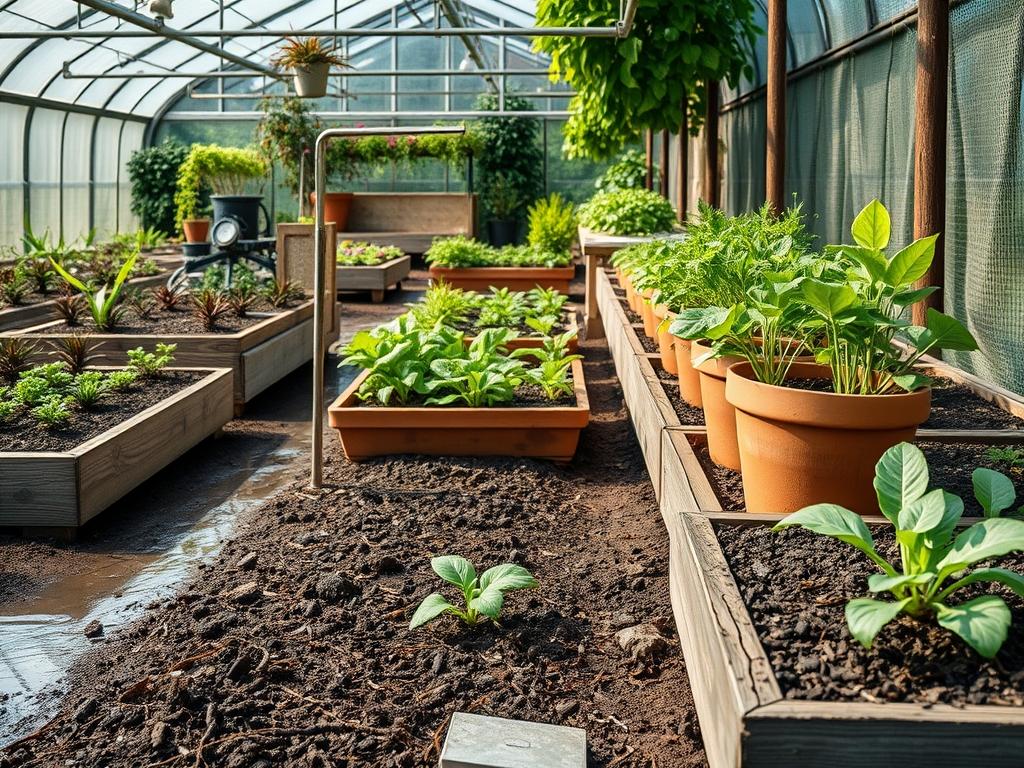
Modern landscaping transcends simple aesthetics; it requires a sophisticated integration of technology and biological management to thrive in fluctuating climates. A property is a living ecosystem where the soil health, plant selection, and water delivery systems must function in perfect harmony to preserve curb appeal and long term property value. The core of this functionality often rests on Smart Irrigation Zone Tech, a system that moves beyond traditional timers to utilize real-time data and localized distribution. Without precise control over moisture levels, even the most expensive horticultural installations are subject to stress, disease, or total failure. Designing an outdoor environment today means planning for the site assets and the environmental constraints simultaneously, ensuring that every drop of water serves a specific purpose within the master plan.
The shift toward intelligent outdoor management focuses on creating high performing landscapes that require fewer manual interventions. Professional consultants now prioritize the establishment of micro climates within a single yard, acknowledging that a north facing slope has vastly different needs than a southern exposure area. By integrating Smart Irrigation Zone Tech, property owners can segment their land into specific hydro zones, allowing for targeted hydration based on plant species, soil drainage capacity, and light levels. This technological approach reduces water waste significantly while promoting deeper root growth and more resilient plant life. When outdoor functionality is the goal, the landscape must be viewed as a series of connected systems where grading, plant biology, and digital control intersects to create a sustainable, beautiful environment.
Landscape Design Principles
Successful landscape design relies on a structured hierarchy, beginning with the foundational layout. Symmetry and visual balance provide the framework for the eye to follow, often achieved by mirroring plantings or structural elements along a central axis. However, balance does not always imply a perfect reflection; asymmetrical balance can be used to create movement and interest, provided the visual weight remains distributed. This is where focal points become essential. A strategically placed specimen tree, a custom stone fountain, or a well designed pergola acts as an anchor for the surrounding foliage. These anchors guide the viewer through the space, preventing the landscape from feeling cluttered or aimless.
Elevation layers are equally critical in professional garden planning. By varying the height of plantings, designers create a sense of depth and enclosure. Low-growing groundcovers serve as the base, followed by mid-sized shrubs, and capped by a canopy of trees. This layering technique mimics natural ecosystems and provides better privacy for outdoor living areas. Integrating Smart Irrigation Zone Tech into these layers is vital because the water needs of a canopy tree differ significantly from the requirements of a perennial border. Advanced zoning allows the higher elevation plants to receive deep, infrequent watering through drip emitters, while the lower turf areas receive shorter, more frequent sprays tailored to their shallower root systems.
Walkways and circulation paths should be more than just functional routes; they are the arteries of the garden. Using materials like flagstone, permeable pavers, or decomposed granite, designers can influence the pace and mood of the space. Straight paths suggest efficiency and formality, while curved paths invite a slower, more exploratory experience. The transition between hardscaping and softscaping must be seamless, with steel edging or natural stone borders preventing soil migration and keeping the design crisp. Proper planning at this stage ensures that heavy foot traffic does not compact the soil near sensitive root zones, preserving the long term health of the vegetation.
Plant and Material Selection
| Plant Type | Sun Exposure | Soil Needs | Water Demand | Growth Speed | Maintenance Level |
| :— | :— | :— | :— | :— | :— |
| Lavandula angustifolia | Full Sun | Well Drained | Low | Moderate | Low |
| Buxus sempervirens | Full or Partial | Loamy/Neutral | Moderate | Slow | Medium |
| Miscanthus sinensis | Full Sun | Varied/Moist | Moderate | Fast | Low |
| Hydrangea macrophylla | Partial Shade | Rich/Moist | High | Moderate | Medium |
| Echinacea purpurea | Full Sun | Lean/Dry | Low | Moderate | Low |
| Acer palmatum | Partial Shade | Slightly Acidic | Moderate | Slow | High |
Implementation Strategy
The process of bringing a landscape design to life begins with comprehensive site preparation. Grading is the most critical first step, as the land must be contoured to direct water away from residential foundations and toward designated drainage areas. Professionals use laser levels to ensure a minimum 2 percent slope across the property. Once the grade is established, the rough-in for Smart Irrigation Zone Tech occurs. This involves trenching and laying PVC lateral lines and high-density polyethylene pipes to specific zones. This is the optimal time to install soil moisture sensors and flow meters that will communicate with the central controller to adjust watering schedules based on local weather forecasts.
After the infrastructure is subterranean, the hardscaping takes center stage. This include the construction of retaining walls, patios, and built-in planters. Retaining walls should be backfilled with 3/4-inch crushed stone and equipped with perforated 4-inch drain tiles to alleviate hydrostatic pressure. Once the structural elements are set, soil amendment begins. The existing earth is often tilled and mixed with organic compost and expanded shale to improve aeration and nutrient availability. This creates a receptive environment for the subsequent planting phase, where larger trees are positioned first, followed by shrubs and then smaller perennials.
The final touches involve the application of mulch and the configuration of the irrigation system. A 3-inch layer of hardwood mulch is applied to all planting beds to suppress weeds, regulate soil temperature, and retain moisture. It is crucial to keep mulch at least 2 inches away from the trunks of trees to prevent bark rot. Once the plants are in the ground, the Smart Irrigation Zone Tech is programmed. Each zone is calibrated based on the specific delivery method, whether it is bubblers for new trees, rotating nozzles for large turf areas, or inline drip tubing for dense garden beds. A final walk through ensures that the solenoid valves are functioning correctly and that there is no overspray onto hardscaped surfaces.
Common Landscaping Failures
One of the most frequent mistakes in residential landscaping is the failure to account for the mature size of plants. Many homeowners install shrubs or trees too close together or too near the house, leading to root overcrowding and structural damage. Inadequate spacing restricts airflow, which increases the risk of fungal infections and pest infestations. Similarly, improper grading can lead to standing water, which drowns root systems and creates breeding grounds for mosquitoes. Without a clear drainage plan involving French drains or dry creek beds, heavy rainfall can quickly erode expensive topsoil and damage the integrity of the design.
Another common failure involves soil compaction, typically caused by heavy machinery during construction or excessive foot traffic. Compacted soil lacks the pore space necessary for roots to breathe and for water to penetrate, rendering even the most advanced Smart Irrigation Zone Tech ineffective. If the water cannot reach the root zone, it will simply run off the surface, wasting resources and starving the plants. Lastly, irrigation inefficiencies often stem from a “set it and forget it” mentality. Traditional systems that run during rainstorms or ignore seasonal shifts are highly wasteful. Without weather stations and linked rain sensors, a landscape can easily suffer from over-saturation, leading to root rot and nutrient leaching.
Seasonal Maintenance
Spring maintenance is focused on revitalization and preparation. This involves clearing debris, pruning dead wood, and performing a full audit of the irrigation system. Controllers should be updated, and spray heads should be checked for clogs or misalignments. This is also the time to apply a slow-release fertilizer and fresh mulch to prepare the beds for the upcoming growth surge. As the weather warms in summer, the focus shifts to monitoring and troubleshooting. Smart systems should be checked for high-flow alerts, which indicate leaks, and watering times should be adjusted for the heat of July and August to prevent plant stress.
Autumn is the season for restoration and long term planning. It is the best time to plant new trees and shrubs, as the cooler air and warm soil permit root development without the stress of summer heat. Falling leaves should be removed or mulched to prevent them from smothering the turf. In winter, maintenance involves protecting the landscape from frost and freezing temperatures. Irrigation systems must be winterized, which includes blowing out the lines with an air compressor to prevent pipe bursts. Hardscapes should be inspected for cracks, and any sensitive tropical plants should be wrapped or moved indoors to survive the dormant period.
Professional Landscaping FAQ
How does smart irrigation save money on monthly utilities?
Smart Irrigation Zone Tech uses weather data and soil sensors to deliver only the precise amount of water needed. This eliminates over-watering during rain events, reducing monthly water consumption by up to 50 percent compared to traditional manual timers.
What is the best way to prevent soil erosion on a slope?
Install retaining walls or use a combination of deep rooted groundcovers and erosion control blankets. Coupled with drip irrigation that delivers water slowly, these methods stabilize the soil and prevent runoff during heavy storms.
Can I integrate smart tech into an existing landscape irrigation system?
Yes, most traditional systems can be retrofitted with a smart controller and wireless moisture sensors. Updating the valves and switching to high efficiency nozzles significantly improves the performance of an older, less efficient layout.
What are the benefits of using native plants in my garden?
Native plants are adapted to the local climate and soil conditions, requiring less supplemental water and fewer chemical fertilizers. They provide essential habitats for local pollinators and are generally more resistant to regional pests and diseases.
How deep should my landscape mulch layer be for health?
A professional standard is a 2 to 3-inch layer of organic mulch. This thickness provides adequate moisture retention and weed suppression without suffocating the soil or preventing oxygen from reaching the roots of your ornamental plants. greenhouse settings.