
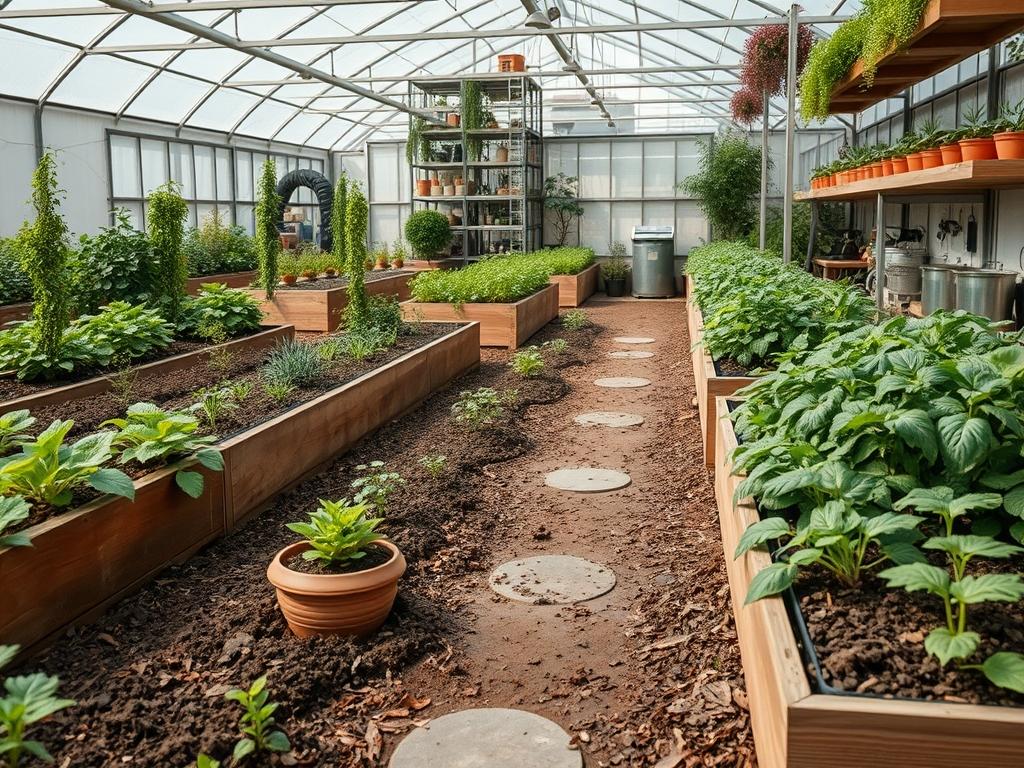
Modern landscape architecture has evolved far beyond the simple arrangement of shrubs and turf. Today, the integration of Smart Garden Design Tech allows professionals and homeowners to visualize complex ecological systems before a single spade hits the dirt. The primary challenge in any outdoor project is the reconciliation of aesthetic desires with the harsh realities of local climate, topography, and soil composition. A garden that looks stunning in a digital render may fail if the designer overlooks subterranean drainage patterns or the specific light requirements of a microclimate. High-performance design software now enables us to simulate sun paths throughout the seasons, ensuring that a patio remains shaded in the summer but receives warmth in the winter. By utilizing these digital tools, we can maximize curb appeal while creating functional outdoor living spaces that serve as true extensions of the home. This precision minimizes costly errors and ensures that every retaining wall or irrigation line is placed with surgical accuracy.
Landscape Design Principles
Achieving a professional finish requires a deep understanding of spatial hierarchy and visual flow. Symmetry often serves as the foundation for formal gardens, where mirrored plantings create a sense of order and calm. However, asymmetrical balance is frequently more effective in contemporary or naturalistic settings, using varying textures and heights to guide the eye toward a specific focal point. Smart Garden Design Tech simplifies this by allowing designers to test different focal points, such as a sculptural fountain or a centenarian olive tree, from multiple viewing angles within a three-dimensional model.
Elevation layers are equally critical. A flat yard lacks character and often suffers from poor runoff. By introducing tiered garden beds or sunken seating areas, we add depth and interest. These layers should be planned alongside an integrated irrigation strategy. Modern systems utilize smart controllers and soil moisture sensors that communicate directly with design software to ensure overlapping spray patterns are avoided and water is delivered only where necessary. Walkways act as the circulatory system of the landscape; they must be wide enough for two people to walk abreast, typically requiring a width of at least 48 inches. When these paths are mapped digitally, we can calculate the exact volume of crushed stone or pavers needed, reducing material waste and optimizing the project budget.
Plant and Material Selection
| Plant Type | Sun Exposure | Soil Needs | Water Demand | Growth Speed | Maintenance Level |
| :— | :— | :— | :— | :— | :— |
| Boxwood (Buxus) | Full Sun to Shade | Well-drained Loam | Moderate | Slow | Medium (Requires Pruning) |
| Lavender (Lavandula) | Full Sun | Sandy, Alkaline | Low | Medium | Low (Annual Deadheading) |
| River Birch (Betula nigra) | Full Sun to Partial | Moist, Acidic | High | Fast | Medium (Shedding Bark) |
| Blue Oat Grass | Full Sun | Dry, Well-drained | Low | Medium | Low (Spring Cleanup) |
| Japanese Maple | Partial Shade | Rich, Slightly Acidic | Moderate | Slow | Medium (Structural Pruning) |
| Hostas | Full Shade | Organic-rich Clay | Moderate | Medium | Low (Slug Control) |
| Switchgrass | Full Sun | Versatile/Poor Soil | Low | Fast | Low (Cut back in Winter) |
Implementation Strategy
The transition from a digital model to physical reality begins with professional grading. This involves redistributing soil to ensure that water flows away from the home foundation at a minimum slope of 2 percent. Accuracy here is paramount; using a laser level or theodolite ensures that the site is prepared for both hardscaping and softscaping without risk of future pooling. Once the rough grade is established, the layout of hardscape elements like patios, walkways, and outdoor kitchens should be marked using surveyor stakes and marking paint.
Following the hardscape installation, designers should focus on edging and bed preparation. Aluminum edging provides a crisp, permanent border that prevents turf from invading ornamental beds. Before planting, the soil must be amended with organic compost or peat moss to a depth of at least 8 inches. When placing plants, refer back to the Smart Garden Design Tech layout to maintain proper spacing, which accounts for the mature width of each species. After the plants are in the ground, a layer of hardwood mulch or pine bark, approximately 3 inches thick, should be applied to all beds. This layer suppresses weeds, retains moisture, and regulates soil temperature. Finally, the installation of a subsurface drainage system, including catch basins and perforated PVC pipes, will protect the investment from heavy rainfall events.
Common Landscaping Failures
One of the most frequent mistakes in residential landscaping is the neglect of proper drainage. Without a clear exit strategy for stormwater, hydrostatic pressure can build up behind retaining walls, leading to structural failure or localized flooding that drowns plant roots. Many installers fail to conduct a perc test before selecting plants, resulting in species that require dry feet being placed in “wet feet” conditions.
Root overcrowding is another sign of poor planning. It is tempting to plant densely for immediate impact, but failing to respect the mature spread of a Red Oak or a Leyland Cypress will eventually lead to nutrient competition and stunted growth. Furthermore, soil compaction is a silent killer. Heavy machinery used during construction compresses the earth, destroying the pore spaces required for oxygen and water to reach the roots. If the soil is not properly aerated or tilled before planting, the landscape will struggle to thrive regardless of the irrigation quality. Inefficient irrigation, such as using high-trajectory spray heads in windy areas or failing to adjust for seasonal changes, leads to significant water waste and fungal diseases caused by over-saturation of the foliage.
Seasonal Maintenance
Landscape management is a year-round commitment that changes with the light and temperature. In the spring, the focus is on renewal. This is the time to apply pre-emergent herbicides to prevent weed seeds from germinating and to perform dormant pruning on late-blooming shrubs. It is also the ideal window to test the sprinkler heads and clear any debris from the French drains.
Summer demands a focus on hydration and heat stress management. Mulch depth should be inspected and replenished to protect root systems from the scorching sun. It is vital to monitor for pests like aphids or spider mites, which can proliferate in hot, dry conditions. As autumn arrives, the priority shifts to cleanup and preparation for dormancy. Fall is the best time for core aeration of the turf and for planting new trees, as the cooler air and warm soil encourage vigorous root development. Finally, winter maintenance involves protecting sensitive plants from frost with burlap wraps and ensuring that hardscape surfaces are clear of salt chemicals that could leach into the soil and damage the pH balance.
Professional Landscaping FAQ
How does Smart Garden Design Tech improve accuracy?
Digital tools utilize satellite data and 3D modeling to calculate exact sunlight exposure and terrain slopes. This prevents mistakes in plant placement and ensures that drainage pipes are angled correctly for gravity-based runoff.
What is the best way to prevent soil compaction?
Limit the use of heavy equipment in planting zones and use plywood sheets to distribute weight if machinery is necessary. Regular core aeration and adding organic matter also help maintain a loose, healthy soil structure.
Why is mulch thickness so important for new plants?
A 3-inch layer of mulch acts as an insulator and moisture barrier. If it is too thin, it fails to stop weeds; if it is over 4 inches, it can suffocate roots and prevent water infiltration.
How do I choose between different irrigation systems?
Use drip irrigation for garden beds to deliver water directly to the roots and minimize evaporation. For large turf areas, rotary nozzles are more efficient than traditional spray heads, providing better wind resistance and uniform coverage.
When should I hire a professional for grading?
If your property has a slope greater than 10 percent or if water pools within 10 feet of the foundation, professional intervention is required. They use skid steers and topographic maps to ensure legal and functional water diversion.