
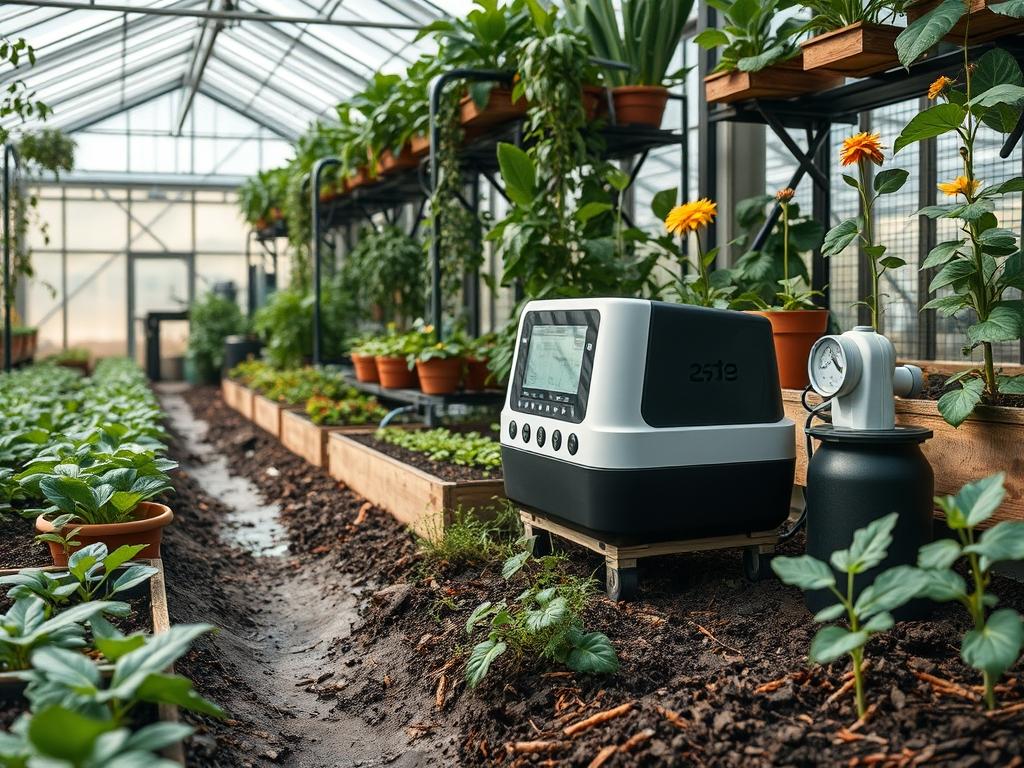
Modern landscaping has evolved from simple aesthetic gardening into a complex discipline that merges architecture, ecology, and advanced technology. When we approach an outdoor environment, we are not merely planting seeds or laying sod; we are constructing a living ecosystem that must balance environmental variables with the specific lifestyle needs of the property owner. The challenge lies in creating a space that looks effortless while functioning with the mechanical precision of a well-oiled machine. This is where the integration of the Automated Garden Device Pro becomes essential. A professional landscape requires a cohesive strategy that accounts for local climate zones, soil chemistry, and the long-term structural integrity of hardscaped elements. By focusing on these core pillars, we can transform a standard backyard into a high-functioning sanctuary that increases property value and enhances curb appeal.
Landscape Design Principles
A successful landscape design starts with a deep understanding of spatial geometry and visual weight. Symmetry is perhaps the most traditional principle, providing a sense of order and formality that guides the eye toward the home entrance or a primary architectural feature. However, asymmetrical balance is often more effective in modern residential settings, where we use varying plant textures and heights to create a dynamic equilibrium without mirroring every element. Focal points are another critical component. Whether it is a specimen tree like a Japanese Maple or a custom natural stone water feature, every garden needs a central hub to anchor the surrounding design.
We must also consider elevation layers to add depth to the visual field. By utilizing retaining walls and tiered planting beds, we can obscure unsightly views and emphasize different zones of the outdoor living space. Irrigation planning should be integrated at the conceptual stage, rather than as an afterthought. A sophisticated system powered by an Automated Garden Device Pro allows for zone-based watering, ensuring that moisture-loving ferns near a decorative pond do not receive the same volume of water as drought-tolerant succulents on a sun-drenched slope. Walkways should be designed to facilitate natural traffic flow, using materials like flagstone, permeable pavers, or decomposed granite to bridge the gap between the built environment and the organic landscape.
Plant and Material Selection
The following table outlines high-performance selections for a balanced landscape, prioritized for longevity and compatibility with automated management systems.
| Plant Type | Sun Exposure | Soil Needs | Water Demand | Growth Speed | Maintenance Level |
| :— | :— | :— | :— | :— | :— |
| English Boxwood | Full Sun to Shade | Well-Drained | Moderate | Slow | Low |
| Blue Star Creeper | Partial Sun | Moist, Loamy | High | Medium | Moderate |
| Dwarf Fountain Grass | Full Sun | Sandy/Rocky | Low | Fast | Low |
| Oakleaf Hydrangea | Partial Shade | Rich, Acidic | Moderate | Medium | Moderate |
| Mexican Feather Grass | Full Sun | Poor/Dry | Very Low | Fast | Low |
| Climbing Hydrangea | Shade/Partial | Fertile | Moderate | Slow | High |
Selecting the right materials extends beyond biology. When choosing hardscape components, we evaluate the compressive strength of pavers and the thermal conductivity of stone decks. We also prioritize native plants whenever possible to support local pollinators and reduce the chemical inputs required to maintain the garden’s health.
Implementation Strategy
The transition from paper design to physical reality requires a methodical approach to construction and installation. The first and most vital step is site grading. We must ensure that the land slopes away from the home foundation at a minimum rate of two percent to prevent water ingress and structural damage. Once the grade is established, we install the primary irrigation lines and drainage pipes. This subterranean infrastructure is the circulatory system of the property, and its failure can lead to catastrophic plant loss or soil erosion.
Next, we establish the boundaries using steel edging or poured concrete curbs. These edges create a clean line between turf areas and planting beds, preventing the migration of aggressive grass species. When it comes to the planting phase, the depth of the hole and the quality of the backfill soil are paramount. We typically mix local soil with organic compost and slow-release fertilizer to give new root systems a competitive advantage. Finally, we apply a 3-inch mulch depth across all beds. This layer of organic matter, whether shredded cedar or pine bark nuggets, suppresses weed growth and regulates soil temperature. During this final stage, we calibrate the Automated Garden Device Pro to recognize the specific moisture thresholds of each newly planted zone, ensuring the transition from the nursery to the field is seamless.
Common Landscaping Failures
Failure in the landscape often stems from a lack of foresight regarding biological growth and hydrological physics. One of the most frequent mistakes is improper drainage design. If water is allowed to pool around the root ball of a tree, it creates anaerobic conditions that lead to root rot and eventual death. Similarly, poor hardscape installation without a proper sub-base of compacted gravel will result in shifting pavers and hazardous uneven surfaces within just a few seasons.
Root overcrowding is another common error. Inexperienced designers often plant for immediate visual gratification, placing shrubs too close together. As these plants mature, they compete for nutrients and light, leading to stunted growth and increased susceptibility to pests. We also see frequent issues with soil compaction. During construction, heavy machinery can crush the pore spaces in the soil, preventing air and water from reaching roots. Finally, irrigation inefficiencies, such as over-watering or mismatched sprinkler heads, can waste thousands of gallons of water. By utilizing the sensor arrays in an Automated Garden Device Pro, we can mitigate these human errors by relying on real-time data rather than guesswork.
Seasonal Maintenance
Landscape management is a year-round commitment that fluctuates with the solar cycle. In the Spring, the focus is on rejuvenation. This involves removing winter debris, applying a fresh layer of pre-emergent herbicide, and conducting a full audit of the irrigation system to check for cracked pipes or clogged nozzles. We also perform structural pruning on deciduous trees before they fully leaf out.
Summer maintenance centers on water management and stress reduction. As temperatures rise, the Automated Garden Device Pro should be adjusted to water during the early morning hours to minimize evaporation. We also monitor for signs of fungal pathogens that thrive in high humidity.
When Autumn arrives, the priority shifts to soil health. This is the ideal time for core aeration of the lawn and the application of potassium-rich fertilizers to strengthen root systems before dormancy. We also plant spring-flowering bulbs and perform deadheading on perennial flowers.
In Winter, the landscape is at its most vulnerable. We focus on protecting sensitive species with burlap wraps and ensuring that the irrigation system is properly winterized to prevent freezing. This is also the time to plan for major renovations, as the lack of foliage allows for a clear view of the garden’s underlying structure.
Professional Landscaping FAQ
How often should I recalibrate my automated sensors?
You should inspect your sensors every three months. Environmental debris or soil shifting can affect accuracy. A quick cleaning and software check ensure your Automated Garden Device Pro continues to deliver precise moisture readings for your specific plant varieties.
What is the best way to prevent soil erosion on slopes?
Utilize a combination of deep-rooted native grasses and boulder outcroppings. The roots bind the soil while the stones break the velocity of runoff. For steep inclines, installing a specialized geotextile fabric underneath the mulch provides additional structural stability.
Can I mix different types of mulch in the same bed?
While you can mix them, it is not recommended for aesthetic or functional consistency. Different organic materials decompose at varying rates. It is better to use a uniform hardwood mulch for moisture retention across a single contiguous planting zone.
Why are my pavers starting to tilt or sink?
This usually indicates a failure in the sub-grade compaction. If the underlying soil was not properly excavated and replaced with a stable crushed stone base, the weight of the pavers and foot traffic will eventually cause the surface to shift.
How do I choose between sod and seed for a new lawn?
Sod offers an instant landscape and immediate erosion control, making it ideal for slopes. Seed is more cost-effective and allows for a wider variety of grass species tailored to specific shade or traffic conditions, though it requires more initial care.