
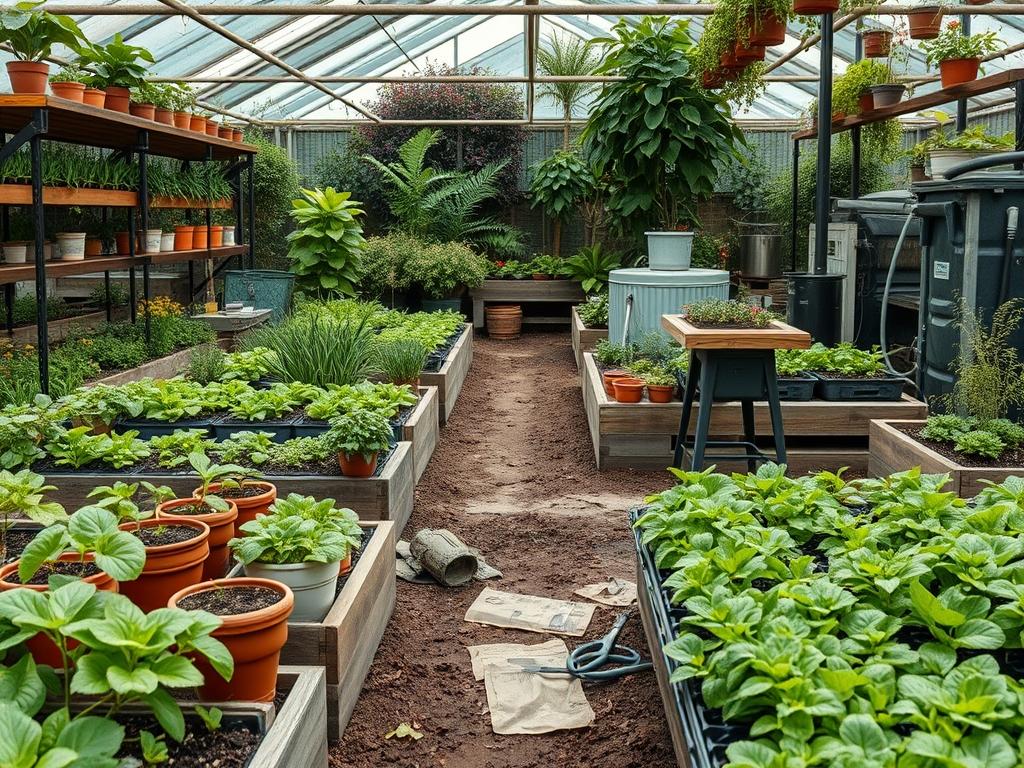
Modern landscaping demands more than just aesthetic appeal; it requires an integrated system where biological needs meet technological precision. For the professional landscape architect or the discerning homeowner, the transition from local control to high-level automation is a critical evolution. Mastering your Smart Irrigation Zone Logic is the fundamental step in ensuring that your outdoor environment thrives despite fluctuating weather patterns and regional water restrictions. While traditional systems rely on a simple timer, smart logic uses real-time biological and atmospheric data to calibrate delivery. This approach preserves the health of your topography, enhances curb appeal, and protects the significant financial investment represented by your specimen plantings and hardscape features. Because water remains the most volatile variable in garden health, its management must be executed with surgical accuracy to prevent both drought stress and fungal pathogens.
The success of any landscape design rests on how well the infrastructure supports the living elements. When we discuss outdoor functionality, we must look beyond the placement of a retaining wall or the curve of a paver walkway. We must look at the invisible network of poly-pipe and solenoid valves that dictate the metabolic rate of the garden. A smart system acts as the central nervous system of the property; it interprets signals from the environment and reacts accordingly. This logic ensures that a southern exposure slope receives more frequent, shorter cycles to prevent runoff, while a shaded northern corner remains damp without becoming anaerobic. By aligning your irrigation logic with your specific microclimates, you create a self-sustaining environment that provides both visual serenity and ecological benefit.
Landscape Design Principles
Effective landscape design begins with the principle of symmetry and visual balance. This does not strictly mean a mirror image on either side of a bluestone path. Rather, it refers to the weight of the plantings and how they draw the eye toward specific focal points. A mature Japanese Maple or a custom water feature serves as a destination for the viewer, but these elements require distinct irrigation strategies that differ from surrounding turf. To achieve this balance, architects utilize elevation layers to create depth. By placing taller species at the rear and low-growing groundcovers toward the edge, we maximize the line of sight while hiding the more utilitarian aspects of the garden.
Irrigation planning must be considered the blueprint upon which all other design choices are built. We categorize zones based on hydro-zones, which are groups of plants with identical water requirements. For example, a grouping of Dwarf Pennisetum and Lavender should never be on the same zone as a Hydrangea hedge. Mixing these will lead to a failure in visual balance as one species will inevitably suffer from either over-saturation or dehydration. Furthermore, walkways and hardscapes should serve as the natural boundaries for these zones. Using straight-edge benders or aluminum landscape edging helps define these boundaries, ensuring that the sprinkler heads do not waste water on non-porous surfaces. This precision prevents the staining of stone and the premature decay of wooden structures.
Visual balance also concerns the transition between different elevations. Using Laser Levels during the planning phase allows for the creation of terraces that manage water naturally. When smart irrigation logic is applied to a terraced garden, the system accounts for the fact that water naturally migrates to lower levels. Therefore, the upper levels are programmed with “cycle and soak” settings, which break up watering times to allow for maximum penetration before the water moves down the slope. This thoughtful integration of physics and technology is what separates a professional landscape from a standard residential yard.
Plant and Material Selection
Selecting the right materials involves understanding the physiological needs of the plant life and the structural integrity of the additives. Below is a breakdown of common species used to create a layered, resilient landscape.
| Plant Type | Sun Exposure | Soil Needs | Water Demand | Growth Speed | Maintenance Level |
| :— | :— | :— | :— | :— | :— |
| Boxwood | Part Sun | Well-drained | Moderate | Slow | Low |
| Lavender | Full Sun | Sandy/Loamy | Low | Medium | Low |
| Hydrangea | Part Sun | Rich/Moist | High | Fast | Moderate |
| Creeping Thyme | Full Sun | Poor/Well-drained | Low | Medium | Low |
| Japanese Maple | Filtered Sun | Loamy/Acidic | Moderate | Slow | Moderate |
| Fescue Turf | Full Sun | Clay/Loam | High | Fast | High |
| Arborvitae | Full Sun | Moist/Deep | Moderate | Medium | Low |
Implementation Strategy
The implementation of Smart Irrigation Zone Logic starts with a comprehensive site survey. You must identify the unique characteristics of your soil and the specific grade of the terrain. Begin by marking utility lines and then proceed to grade the soil away from the foundation of any structures. A minimum drop of 2 inches for every 10 feet is recommended to ensure proper drainage. Once the rough grading is complete, you can begin the layout of your hardscaping. Use marking paint to trace the outlines of your beds and paths. This visual guide allows you to see the “flow” of the garden before any physical labor begins.
Next, install your mainline PVC and the valve manifold. Each valve corresponds to a specific zone in your smart controller, such as “Front Lawn,” “Flower Bed,” or “Back Slope.” When installing the sprinkler heads, ensure they are flush with the final grade of the soil to prevent damage from mowers. For garden beds, use drip irrigation tubing with pressure-compensating emitters. This delivers water directly to the root zone, which reduces evaporation and prevents the spread of leaf-born diseases. The depth of your mulch, ideally 3 inches of cedar or hardwood bark, is crucial here. It must cover the drip lines completely to regulate soil temperature and retain moisture.
The logic portion of the setup occurs within the software. You will input variables such as soil type (e.g., clay vs. sand), the degree of slope, and the amount of sun every zone receives. Most smart controllers, like those from Hunter or Rain Bird, will then pull weather data from local stations. If the forecast calls for rain, the “Rain Delay” logic overrides the schedule. If the temperature exceeds 90 degrees Fahrenheit, the “Seasonal Adjust” logic might increase the watering time by a calculated percentage. This data-driven approach removes the guesswork and ensures that the garden receives exactly what it needs to maintain peak health.
Common Landscaping Failures
The most frequent failure in high-end landscaping is improper drainage management. When water is allowed to pool near the root ball of a tree, it displaces the oxygen in the soil, leading to root rot. To fix this, a French drain or a catchment basin should be integrated into the low points of the design. Another error involves root overcrowding. Many homeowners plant for immediate “fullness” without considering the mature width of the species. A Green Giant Arborvitae can grow to 12 feet wide, meaning it needs significant spacing from the outset to avoid competition for nutrients and sunlight.
Soil compaction is another silent killer of landscapes. In areas with high foot traffic, the soil particles are pressed together, which prevents water from reaching the roots. We combat this by installing stepping stones or permeable pavers to redirect traffic. In terms of irrigation, the “total coverage” fallacy is common. Many users believe more water is better, but this often leads to shallow root systems. Irrigation logic should focus on “deep and infrequent” watering, which encourages roots to grow downward into the subsoil searching for moisture. This makes the plants far more resilient to summer heatwaves and winter freezes.
Seasonal Maintenance
Landscape management is a year-round commitment. In the spring, you must focus on the “wake-up” phase. This includes testing the backflow preventer, flushing the irrigation lines to remove debris, and applying a pre-emergent herbicide to prevent weed growth. Check every nozzle to ensure that the spray pattern has not been obstructed by winter debris. This is also the time to apply a slow-release fertilizer to provide the nutrients necessary for the spring growth spurt.
As summer arrives, the focus shifts to stress management. Adjust your smart logic to account for higher evapotranspiration rates. Monitor the mulch depth and replenish any areas that have thinned out. In the autumn, the goal is preparation. Prune any dead or diseased wood from your perennials and shrubs. Adjust the irrigation schedule to reflect shorter days and cooler temperatures, as plants require significantly less water during this dormancy transition. Finally, in the winter, the most critical step is the “blow out” of the irrigation system. Using a high-volume air compressor, you must purge all water from the lines to prevent freezing and cracking. Cover sensitive specimen plants with burlap to protect them from desiccating winter winds.
Professional Landscaping FAQ
How does smart irrigation save money on water bills?
The logic uses local weather data to skip cycles during rain or high humidity. By watering only when soil moisture is low, the system eliminates the waste typically associated with traditional manual timers and fixed schedules.
What is the best mulch for water retention?
Triple-shredded hardwood mulch is excellent for moisture retention and weed suppression. It knits together to form a protective barrier that resists washing away during heavy rain while slowly contributing organic matter back into the soil profile.
How do I prevent “brown spots” in my turf naturally?
Brown spots are often caused by poor coverage or compacted soil. Ensure your spray heads have head-to-head coverage and aerate your lawn annually. This allows water and oxygen to penetrate the root zone more effectively.
Can I mix drip and spray heads on one zone?
No, this is a major design failure. Drip emitters and spray heads have vastly different precipitation rates. Mixing them will result in one area being flooded while the other remains dry. Always keep them on separate valves.
Why is grading important for smart irrigation logic?
Proper grading prevents water from pooling in one area while others remain dry. If the land is not level, the smart sensor may receive a false reading of high moisture, causing the system to underwater the sloped sections.