
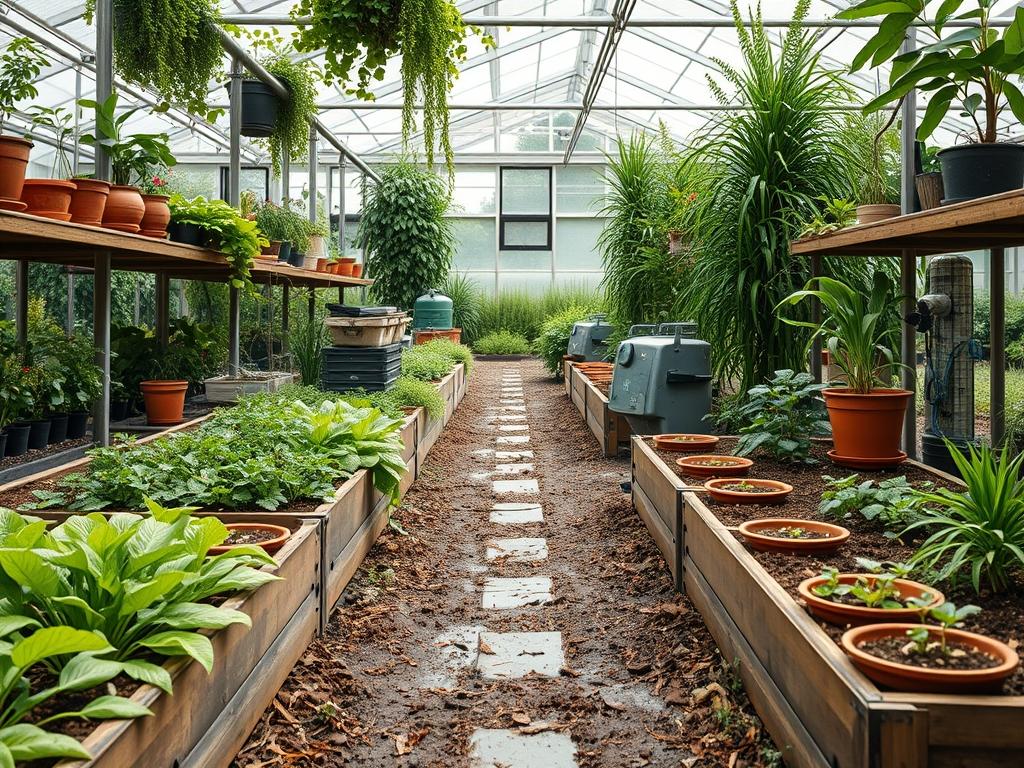
Modern landscape architecture has transitioned from passive aesthetics to active, intelligent environments. Homeowners and commercial developers no longer view the garden as a static collection of flora. Instead, it is an extension of the living space that requires high-level functionality and efficiency. The integration of Automated Garden Power Tech is the cornerstone of this evolution. Traditionally, maintaining a pristine outdoor environment required significant manual labor and a constant eye on the weather. Today, smart systems handle everything from precision moisture control to security lighting. This transition addresses the primary challenge of modern landscaping: achieving a high-end, manicured look while minimizing resource waste and physical upkeep. Intelligent power solutions allow for the seamless operation of complex features such as tiered waterfalls, automated lighting zones, and robotic maintenance tools, all while enhancing the property’s curb appeal and overall market value.
Functional outdoor environments must prioritize the relationship between structural integrity and horticultural health. Designing a landscape with technology in mind requires a strategic approach to power distribution and hardware placement. A well-planned garden uses Automated Garden Power Tech to bridge the gap between architectural hardscaping and softscaping. For instance, the placement of low-voltage transformers must be discreet yet accessible. By centering the design on the user experience, we can create spaces that are as resilient as they are beautiful. This guide examines the essential layers of modern landscaping, focusing on how automation enhances every aspect of the outdoor environment.
Landscape Design Principles
Symmetry and visual balance serve as the foundation of any professional landscape plan. In a modern context, symmetry does not necessarily mean an exact mirror image. Rather, it refers to the distribution of visual weight across the property. A large retaining wall on the left side of a driveway may be balanced by a dense grouping of Picea pungens on the right. Focal points, such as an architectural sculpture or a grand Quercus alba, provide the eye with a place to rest. To maximize the impact of these focal points, landscape architects use directional LED spotlights powered by a smart hub. This ensures that the landscape remains striking after sunset, extending the functionality of the outdoor space into the evening hours.
Elevation layers are critical for creating depth and interest in a flat yard. By using retaining walls and tiered planters, we can introduce verticality. These levels also serve a practical purpose: they allow for distinct hydro-zones. Hydro-zoning is the practice of grouping plants with similar water requirements together. When combined with an automated irrigation controller, hydro-zoning prevents the over-watering of succulents and the under-watering of thirstier shrubs. Walkways should be designed with both flow and utility in mind. A path made of natural flagstone or paver stones should have a sub-grade base of 4 inches of crushed stone to prevent shifting. Integrating recessed path lights along these walkways ensures safety and adds a refined, professional finish to the layout.
Plant and Material Selection
The choice of plants and materials defines the character of the site. For a modern automated garden, we select species that thrive with precise, automated care. The following table provides a selection of versatile plants suitable for a tech-integrated landscape.
| Plant Type | Sun Exposure | Soil Needs | Water Demand | Growth Speed | Maintenance Level |
| :— | :— | :— | :— | :— | :— |
| Buxus sempervirens | Full Sun/Part Shade | Loamy, well-drained | Moderate | Slow | Low |
| Lavandula angustifolia | Full Sun | Sandy, alkaline | Low | Medium | Low |
| Miscanthus sinensis | Full Sun | Moist, rich | Moderate | Fast | Low |
| Echinacea purpurea | Full Sun | Clay or Loam | Low | Medium | Low |
| Cornus sericea | Full/Part Sun | Moist, acidic | High | Fast | Medium |
| Hydrangea macrophylla | Part Shade | Rich, porous | High | Medium | Medium |
Material selection is equally important. When installing Automated Garden Power Tech, the choice of conduit and protective housing is vital. Use Schedule 40 PVC for underground wiring to ensure long-term durability against root intrusion and soil moisture. For mulch, a 3-inch layer of hardwood mulch or triple-shredded cedar is recommended. These materials suppress weeds and retain moisture, allowing the automated irrigation system to operate at maximum efficiency.
Implementation Strategy
The implementation phase begins with a thorough site analysis and grading plan. Proper grading ensures that water flows away from the home foundation and toward designated drainage areas. Before any plants go into the ground, the “tech backbone” must be installed. This involves trenching for irrigation lines and electrical conduits. A standard trench depth of 18 inches is often required for high-voltage lines, while low-voltage lighting cables can be buried at a 6-inch depth.
Once the infrastructure is in place, hardscaping begins. This includes the construction of retaining walls, patios, and built-in planters. Use landscape fabric behind walls to prevent soil migration while allowing for drainage. After the hardscaping is cured, the planting phase starts. When placing trees, ensure the root ball is level with or slightly above the surrounding soil to prevent trunk rot. Edging creates a clean transition between turf and garden beds. A steel or heavy-duty plastic edge prevents grass from encroaching into the mulch. Finally, the automated sensors for the irrigation and lighting systems are calibrated. These sensors monitor soil moisture levels and ambient light, ensuring the garden only uses power and water when absolutely necessary.
Common Landscaping Failures
The most frequent failure in landscape design is poor drainage. Without a proper exit strategy for rainwater, gardens can turn into swamps, leading to root rot and the destruction of underground electrical junctions. Always incorporate French drains or catch basins in low-lying areas. Another common mistake is root overcrowding. Designing for the plant’s size at maturity is essential. A standard shrub might look small in a 3-gallon pot, but if it grows to a 6-foot diameter, planting it too close to a walkway or a power pedestal will cause structural damage over time.
Soil compaction is a silent killer of garden health. During construction, heavy machinery can crush the soil structure, preventing air and water from reaching roots. Amending the soil with organic compost and using aeration tools can mitigate this. Furthermore, many DIY installations suffer from irrigation inefficiencies. Misaligned sprinkler heads that spray water onto siding or concrete paths waste resources and can cause mold growth. In the context of Automated Garden Power Tech, failing to use waterproof wire nuts or inadequate conduit seals can lead to short circuits and system failure during heavy rain.
Seasonal Maintenance
A professional landscape requires a proactive maintenance schedule to preserve the integrity of both the flora and the technology.
Spring: This is the season for revitalization. Inspect all low-voltage lighting fixtures for damage from winter snow. Prune dead branches from Hydrangea macrophylla and apply a slow-release fertilizer. Re-calibrate the smart irrigation controller to account for spring rain patterns.
Summer: Focus on moisture management. During peak heat, the automated system should be set to water early in the morning to reduce evaporation. Check the mulch depth and replenish any areas that have thinned to help the soil retain coolness. Monitor for pests that thrive in high humidity.
Autumn: Prepare the garden for dormancy. Cut back ornamental grasses like Miscanthus sinensis after the first frost. Clean fallen leaves to prevent them from clogging drainage grates. This is also the time to plant spring bulbs and apply a final round of winterizing fertilizer to the turf.
Winter: Protect the infrastructure. Drain the irrigation system and blow out the lines using an air compressor to prevent frozen pipes from bursting. If using smart sensors, clear them of snow and ice to ensure they continue to provide accurate data. Inspect any outdoor power hubs for signs of rodent nesting.
Professional Landscaping FAQ
How does automated power tech save money?
Smart systems reduce utility costs by optimizing water and electricity use. Weather-sensing controllers prevent irrigation during rain, while dimmable LED drivers draw minimal power, cutting monthly expenses significantly compared to traditional manual systems and halogen bulbs.
What is the best way to hide outdoor wires?
Always use Schedule 40 PVC conduit for main runs. For smaller cables, tuck them under a 3-inch layer of mulch or hide them along the interior edges of retaining walls. Professional installers often use discreet junction boxes camouflaged as rocks.
Can I add automation to an existing garden?
Yes. Retrofitting is common. Most standard irrigation valves can be upgraded with a smart WiFi controller. Lighting systems can often be converted to smart tech by replacing the transformer with a model that supports Bluetooth or cloud connectivity.
Why is soil testing important for automation?
Automated systems rely on precise data. Knowing your soil’s pH level and drainage capacity allows you to calibrate moisture sensors accurately. This ensures the system delivers the exact amount of water required for your specific soil type.
How deep should I bury irrigation lines?
In most residential settings, lateral irrigation lines should be buried at least 8 to 12 inches deep. This protects the pipes from aeration equipment and common garden tools like spade shovels, ensuring the longevity of your hardware.