
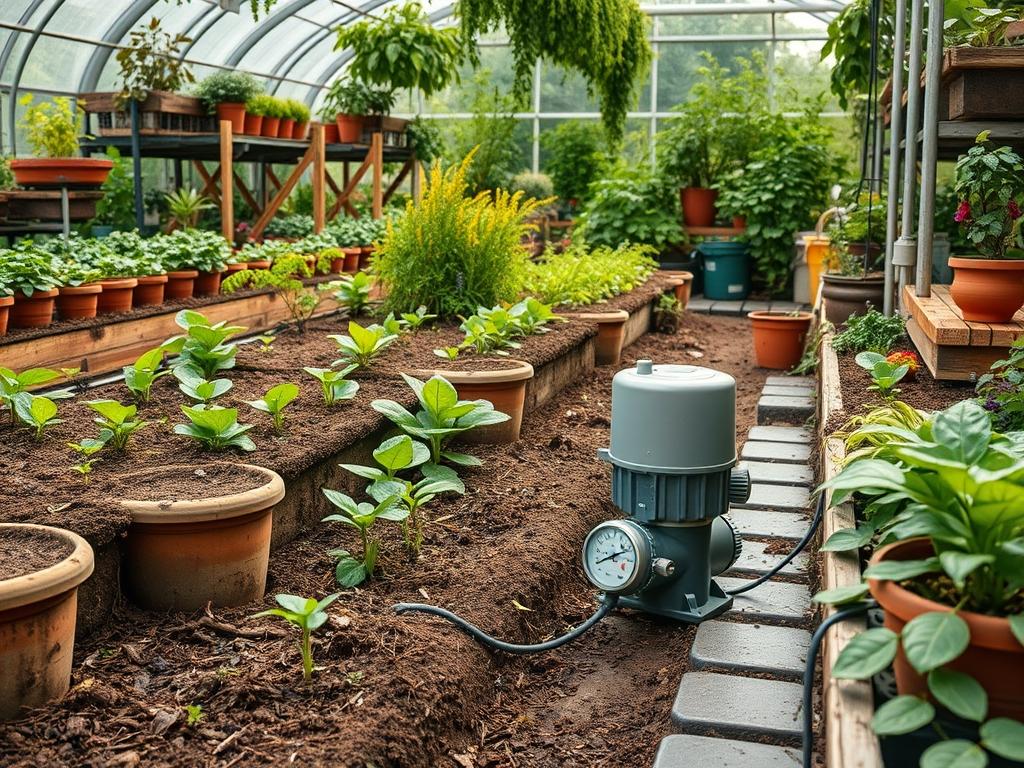
High-end landscape architecture is a disciplined marriage of organic beauty and precise hydraulic engineering. When designing for luxury estates, the primary challenge lies in maintaining a lush, vibrant environment while navigating increasingly volatile climate conditions and stringent municipal water restrictions. Every design choice, from the placement of a Japanese Maple to the slope of a Retaining Wall, serves the ultimate goal of enhancing curb appeal and outdoor functionality. However, the most sophisticated plantings will inevitably fail without a robust delivery system. This is where smart irrigation pump logic becomes the foundational element of the modern garden. It is no longer enough to simply apply water on a fixed timer; a professional grade environment requires an intelligent system that interprets environmental data to make real-time decisions. By integrating advanced pump controllers with precision landscaping, we can create resilient outdoor living spaces that thrive regardless of the season.
Landscape Design Principles
Achieving visual balance in a high-end landscape requires a deep understanding of symmetry and focal points. We often utilize Italian Cypress or structured Boxwood hedges to create strong vertical lines that guide the eye toward architectural features or custom water installations. These elements provide a sense of permanence and order. Elevation layers further enhance this effect, using tiered flower beds and raised stone planters to add depth. From an engineering perspective, these elevation changes present unique challenges for water distribution. Smart irrigation pump logic addresses these discrepancies by calculating the necessary Hydraulic Head to ensure that plants at the highest point of the property receive the same volume of water as those in the lower meadows.
Effective irrigation planning must be integrated into the initial layout of walkways and hardscaping. We design zones based on the specific microclimates created by the shadows of the home and the heat radiation from stone pavers. A zone consisting of Native Grasses requires entirely different pressure and flow parameters than a zone of thirsty Hydrangea. High-end systems utilize a Variable Frequency Drive (VFD) to adjust the motor speed of the pump based on the number of zones active at any given time. This prevents excessive pressure from damaging delicate Drip Emitters while ensuring that large Rotary Sprinklers have the force required for head-to-head coverage. Visual balance is thus maintained through mechanical precision, ensuring no area is over-saturated or parched.
Plant and Material Selection
Selecting the right flora for a smart-managed environment involves balancing aesthetic desires with biological requirements. The following table outlines standard selections for modern luxury landscapes that integrate well with automated irrigation logic.
| Plant Type | Sun Exposure | Soil Needs | Water Demand | Growth Speed | Maintenance Level |
| :— | :— | :— | :— | :— | :— |
| Dwarf Boxwood | Full Sun to Part Shade | Well-Drained Loam | Moderate | Slow | High (Pruning) |
| Lavender | Full Sun | Sandy/Gravelly | Low | Medium | Low |
| River Birch | Full Sun | Moist Acidic Soil | High | Fast | Medium |
| Fescue Grass | Part Shade | Rich Topsoil | Moderate | Fast | Medium |
| Blue Agave | Full Sun | Rocky/Dry | Very Low | Slow | Very Low |
| Emerald Green Arborvitae | Full Sun | Moist/Well-Drained | Moderate | Medium | Low |
Implementation Strategy
The transition from a design blueprint to a functional backyard requires a methodical implementation strategy. The process begins with professional grading to ensure a minimum 2% slope away from the home foundation. This prevents water from pooling and protects the structural integrity of the residence. Once the grade is established, we install the primary drainage infrastructure, including French Drains and subterranean piping. The smart irrigation pump logic is then embedded into the system via a Master Valve and a high-accuracy Flow Meter. These tools allow the system to detect leaks instantly and shut down the pump, preventing catastrophic soil erosion or water waste.
Following the infrastructure phase, we define the garden beds using Steel Edging or Paver Borders to create clean, permanent transitions. Soil preparation is critical; we typically incorporate Organic Compost to a depth of 6 inches before any planting occurs. Once the vegetation is in the ground, a 3-inch layer of Hardwood Mulch is applied to regulate soil temperature and retain moisture. The final step is the calibration of the smart controller. We input specific soil types, slope degrees, and plant species into the software. The pump logic then uses local weather station data to calculate the Evapotranspiration (ET) Rate, ensuring the pump only activates when the landscape actually requires hydration.
Common Landscaping Failures
The most frequent failure in professional landscaping is improper drainage management. Even the most advanced smart irrigation pump logic cannot compensate for a garden bed that lacks a proper exit path for excess rainwater. When water stagnates, it leads to root rot and soil compaction, effectively suffocating the plant’s vascular system. Another common error is root overcrowding. Designers often plant for immediate “fullness” without considering the mature spread of a Red Oak or a Southern Magnolia. This leads to competition for nutrients and eventually causes the irrigation system to become inadequate as the root zones expand beyond the original emitter placement.
Irrigation inefficiencies also stem from poor spacing of sprinkler heads. Without head-to-head coverage, dry spots develop, leading many homeowners to increase the overall runtime of the pump. This creates a cycle of overwatering in some areas and under-watering in others. Soil compaction is another silent killer, often caused by heavy machinery during the construction phase. Compacted soil lacks the pore space necessary for oxygen and water to reach the roots. A sophisticated pump system will attempt to push water into this soil, but without proper aeration, the water simply runs off into the street, wasting resources and failing to nourish the landscape.
Seasonal Maintenance
Maintaining a high-end landscape is a year-round commitment that changes with the solar cycle. In the Spring, the focus is on activation and inspection. We flush the irrigation lines to remove debris and check the smart pump for any signs of wear after the winter dormancy. This is also the time to apply a Pre-emergent Herbicide and replenish mulch layers. As Summer approaches, the smart irrigation pump logic becomes vital. We adjust the “Cycle and Soak” settings to allow water to penetrate deep into the soil without running off, which is essential during peak heat periods. Continuous monitoring of flow rates ensures that no leaks have developed during the height of the growing season.
When Autumn arrives, the strategy shifts toward preparation for colder temperatures. We reduce the watering frequency as plant metabolism slows down, but we ensure that evergreens receive deep hydration before the ground freezes. Perennials are cut back, and leaves are cleared to prevent fungal growth on the turf. In Winter, the primary goal is system protection. In colder climates, we perform a total system “blow-out” using a High-Volume Air Compressor to remove all water from the pipes and the pump housing. The smart controller is typically set to a standby mode, retaining all the programmed logic and historical data so that it is ready to execute a precise watering schedule the moment the ground thaws in the spring.
Professional Landscaping FAQ
What is the benefit of smart irrigation pump logic?
It automates water delivery based on real-time weather and soil data. This prevents overwatering, protects plant health, and reduces utility costs by ensuring the pump only runs when necessary for the specific botanical needs of the estate.
How does elevation affect my irrigation system?
Water loses pressure as it travels uphill. A smart system compensates by adjusting pump output to maintain consistent pressure at every nozzle. This ensures that uphill plants receive the same amount of water as those at lower elevations.
What is the ideal mulch depth for luxury gardens?
We recommend a consistent 3-inch layer of organic mulch. This depth is sufficient to suppress weed growth, regulate soil temperature, and retain moisture while still allowing the soil to breathe and absorb supplemental irrigation water effectively.
Can smart pumps detect leaks automatically?
Yes, when paired with a flow meter, the logic detects unusual water movement. If a pipe bursts or a head is damaged, the system recognizes the flow deviation and triggers an emergency shut-off to prevent flooding and water waste.
Why is professional grading important before planting?
Grading directs excess water away from the house and into designated drainage areas. Without proper grading, water can pool around roots or the foundation, leading to expensive structural damage and the eventual death of high-value plant specimens.