
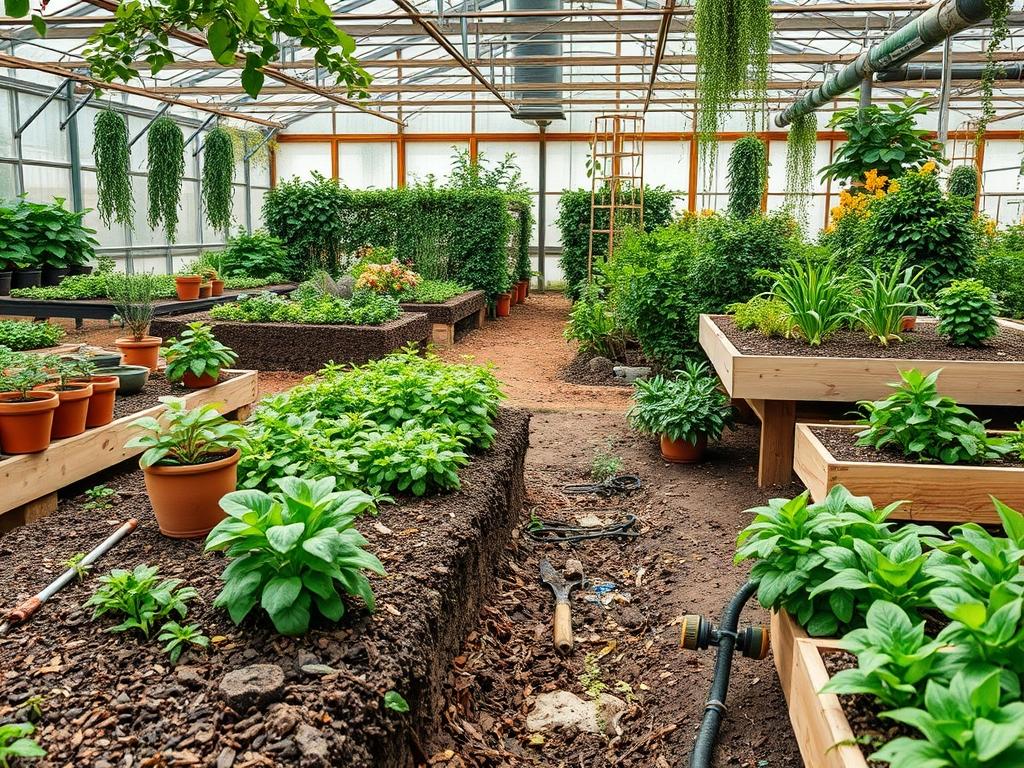
Maintaining a high-end landscape requires more than an eye for aesthetics; it requires an rigorous approach to resource management. In the modern era of landscape architecture, the greatest threat to a property’s health and the owner’s budget is often invisible. Water waste from underground line breaks, weeping valves, or clogged emitters can go unnoticed for weeks, leading to soft spots in the turf, foundation damage, and astronomical utility bills. Smart Irrigation Leak Tech has emerged as the essential safeguard for these investments. By integrating flow sensors and intelligent controllers into the outdoor environment, we move away from traditional “dumb” timers that run regardless of weather or pipe integrity. The goal is to create a self-monitoring ecosystem where curb appeal is achieved through precision rather than excess. Climate fluctuations now demand that we treat water as a finite architectural material, much like stone or timber. When the irrigation system is optimized, the vegetation thrives, the soil structure remains stable, and the operating costs of the estate decrease significantly.
Landscape Design Principles
Professional landscape design starts with the skeletal structure of the property. Symmetry and visual balance are the first considerations, as they guide the eye toward intended focal points. Whether it is a formal entryway flanked by European Hornbeam or a casual backyard retreat, every element must be anchored to a central axis or a repeating pattern. However, the most beautiful design is destined to fail if the subterranean infrastructure is overlooked. Proper irrigation planning must occur simultaneously with the planting plan to ensure that hydrozones are established correctly. A hydrozone groups plants with similar water requirements together, preventing the overwatering of drought-tolerant species while ensuring thirsty specimens receive adequate moisture.
Elevation layers add depth and complexity to the garden. By using Retaining Walls and terraced beds, we create vertical interest and manage runoff. In these elevated zones, drainage is a critical factor. Smart Irrigation Leak Tech plays a vital role here because pressurized lines in elevated beds are prone to erosion if a leak occurs. If a 1.0-inch PVC pipe fails behind a stone wall, the hydrostatic pressure can compromise the structural integrity of the masonry. Therefore, we design with master valves that shut off the water supply at the source whenever the system is not actively cycling.
Visual balance also extends to the transition between hardscaping and softscaping. Blue Stone Pavers or Decomposed Granite walkways provide the necessary negative space to allow the textures of the foliage to pop. We often use Boxwood hedges to define these paths, creating a clean edge that separates the manicured turf from the architectural plantings. Within these borders, the placement of sensors allows the design to respond to the microclimate of the site. A shady corner behind a tall fence will have a vastly different evaporation rate than a south-facing slope, and the technology must reflect that reality.
Plant and Material Selection
Effective landscaping relies on choosing materials that harmonize with the local environment while meeting the client’s maintenance expectations. The following table outlines several common species used in modern professional designs and their specific needs.
| Plant Type | Sun Exposure | Soil Needs | Water Demand | Growth Speed | Maintenance Level |
| :— | :— | :— | :— | :— | :— |
| Dwarf English Boxwood | Full Sun to Part Shade | Well-drained, Loamy | Moderate | Slow | Medium (Trimming) |
| Lavender (Munstead) | Full Sun | Sandy, Gritty | Low | Moderate | Low |
| Japanese Maple | Part Shade | Rich, Acidic | Moderate to High | Slow | High (Pruning) |
| Switchgrass | Full Sun | Versatile, Moist | Low | Fast | Very Low |
| Creeping Thyme | Full Sun | Well-drained, Poor | Low | Moderate | Low |
| River Birch | Full Sun | Wet, Acidic | High | Fast | Medium |
In addition to plant life, the selection of hardscape materials is paramount. We recommend Crushed Basalt for modern drainage solutions or Cedar Mulch for organic moisture retention in ornamental beds. Edging should be constructed from 14-gauge Steel or thick Polyethylene to keep materials separated and prevent lawn grass from encroaching into the irrigation zones.
Implementation Strategy
The transition from a blueprint to a finished landscape requires a disciplined sequence of operations. The first step is always Grading. Using a Transit Level, the team must ensure that the land slopes away from the home’s foundation at a minimum of a 2 percent grade. This prevents water from pooling and protects the basement or slab. Once the rough grade is established, we install the main lines for the irrigation system. This is where Smart Irrigation Leak Tech is integrated. We install a Flow Meter immediately after the Backflow Preventer. This device talks to the Smart Controller, established a baseline for “normal” water flow. If the flow exceeds the baseline by a certain percentage, the system identifies a leak and sends an alert to a smartphone, or better yet, shuts the zone down automatically.
Following the infrastructure, we move to the hardscaping phase. This includes the installation of Retaining Walls and Flagstone patios. These structures must be set on a base of 6.0 inches of Compactable Gravel and 1.0 inch of Bedding Sand to prevent shifting. Once the heavy equipment is off the site, we begin soil amendment. We tilling in Organic Compost to a depth of 8.0 inches to ensure the roots have the nutrients they need.
The final phase is the planting and finishing. We use Shovels and Augers to dig holes twice as wide as the root ball but no deeper. After the plants are set, a 3.0-inch layer of Hardwood Mulch is applied. This mulch suppresses weeds and regulates soil temperature. For the lawn, we typically lay Emerald Zoysia or Kentucky Bluegrass sod, ensuring the seams are tight to prevent drying out. The irrigation system is then programmed with local weather data to ensure it only fires when the soil moisture levels drop below a specific threshold.
Common Landscaping Failures
The most common failure in high-end landscapes is poor drainage. Even the most expensive Smart Irrigation Leak Tech cannot save a garden if the water has nowhere to go. When water stagnates, it leads to soil compaction and root rot. Many contractors fail to install French Drains or Catch Basins in low-lying areas, resulting in “boggy” spots that kill even the hardiest Ornamental Grasses.
Root overcrowding is another frequent mistake. Designers often plant for “instant impact,” placing Evergreen Trees too close together. Within five years, the trees compete for light and nutrients, leading to thinning at the base and increased susceptibility to pests. You must respect the mature spread of each species. Furthermore, improper spacing often leads to the strangulation of irrigation lines. As roots grow, they can wrap around Poly Pipe or PVC, eventually crushing the line. Without a flow sensor to detect the resultant drop in pressure or increase in demand, these leaks can exist for years, causing unseen damage to the landscape’s health.
Finally, many homeowners neglect the calibration of their technology. A smart system is only as good as its data. If the Rain Sensor is clogged with debris or the Flow Meter is not calibrated to the specific nozzle types in each zone, the system may provide a false sense of security. Regular audits are necessary to ensure the hardware is performing its task of water conservation.
Seasonal Maintenance
Landscape management is a year-round commitment. In the spring, the focus is on reactivation and cleanup. We perform a “startup” on the irrigation system, checking every Spray Head and Drip Emitter for winter damage. We apply a Pre-emergent Herbicide to prevent weed seeds from germinating and refresh the Mulch to maintain that 3.0-inch depth.
During the summer, the priority shifts to stress management. We monitor the Smart Irrigation Leak Tech dashboard closely. High temperatures increase the water demand, but they also increase the risk of pipe bursts due to thermal expansion and contraction. We prune spent blooms from Perennials to encourage a second flush of color.
Autumn is the season for renovation. This is the ideal time for Core Aeration and overseeding of the lawn. We also use this time to plant new Deciduous Trees, as the cooler air and warm soil promote rapid root growth. We check the Backflow Preventer and prepare it for the upcoming cold.
Winter maintenance is focused on protection. In colder climates, we must perform a “blow-out” of the irrigation lines using an Air Compressor to remove all standing water. This prevents the pipes from freezing and cracking. We also apply Anti-desiccant Sprays to broadleaf evergreens like Rhododendrons to prevent them from drying out in the winter wind.
Professional Landscaping FAQ
How does Smart Irrigation Leak Tech actually detect a leak?
The system uses a Flow Meter to track the volume of water passing through the pipes. If the gallons-per-minute exceed the pre-set threshold for a specific zone, the Smart Controller recognizes the anomaly and triggers a shutdown or alert.
Will moisture sensors work in heavy clay soil?
Yes, but they require proper calibration. Clay holds moisture longer than sand, so the sensor must be set to a higher threshold to avoid “false dry” readings. Professional grade Soil Moisture Probes are designed to handle varied soil densities accurately.
What is the best mulch for water conservation?
Coarse Triple-Shredded Hardwood Mulch is the industry standard. It mats together to reduce evaporation and breaks down slowly, adding organic matter to the soil. Avoid rock mulch in hot climates, as it reflects heat and increases plant stress.
Can I retro-fit an old irrigation system with leak tech?
Most modern Smart Controllers are compatible with older valve wiring. You can add a wireless Flow Sensor and a master valve to an existing system, providing the same level of protection as a brand-new installation without excavating all the lines.
Is native planting really better for water costs?
Absolutely. Native Plants have evolved to survive in your local rain cycles. Once established, they require significantly less supplemental water, meaning your irrigation system runs less frequently, which naturally lowers the risk of wear-related leaks and utility expenses.