
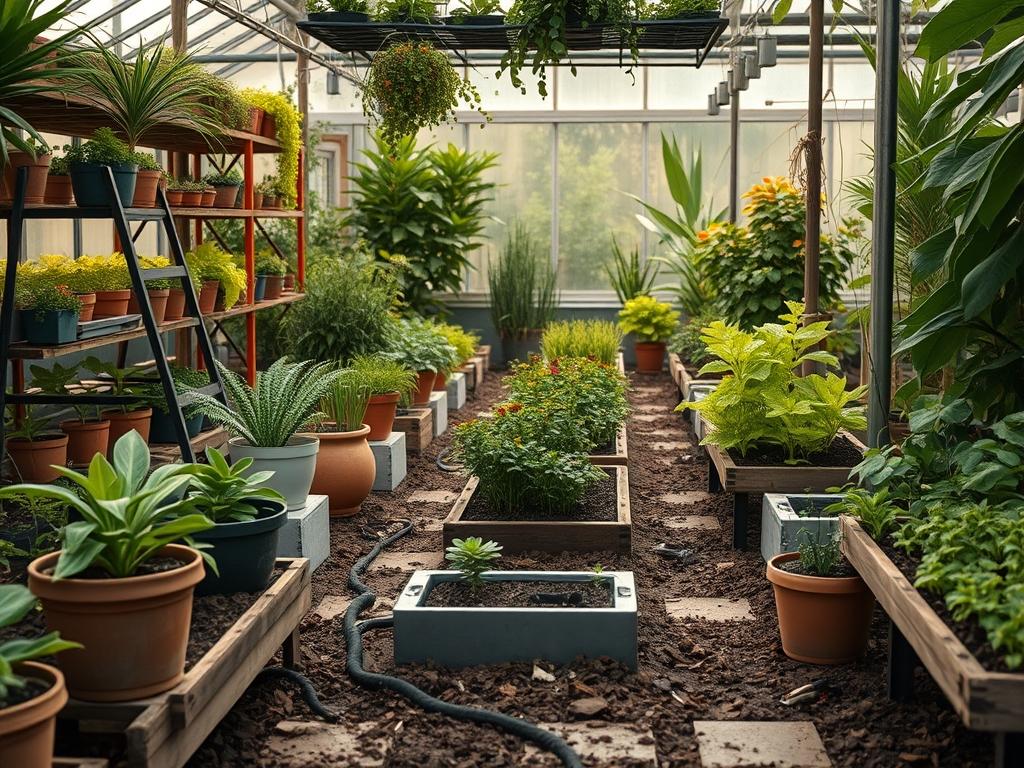
The transformation of a residential exterior from a dark, static space into a dynamic nighttime environment requires more than a few scattered fixtures. It demands a marriage between digital precision and organic form. Property owners today seek sophisticated transitions between their interior comforts and exterior vistas, pushing the boundaries of what we call the outdoor living room. The primary landscaping challenge lies in balancing aesthetic brilliance with technical reliability. Climate considerations, such as extreme temperature fluctuations and moisture levels, dictate the longevity of any hardware. By integrating modern automated garden lighting tips into the initial site planning phase, we ensure that curb appeal serves both a decorative and a functional purpose. High-tech systems allow for a modular approach where the intensity, color temperature, and timing of the landscape can change based on the hour or the season.
Functionality is the cornerstone of any successful landscape architectural plan. A well-lit garden provides safety for navigation, highlights architectural textures, and extends the usable hours of the property. When we design these spaces, we look at how light interacts with softscapes and hardscapes to create depth. A flat, overly bright backyard feels clinical and uninviting. Conversely, a layered approach using smart controllers allows for subtle transitions that guide the eye toward specific focal points, such as a Specimen Tree or a custom-built Retaining Wall. The goal is to hide the source of the light while celebrating the effect, turning the garden into a living gallery that reacts to the needs of the inhabitants via motion sensors or astronomical timers.
Landscape Design Principles
Symmetry and visual balance are the silent drivers of a professional landscape. When applying automated garden lighting tips, we start with the concept of elevation layers. This involves dividing the vertical space into three zones: the ground plane, the eye-level mid-zone, and the high canopy. Ground-level lighting, often achieved through Path Lights or Recessed Well Lights, provides the foundation for safety along Walkways. These fixtures should be spaced strategically to avoid the airport runway look; instead, they should create a rhythmic pools-of-light effect that encourages movement through the space.
Focal points act as the anchors of the design. A large Oak or an elegant Sculpture deserves a dedicated Uplight with an adjustable beam angle. In a high-tech setup, these focal points can be programmed to increase in intensity as the night deepens, maintaining the visual hierarchy of the garden even as the ambient moonlight changes. Symmetry can be achieved by flanking entryways with matching Pillar Lights or by mirroring the positioning of Limb-mounted Downlights across a central lawn. This structural balance provides a sense of order and tranquility.
Irrigation planning must go hand-in-hand with lighting placement. Water and electricity are traditional adversaries, so the layout of Drip Emitters and Sprinkler Heads must account for the location of Transforming Hubs and Low-voltage Cables. We often design lighting to follow the lines of Stone Edging or Timber Borders, ensuring that cables are tucked away from the reach of maintenance tools like Edgers and String Trimmers. Visual balance is finally achieved through the use of shadows. By leaving certain areas in darkness, we create a sense of mystery and prevent the landscape from feeling over-engineered.
Plant and Material Selection
Specific plant species react differently to artificial illumination. Dense evergreens may require higher-wattage Spotlights to penetrate their foliage, while airy, deciduous trees benefit from soft Wash Lighting that highlights their delicate branch structures. Below is a guide for selecting plants that complement an automated lighting scheme.
| Plant Type | Sun Exposure | Soil Needs | Water Demand | Growth Speed | Maintenance Level |
| :— | :— | :— | :— | :— | :— |
| Boxwood Shrub | Full Sun to Shade | Well-Drained | Moderate | Slow | Low |
| Japanese Maple | Partial Shade | Loamy / Acidic | High | Moderate | Medium |
| Ornamental Grass | Full Sun | Sandy / Poor | Low | Fast | Low |
| Lavender | Full Sun | Well-Drained / Alkaline | Low | Moderate | Medium |
| Hostas | Full Shade | Rich / Moist | Moderate | Moderate | Low |
| Crepe Myrtle | Full Sun | Versatile | Moderate | Fast | Medium |
Material selection is equally vital. For hardscaping, using Natural Flagstone or Tumbled Travertine provides a textured surface that catches light beautifully. When choosing mulch, a dark Double-Ground Bark Mulch helps fixtures blend into the background, whereas lighter gravel might reflect too much light, causing unwanted glare.
Implementation Strategy
The transition from a blueprint to a functional automated garden starts with site preparation and grading. Proper grading ensures that water flows away from the home and away from underground electrical connections. Before a single bulb is installed, the landscape must be leveled to prevent pooling. We recommend a 3-percent Grade away from the foundation. Once the earth is prepped, we move to the trenching phase. Using a Trenching Spade, we create channels at least 6 inches deep for the 12-gauge Outdoor Low-voltage Wire. Placing these wires alongside French Drains or within PVC Conduit provides an extra layer of protection against accidental cuts during future planting.
Edging serves as the frame for the garden beds. We prefer Steel Edging or Poured Concrete Borders to create a crisp line that keeps Mulch at a consistent 3-inch Depth. This depth is critical; it suppresses weeds while retaining moisture for the plant roots, but it also provides a stable base for Stake-mounted Fixtures. During the installation of a smart system, the Transformer should be mounted in a discreet, weather-protected area such as a garage or a custom utility cabinet.
The final step is the integration of the Smart Bridge. This device connects the outdoor lights to the home network, allowing for zones to be created. For example, the Patio zone might be set to a warm 2700K for dining, while the Security zone on the perimeter uses a cooler 4000K to provide clear visibility for cameras. Testing must be done at twilight to ensure that beam angles are precisely hitting their targets and not leaking into the neighbors window.
Common Landscaping Failures
One of the most frequent errors in garden planning is poor drainage. If a light fixture is placed in a low-lying area without a Percolation Pit or a drainage outlet, the internal seals will eventually fail, leading to short circuits. Furthermore, root overcrowding poses a significant threat to underground infrastructure. When a tree is planted too close to a Junction Box, the expanding root ball can crush conduits or lift heavy fixtures out of the ground. Proper spacing, based on the mature width of the plant, is non-negotiable.
Soil compaction is another overlooked failure. During construction, heavy machinery can compress the soil so tightly that roots cannot breathe and water cannot penetrate. This leads to plant death, which leaves lighting fixtures illuminating dead branches. Additionally, irrigation inefficiencies, such as misaligned Rotor Heads spraying directly onto LED Fixtures, can cause calcium buildup on the lenses, significantly reducing light output. Finally, the “more is better” trap often leads to light pollution. A property that is too bright loses its natural character and can disturb local wildlife and neighbors.
Seasonal Maintenance
Landscape management is a year-round commitment. In the spring, the focus is on inspecting the system after the winter thaw. Ground heave can push stakes out of the soil, and moisture can seep into connectors. This is the time to prune back new growth that might be blocking a Floodlight and to refresh the Mulch to maintain its insulating properties.
Summer maintenance involves managing the intensity of the heat. Check the Transformer for overheating and ensure that the Irrigation System is not over-saturating the areas where cables are buried. As plants reach their peak growth, you may need to move fixtures outward from the trunk of a tree to maintain the desired lighting effect.
Autumn is the season of debris management. Falling leaves can cover In-grade Lights, creating a fire hazard if the fixtures get too hot, though this is less common with modern LED technology. It is also the ideal time to adjust the automated timers. As the days grow shorter, the astronomical clock in your smart system should automatically shift, but manual checks of the Motion Sensors are recommended as wind-blown leaves can cause false triggers.
Winter requires the most physical protection. In regions with heavy snow, marking the location of fixtures with Reflective Wands prevents damage from snow blowers and shovels. Salt used for de-icing can be corrosive to metal fixtures; therefore, using Brass or Copper housings is a wise long-term investment as these materials develop a protective patina rather than rusting.
Professional Landscaping FAQ
How can I reduce the energy costs of garden lighting?
Switching to high-efficiency LED Bulbs reduces power consumption by up to eighty percent. Additionally, using Smart Zone Scheduling ensures that lights are only active when they are needed, rather than burning all night long.
What is the best way to hide outdoor cables?
Cables should be buried at least 6 inches deep and tucked behind Steel Edging. For areas crossing paths, run the wire through Schedule 40 PVC Conduit before laying the stone to prevent crushing and facilitate easy future repairs.
Should I use solar or wired lighting?
For professional results, Low-voltage Wired Systems are superior. They provide consistent brightness regardless of the weather. Solar lights often lack the power needed for significant architectural shadowing and tend to fail after one or two seasons.
How do I prevent my garden lights from glare?
Select fixtures with deep Shrouds or Glaring Shields. Aim the light away from seating areas and windows. Using a technique called Moonlighting, where lights are placed high in trees and aimed downward, also minimizes direct glare.
Can I integrate my lighting with other smart home devices?
Yes, modern Smart Transformers and Bluetooth Controllers can link with home automation hubs. This allow your garden lights to flash if a security alarm is triggered or to dim when the outdoor television is turned on.