
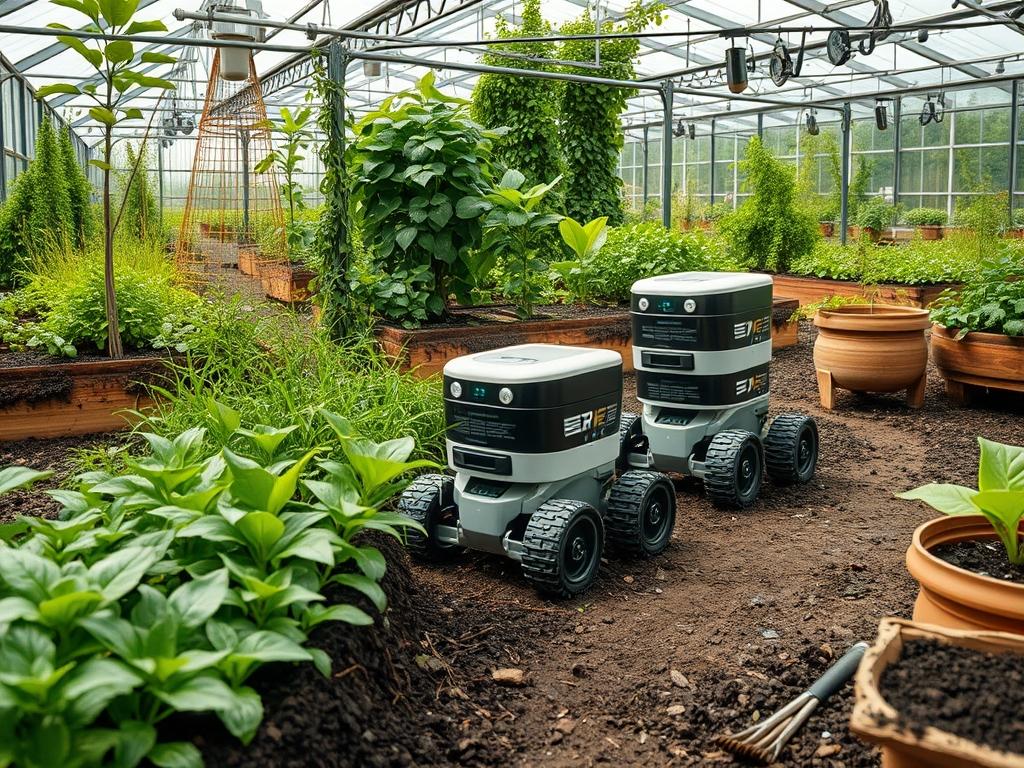
Managing a sprawling estate or a high-end commercial property requires more than just a passing interest in greenery; it demands a rigorous commitment to soil health and aesthetic precision. For decades, property owners have relied on manual labor and heavy machinery to distribute nutrients across vast expanses of turf. However, as labor costs rise and the demand for sustainable precision increases, the emergence of Automated Fertilizing Robots has shifted the landscape of professional property management. These machines represent a transition from generalized care to data-driven, micro-targeted nutrition. Curb appeal is no longer just about the height of the grass, it is about the consistent vibrancy and resilience of the ecosystem. Integrating these autonomous systems into a larger design strategy ensures that outdoor functionality remains high while reducing the carbon footprint of traditional maintenance. When we examine the long-term viability of these technologies, we see they provide a solution to the most persistent landscaping challenge: maintaining peak health in large-scale environments without the variability of human error.
Landscape Design Principles
A successful landscape design begins with a clear understanding of visual balance and symmetry. When planning for large lawns that will be serviced by Automated Fertilizing Robots, the layout must accommodate the physical limitations and sensor capacities of the machinery. Focal points, such as a grand fountain or a specimen White Oak, should be positioned to anchor the eye without creating impassable bottlenecks for autonomous units. Architects must consider elevation layers carefully; sudden drops or steep banks can confuse older GPS-based sensors. By incorporating gradual slopes and retaining walls, we create a structured environment that is both beautiful and navigable.
Irrigation planning must work in tandem with nutrient delivery. In a smart landscape, fertilizers are applied when soil moisture levels are optimal for absorption. This requires a synchronized system where the irrigation controller and the fertilizing robots communicate, or at least operate on complementary schedules. Furthermore, walkways should be flush with the turf or feature beveled edges. These transition zones allow robots to move between different lawn segments without damage to their chassis or the flagstone path itself. By using native plants as transition buffers between the manicured turf and wilder areas, professional designers create a sense of cohesion that feels intentional rather than accidental.
Plant and Material Selection
The following table outlines high-performance selections for a balanced landscape, prioritized by their compatibility with automated maintenance and regional adaptability.
| Plant Type | Sun Exposure | Soil Needs | Water Demand | Growth Speed | Maintenance Level |
| :— | :— | :— | :— | :— | :— |
| Kentucky Bluegrass | Full Sun | Rich, Loamy | 1.5 inches / week | Fast | High |
| Dwarf Boxwood | Full to Partial | Well-drained | Moderate | Slow | Low |
| Purple Coneflower | Full Sun | Poor to Average | Low | Medium | Very Low |
| Japanese Maple | Partial Shade | Slightly Acidic | Moderate | Slow | Medium |
| Creeping Thyme | Full Sun | Sandy/Gritty | Low | Medium | Low |
| Fescue Blend | Full to Shade | Adaptable | 1 inch / week | Medium | Moderate |
When selecting materials, prioritize hardwood mulch for garden beds to prevent lightweight materials from washing onto the turf and interfering with robot sensors. For retaining walls, use natural stone or interlocking concrete pavers to ensure long-term stability in the face of soil shifts and heavy rain.
Implementation Strategy
Implementing a professional-grade landscape requires a phased approach that starts beneath the surface. First, grading is essential. You must achieve a sub-grade that directs water away from the foundation of the home while ensuring the lawn surface is smooth. Use a laser level to identify low spots that might trap water and cause turf rot. Once the ground is leveled, install drainage solutions like French drains or trench drains in areas where water naturally collects.
The next step involves edging and border creation. For properties utilizing Automated Fertilizing Robots, a solid steel edge or a poured concrete curb provides a clear boundary for the robot to follow. This prevents the machine from wandering into delicate perennial beds. After the borders are established, apply a layer of high-quality topsoil to a depth of at least 6 inches to provide a robust medium for root growth.
When laying sod, ensure the seams are tight and staggered to prevent drying out. If you are seeding, use a broadcast spreader for the initial application, but plan for the robot to take over supplemental feeding once the root system is established. Finally, apply mulch to a depth of 3 inches around shrubs and trees. This depth is sufficient to suppress weeds and retain moisture without suffocating the root flares of your specimen trees.
Common Landscaping Failures
The most frequent failure in large-scale landscaping is improper drainage. Even the most advanced Automated Fertilizing Robots cannot fix soil that is anaerobic due to standing water. When water saturates the soil for too long, it creates “dead zones” where nutrients simply wash away rather than penetrating the root zone. Another common mistake is root overcrowding. Homeowners often plant trees and shrubs too close together, failing to account for their mature spread. This leads to competition for nutrients and sunlight, ultimately resulting in a thinning canopy and weak turf underneath.
Soil compaction is another hidden enemy, especially in areas with high foot traffic or where heavy traditional mowers have been used for years. Compressed soil lacks the pore space necessary for oxygen and water to reach the roots. This renders even the best fertilizers ineffective. Additionally, irrigation inefficiencies, such as misaligned sprinkler heads or broken pipes, create uneven growth patterns that no amount of automated care can fully correct. Finally, improper spacing between different material types can lead to “weed bridges” where invasive species hop from a mulch bed into the pristine turf because the edging was insufficient.
Seasonal Maintenance
Seasonal care is the heartbeat of a thriving landscape. In the spring, the focus is on wake-up protocols. This includes core aeration to combat the aforementioned compaction and an initial application of pre-emergent herbicide. It is also the time to calibrate your Automated Fertilizing Robots to ensure they are delivering the correct nitrogen-rich formula required for the early growth spurt.
During the summer, maintenance revolves around water management and stress reduction. Raise the cutting height of your mower to at least 3.5 inches to shade the soil and reduce evaporation. Check your irrigation system weekly for clogged nozzles. The robots should be programmed to deliver potassium-heavy fertilizers during this time to help the grass cope with heat and drought.
Regular autumn maintenance involves overseeding and leaf management. Large leaves can block the sensors of automated units and suffocate the turf. Use a leaf vacuum or a high-powered leaf blower to clear the lawn before the first frost. This is also the window for a dormant feed, which provides the roots with the energy needed to survive the winter.
In winter, while the plants are dormant, the focus shifts to equipment maintenance and structural pruning. Use a bypass pruner to remove dead or diseased wood from trees while their structure is visible. This prevents heavy snow or ice from snapping branches and damaging the landscape below.
Professional Landscaping FAQ
How do fertilizing robots handle uneven terrain?
Most modern units use high-torque motors and deep-tread tires to navigate slopes up to 25 degrees. If the elevation changes are more aggressive, it is best to use retaining walls or ground-cover plants to manage those specific zones.
Can these robots differentiate between grass and flower beds?
Yes, they utilize a combination of boundary wires, GPS geofencing, and ultrasonic sensors. By establishing a physical or digital perimeter during the implementation strategy, you ensure the robot stays strictly on the turf areas without disturbing your perennials.
What happens to the fertilizer during heavy rain?
Advanced robots often have rain sensors that delay application during storms. This prevents nutrient runoff into domestic drainage systems, ensuring the nitrogen and phosphorus stay where they are needed most: in the soil surrounding the grass roots.
Are these robots loud enough to disturb outdoor living?
Unlike traditional gas-powered tractors, these units are electric and operate at very low decibel levels. You can program them to run during the night or early morning without interrupting the peace of your outdoor environment or bothering neighbors.
Is soil testing still necessary with automated systems?
Absolutely. A soil test kit should be used annually to determine pH levels and nutrient deficiencies. The data from these tests allows you to customize the fertilizer canisters in the robot, ensuring the machine provides exactly what the lawn lacks.