
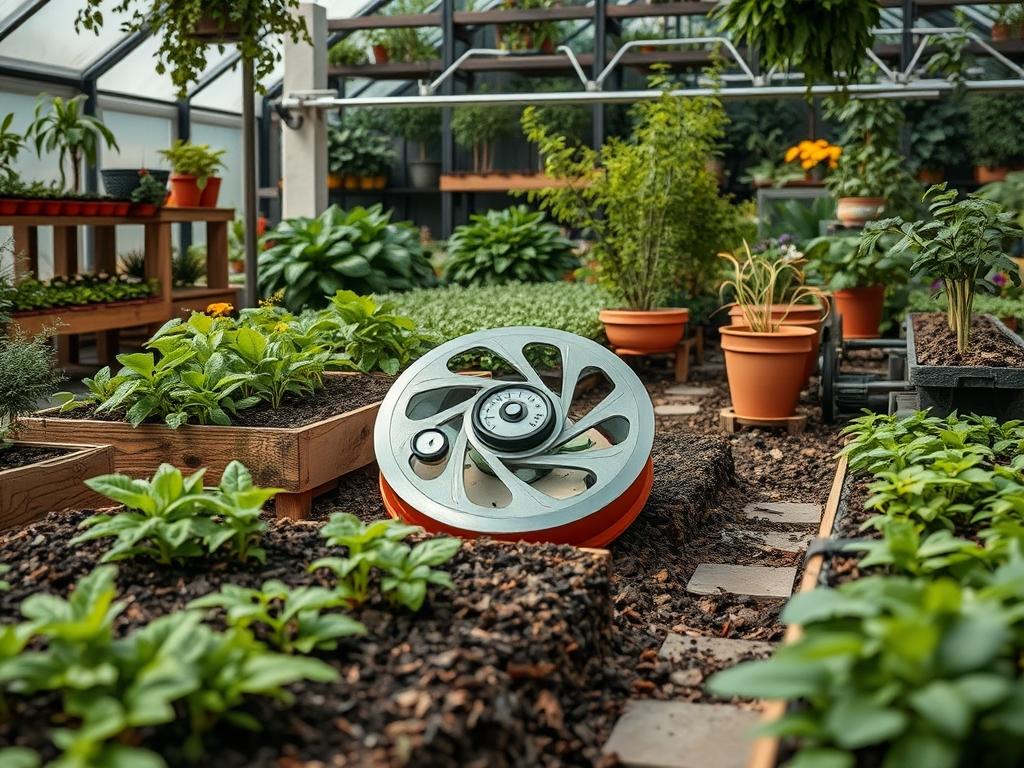
The evolution of the modern landscape depends heavily on the precision of our maintenance tools, particularly as climate volatility places higher stress on residential and commercial turf. Achieving a premier level of curb appeal is no longer just a matter of frequency; it is a matter of anatomical precision at the blade level. When we discuss the science behind Smart Mower Blade Tech, we are analyzing the intersection of metallurgy, fluid dynamics, and botanical health. Traditional mowing often results in ragged, torn leaf tissues that invite pathogens and increase evapotranspiration rates. In contrast, precision tech utilizes sensors and high grade materials to ensure a clean, surgical cut. This reduces the recovery time for the Turfgrass, allowing the lawn to focus energy on root development rather than healing wounded blades. As landscape architects, we view the lawn not as a static green carpet but as a living respiratory system that requires specific airflow and light penetration to thrive.
The integration of advanced sensors within the mowing deck allows for real time adjustments to blade speed and torque. When the mower encounters high density patches or moisture heavy areas, the system compensates instantly. This prevents the “bogging down” effect that leads to uneven height and unsightly clumps of clippings. Furthermore, the vacuum lift generated by optimized blade geometry ensures that the grass is standing perfectly vertical at the point of impact. This technological shift directly influences outdoor functionality by creating a surface that is more resilient to foot traffic and environmental heat. A precisely maintained lawn serves as the foundational canvas for the entire architectural vision, grounding the harder elements of the site with a soft, uniform transition.
Landscape Design Principles
Effective landscape design relies on a structured hierarchy of elements to create a sense of cohesion and purpose. We begin with symmetry and visual balance, which guide the eye through the environment. If a property has a strong architectural center, the lawn and garden beds should radiate outward in a way that provides a sense of order. Focal points, such as a Custom Stone Fountain or a Specimen Japanese Maple (Acer palmatum), are used to break monotony and provide a destination for the viewer’s gaze. Without these anchors, a landscape can feel rudderless and uninspired.
Elevation layers are equally critical in a professional plan. We utilize Retaining Walls to create distinct vertical transitions, which help manage soil erosion and provide seating areas. By layering plants of varying heights, from ground covers to mid-sized shrubs and towering canopy trees, we mimic natural ecosystems while maintaining a curated aesthetic. Irrigation planning must be baked into the design from the start; we often hide Drip Irrigation Lines beneath 2 inches of Cedar Mulch to ensure water reaches the root zone without evaporating. Walkways and paths define the flow of movement, using materials like Flagstone or Decomposed Granite to connect different outdoor rooms. This organizational structure ensures that the Smart Mower Blade Tech can navigate the terrain without interfering with delicate bordering plants.
Plant and Material Selection
The following table outlines the diverse flora and materials typically integrated into a high performance landscape that complements precision turf management.
| Plant Type | Sun Exposure | Soil Needs | Water Demand | Growth Speed | Maintenance Level |
| :— | :— | :— | :— | :— | :— |
| Kentucky Bluegrass | Full Sun | Loamy/Well-Drained | High | Moderate | High |
| Boxwood Shrub | Partial Shade | Neutral pH | Medium | Slow | Moderate |
| Dwarf Fountain Grass | Full Sun | Sandy/Poor Soil | Low | Fast | Low |
| Hostas | Deep Shade | Organic/Moist | Medium | Moderate | Low |
| River Birch | Full Sun/Partial | Wet/Acidic | High | Fast | Moderate |
| Lavender | Full Sun | Gritty/Dry | Very Low | Moderate | Low |
Implementation Strategy
Planning a comprehensive garden layout begins with a detailed topographical survey. We start with grading, which is the most overlooked phase of landscaping. Proper grading ensures that water flows away from the home foundation and toward designated French Drains or Bioswales. Once the grade is established, we mark the boundaries for hardscaping using Surveyor Stakes. This is the time to install heavy elements like Interlocking Pavers or Concrete Retaining Blocks before the delicate softscaping begins.
The second phase involves defining the turf boundaries using Steel Edging or Belgium Block. This provides a hard stop for the lawn, allowing Smart Mower Blade Tech to navigate edges with millimeter precision without damaging the root systems of ornamental plants. When we move to planting, we ensure that each hole is dug at least 2 times the width of the root ball to encourage outward growth. After the plants are in the ground, we apply a layer of Double-Shredded Hardwood Mulch at a depth of 3 inches. This depth is specific; too much mulch can suffocate roots, while too little fails to suppress weeds or retain moisture. Finally, the irrigation system is calibrated to the specific microclimates of the yard, ensuring the lawn receives roughly 1 inch of water per week through a combination of rain and supplemental watering.
Common Landscaping Failures
The most frequent mistake in modern landscaping is poor drainage management. When water pools on a lawn, it creates anaerobic conditions that kill the grass and lead to the proliferation of fungal diseases like Brown Patch. Without proper Drainage Tile or a well-conceived slope, even the most advanced mower will struggle to maintain a healthy stand of grass in saturated soil. Another common error is root overcrowding. Homeowners often plant for the size of the shrub today, rather than its size in 5 years. This leads to a congested aesthetic and competition for nutrients that leaves the entire bed looking stunted.
Improper spacing between the lawn and the woody plants can also lead to mechanical damage. If a Standard Riding Mower or an automated unit has to navigate tight corners, the risk of “scalping” increases. Scalping occurs when the mower blades cut too low into the crown of the grass, causing permanent damage. Soil compaction is another silent killer. Heavy foot traffic or the use of heavy equipment without subsequent Core Aeration prevents oxygen from reaching the roots. Finally, irrigation inefficiencies, such as watering in the heat of the day or using mismatched sprinkler heads, lead to significant water waste and uneven growth patterns that disrupt the uniformity demanded by high end landscape designs.
Seasonal Maintenance
Spring is the season of activation. We begin by removing winter debris and performing a Deep Power Rake to manage thatch buildup. This is also the ideal time to sharpen the mower blades. Precision tech requires a crisp edge to handle the rapid surge of spring growth. We apply a Pre-emergent Herbicide and a high nitrogen fertilizer to kickstart the greening process. As the weather warms into summer, the focus shifts to hydration and height management. We typically raise the mowing height to 3.5 inches to provide shade for the soil and protect the delicate crowns from the sun.
Autumn is reserved for restoration. This is the period for Overseeding with Perennial Ryegrass or Fescue and applying a “winterizer” fertilizer that is high in potassium. We also perform a final low cut of the season to prevent snow mold during the colder months. Winter is primarily about protection and equipment care. We winterize the irrigation system by blowing out the lines with Compressed Air to prevent freezing and cracking. We also take this time to inspect the Carbon Steel Bolts and blade housing on the mowers, ensuring that the Smart Mower Blade Tech is calibrated and ready for the first flush of spring. Consistent maintenance prevents the need for costly “rescue” interventions later in the year.
Professional Landscaping FAQ
How often should I sharpen my mower blades for optimal health?
For residential lawns, blades should be sharpened every 25 hours of use. Professionals using precision tech often sharpen blades every 10 hours to ensure the leaf cuticle is cut cleanly rather than torn which prevents disease.
What is the ideal mulch depth for ornamental garden beds?
A depth of 2 to 3 inches is ideal. This thickness suppresses weeds and retains moisture without preventing oxygen exchange. Avoid “mulch volcanoes” piled against tree trunks as they encourage rot and pest infestation.
Why is drainage more important than irrigation in many climates?
Plants can survive temporary drought, but many species will die within days if roots are submerged in standing water. Proper drainage protects the structural integrity of your hardscaping and prevents soil borne pathogens from spreading.
Which grass type is best for high traffic family backyards?
Tall Fescue is often the best choice for high traffic. It has a deep root system and a high tolerance for heat and wear. It maintains its color well under stress compared to more delicate varieties.
How does smart blade technology improve turf density?
By maintaining a consistent and clean cut, the grass undergoes less physiological stress. This allows the plant to allocate more carbohydrates to lateral growth and tillering, which results in a thicker, more carpet like lawn over time.