
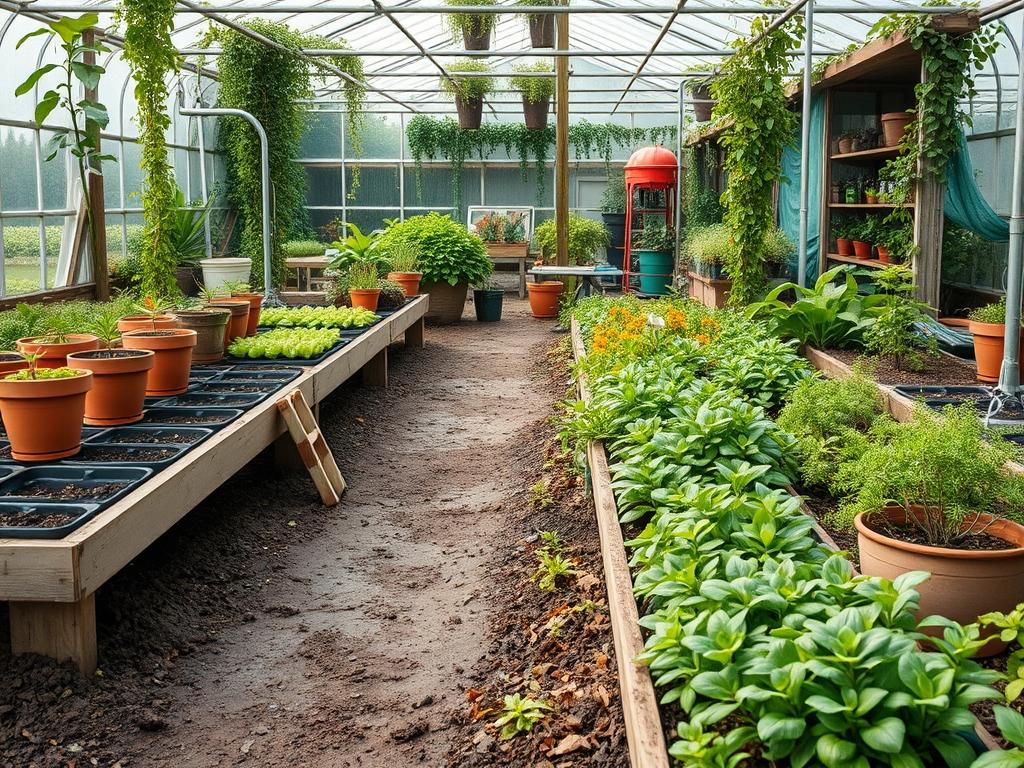
Modern landscape architecture involves a delicate balance between artistic vision and environmental reality. As climate volatility increases, the traditional methods of plant protection are proving insufficient for high value residential and commercial estates. For a Senior Landscape Architect, the primary objective is to create a space that offers year round curb appeal while maintaining long term outdoor functionality. This requires a shift toward smart technology. Integrating AI predictive weather alerts into the management plan allows property owners to move from reactive gardening to proactive mitigation. When the system detects an incoming frost or an unseasonable heat wave, it triggers specific protocols to shield fragile specimens before damage occurs. This level of foresight protects the significant financial investment represented by mature trees and exotic perennials.
The functionality of an outdoor living space depends on its resilience. A garden that withers during a sudden drought loses its value as an extension of the home. By utilizing AI predictive weather alerts, we can optimize irrigation schedules and deploy protective covers with precision. This technology analyzes microclimate data, soil moisture levels, and atmospheric pressure to provide warnings that are far more accurate than generic regional forecasts. Consequently, the landscape remains a lush, thriving environment that supports both aesthetic goals and local biodiversity.
Landscape Design Principles
Successful landscape design relies on fundamental principles that guide the eye and ensure the longevity of the installation. Symmetry and visual balance provide a sense of order, particularly in formal gardens where geometric patterns dominate. When planning these spaces, we look at the primary focal points; these might be a large Japanese Maple or a bespoke stone sculpture. These elements anchor the design and dictate the placement of surrounding greenery.
Elevation layers are equally critical. By utilizing retaining walls and tiered planting beds, we create depth and interest. This structural approach also serves a practical purpose in drainage management. Higher elevations should house plants that prefer drier soils, while the lower tiers can accommodate species that thrive in moisture-rich environments. Walkway design should follow the natural flow of traffic, using materials like flagstone or paver stones to define the path while allowing for proper water infiltration.
Irrigation planning must be integrated at the foundational stage. Rather than a one size fits all sprinkler system, we design zones based on the specific needs of different plant groups. AI predictive weather alerts play a major role here. If the AI predicts high winds, the system can postpone overhead watering to prevent evaporation and uneven distribution. This level of control ensures that every boxwood and hydrangea receives exactly what it needs to flourish.
Plant and Material Selection
Choosing the right components for a landscape requires an understanding of the local ecology and the specific demands of the site. The following table outlines several popular choices and their requirements.
| Plant Type | Sun Exposure | Soil Needs | Water Demand | Growth Speed | Maintenance Level |
| :— | :— | :— | :— | :— | :— |
| Boxwood | Full Sun to Shade | Well-Drained | Moderate | Slow | Medium |
| Lavender | Full Sun | Sandy/Alkaline | Low | Medium | Low |
| Japanese Maple | Partial Shade | Loamy/Acidic | Moderate | Slow | High |
| Hostas | Full Shade | Rich/Moist | High | Fast | Low |
| Red Twig Dogwood| Full Sun to Part | Wet/Clay | High | Fast | Medium |
| Creeping Thyme | Full Sun | Poor/Gritty | Low | Medium | Low |
For hardscaping, the selection of materials like natural granite, cedar decking, and river rock should complement the architectural style of the home. Using geotextile fabric beneath gravel paths prevents weed growth and maintains the structural integrity of the walkway over time.
Implementation Strategy
The transition from a design blueprint to a physical garden requires a meticulous implementation strategy. We begin with grading, which is the most critical step for long term success. The ground must be sloped at a minimum of 2 percent away from any structures to prevent foundation damage and soil saturation. Once the grade is established, we outline the beds using a trenching spade to create clean, deep edges that prevent turf grass from invading the planting zones.
Next, we address the soil composition. In many new constructions, the soil is heavily compacted by heavy machinery. We use a rototiller to break up the earth to a depth of 12 inches, incorporating organic compost to improve aeration and nutrient availability. Drainage systems, such as French drains or catch basins, are installed at this stage to manage runoff.
When it is time to plant, we ensure that the holes are dug twice as wide as the root ball but no deeper. This encourages outward root growth. After the plants are in the ground, we apply a 3 inch layer of shredded hardwood mulch. This layer is essential for moisture retention and temperature regulation. Finally, the AI predictive weather alerts system is calibrated. Sensors are placed throughout the garden to monitor real time conditions, connecting the irrigation controllers and automated frost blankets to a central hub.
Common Landscaping Failures
Many homeowners face setbacks due to avoidable errors during the planning and installation phases. Drainage mistakes are the most frequent cause of plant death. When water pools around the root zone, it deprives the plant of oxygen, leading to root rot. This is often caused by improper grading or failing to account for the heavy clay content in local soils.
Root overcrowding is another common failure. It is tempting to plant closely together for an instant full look, but this leads to competition for resources. Within three to five years, the plants will begin to decline. Proper spacing, based on the mature width of the species, is vital. Similarly, soil compaction from foot traffic or construction can suffocate roots. We recommend using aeration tools annually to keep the soil structure loose.
Irrigation inefficiencies often stem from a lack of monitoring. Routine watering schedules that do not adjust for rain or humidity waste thousands of gallons of water and stress the plants. By relying on AI predictive weather alerts, these inefficiencies are eliminated. The system knows when to skip a cycle because of an impending storm, saving money and preserving plant health.
Seasonal Maintenance
Maintenance is an ongoing process that changes with the calendar. In the spring, the focus is on cleanup and preparation. We remove winter debris, prune dead wood from climbing roses, and apply a fresh layer of pre-emergent herbicide to thwart weed seeds. This is also the time to test the irrigation system and update the software for the AI alerts.
During the summer, the priority shifts to hydration and heat management. We monitor the AI predictive weather alerts for heat dome warnings. When temperatures are expected to exceed 95 degrees, we increase the frequency of deep watering sessions in the early morning hours. Using soaker hoses ensures the water reaches the roots directly without wetting the foliage, which can lead to fungal issues.
Autumn is the season for planting and fortification. The cooling soil is perfect for root development. We apply a high phosphorus fertilizer to encourage hardy growth before dormancy. We also blow out the irrigation lines using an air compressor to prevent freezing and bursting during the winter months.
Winter maintenance involves protecting the architectural integrity of the garden. For fragile evergreens like Arborvitae, we use burlap wraps and twine to prevent heavy snow from breaking branches. The AI predictive weather alerts are most valuable during this period for detecting sudden “polar vortex” events. When an alert is received, we can apply an anti-desiccant spray to broadleaf evergreens to prevent moisture loss from cold winds.
Professional Landscaping FAQ
How do AI predictive weather alerts save money?
They prevent the loss of expensive mature plants by providing early warnings. This allows for proactive covering or irrigation adjustments, reducing replacement costs and water waste by aligning schedules with actual atmospheric needs.
What is the best mulch for weed control?
A 3 inch layer of double-shredded cypress or hardwood mulch is highly effective. It creates a dense barrier that blocks sunlight from weed seeds while retaining essential soil moisture for your primary landscape plants.
How often should I check my drainage systems?
Clean your catch basins and downspout extensions at least twice a year. Ideally, do this in late autumn after the leaves have fallen and again in early spring to prepare for heavy seasonal rains.
Why are native plants recommended for low maintenance?
Native plants are evolutionarily adapted to the local climate and soil. They require less supplemental water and are more resistant to local pests, making them the most sustainable choice for any long term landscape design.
Can I install my own irrigation system?
While small kits exist, professional installation ensures correct water pressure and head spacing. A pro can also integrate AI predictive weather alerts into a smart controller, ensuring the system responds dynamically to changing environmental conditions.