
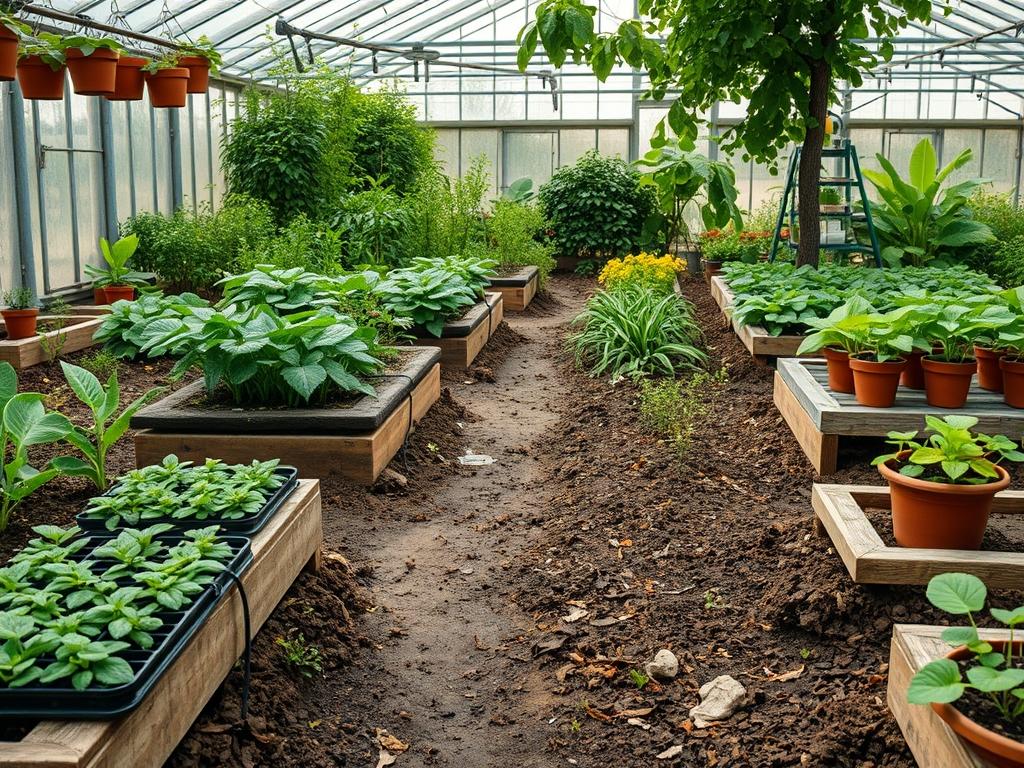
Integrating high-end aesthetics with ecological responsibility remains the primary challenge for the modern landscape architect. As urban sprawl continues to encroach upon natural habitats, the domestic garden has evolved from a simple leisure space into a critical corridor for local biodiversity. One of the most significant yet overlooked factors in this transition is the nocturnal environment. Traditional outdoor lighting often creates a permanent state of false day, which disrupts the biological clocks of pollinators, migratory birds, and small mammals. By implementing a sophisticated Smart Garden Lighting Flux strategy, homeowners can achieve exceptional curb appeal while simultaneously safeguarding the delicate rhythms of their local ecosystem. This approach requires a deep understanding of luminous intensity, color temperature, and the specific behavioral patterns of indigenous fauna.
Effective outdoor lighting is no longer about simply illuminating a path; it is about the surgical application of photons. We must consider how light interacts with the surrounding architecture and the living organisms that call the garden home. A well-designed system uses Smart Garden Lighting Flux to transition between high-activity periods, where safety and visibility are paramount, and late-night modes that mimic the natural lunar cycle. This prevents the “vacuum effect” where insects are drawn to bright sources and exhausted, which in turn impacts the local food chain. Through the use of infrared sensors, astronomical timers, and dimmable LED fixtures, a landscape can provide functional utility during evening gatherings while reverting to a wildlife-friendly sanctuary during the early morning hours.
Landscape Design Principles
Successful landscape design rests on the pillar of spatial harmony. Symmetry and visual balance ensure that the eye moves naturally across the environment, rather than being jolted by harsh transitions. When planning for Smart Garden Lighting Flux, we must view the garden in layers. The ground layer consists of low-voltage well lights that highlight textural changes in groundcover or the base of retaining walls. The mid-layer focuses on shrubs and ornamental features, while the canopy layer uses high-placed spotlights to create a moonlight effect. By layering the light, we avoid the flat, over-illuminated look characteristic of commercial parking lots, opting instead for a depth that mimics natural woodland settings.
Elevation changes also provide a unique opportunity for both drainage and illumination. A tiered garden allows for the installation of recessed lighting within stair risers, which provides safety without beaming light directly into the sky. This containment of light, often referred to as “shielding,” is a core component of reducing light pollution. Furthermore, irrigation planning must be integrated into the early design phase. Placing lights too close to high-output sprinkler heads can lead to calcium buildup on lenses, which scatters light and increases glare. We prefer to group lighting near drip irrigation zones where moisture is precisely controlled at the root level, preserving the integrity of both the electrical components and the soil structure.
Plant and Material Selection
The choice of vegetation dictates how light will behave within the space. Glossy-leaved plants reflect more light, requiring lower wattage, whereas matte, dark-foliaged species absorb light and may need strategic backlighting to define their silhouettes. The following table outlines specific plants that thrive in professional landscapes and their environmental requirements.
| Plant Type | Sun Exposure | Soil Needs | Water Demand | Growth Speed | Maintenance Level |
| :— | :— | :— | :— | :— | :— |
| Quercus virginiana | Full Sun | Acidic/Sandy | Moderate | Slow | Low |
| Lavandula angustifolia | Full Sun | Well-drained/Alkaline | Low | Moderate | Medium |
| Polystichum munitum | Partial Shade | Moist/Loamy | High | Moderate | Low |
| Bouteloua gracilis | Full Sun | Sandy/Rocky | Very Low | Fast | Low |
| Hydrangea macrophylla | Shade | Rich/Porous | High | Fast | High |
Selecting native species is vital for supporting local wildlife. Quercus virginiana, for instance, provides a massive canopy that can be subtly illuminated with soft, warm-toned lights. Using a Smart Garden Lighting Flux controller allows the architect to reduce the brightness of these lights during the nesting season of songbirds, ensuring that the artificial glow does not interfere with their reproductive cycles.
Implementation Strategy
Groundwork is the most labor-intensive phase of any professional project. Begin with a comprehensive site survey to identify utility lines and existing drainage patterns. Grading the land ensures that water flows away from the home foundation and towards designated bioswales or drainage basins. Once the grade is established, we use a trenscher to create paths for 12-gauge direct-burial wire. It is essential to bury these lines at least 6 inches deep to avoid damage from aerators or shovels during future planting sessions.
After the infrastructure is in place, the focus shifts to edging and hardscaping. Use steel edging or paver restraints to create crisp transitions between turf and mulch beds. When applying mulch, maintain a depth of 3 inches to suppress weeds and retain moisture, but ensure it does not touch the base of tree trunks, which can cause rot. The installation of the Smart Garden Lighting Flux system involves placing a transformer in a ventilated, accessible location. Each fixture is then aimed and adjusted during a nighttime walk-through to eliminate hot spots and ensure that light is directed downward or toward specific focal points like retaining walls.
Common Landscaping Failures
The most frequent error in residential landscaping is improper drainage planning. When water pools near the base of lighting fixtures, it leads to premature corrosion and potential electrical shorts. Furthermore, many DIY projects suffer from root overcrowding. Homeowners often plant for the size of the nursery pot rather than the mature size of the species, resulting in tangled root systems that can heave paver stones and disrupt buried conduits.
Another common failure is the use of high-intensity blue-white light. In addition to being harsh on the human eye, high Kelvin temperatures (above 3000K) are particularly disruptive to the circadian rhythms of nocturnal animals. Improper spacing of fixtures also leads to a “runway” look, which lacks the nuance of a professionally designed space. Finally, soil compaction during the construction phase often goes unaddressed. If topsoil is compressed by heavy machinery, it loses the porosity required for air and water to reach plant roots, leading to stagnant growth and susceptibility to disease.
Seasonal Maintenance
A landscape is a living entity that requires consistent management across all four seasons. In the spring, the focus should be on pruning dead wood and checking the irrigation controller for any leaks or broken heads caused by winter freezes. This is also the time to apply a slow-release fertilizer to support the initial growth spurt. As summer arrives, the primary task shifts to moisture management. Adjusting the Smart Garden Lighting Flux to account for later sunsets helps conserve energy, while increasing the frequency of deep-watering sessions ensures plants survive periods of extreme heat.
Autumn requires the diligent clearing of fallen leaves, which can cover ground-mounted lights and create fire hazards or block the sensors of the smart system. This is also the ideal time to plant new perennials and bulbs, as the soil is still warm but the air is cooler. In winter, the landscape architect must ensure that evergreen branches are not overburdened by heavy snow. Lighting should be checked for moisture ingress, and the smart system can be programmed to provide longer durations of light during the short, dark days of December and January, maintaining both security and aesthetic charm throughout the dormant period.
Professional Landscaping FAQ
How does Smart Garden Lighting Flux help local insects?
By using dimmers and sensors to reduce light intensity when humans are not present, the system minimizes the attraction and disorientation of nocturnal pollinators. This allows them to forage and reproduce without the interference of constant, high-intensity artificial glare.
What color temperature is safest for a wildlife-friendly garden?
To protect local ecosystems, choose fixtures with a warm color temperature between 2200K and 2700K. These amber tones are less attractive to insects and have a minimal impact on the melatonin production of vertebrate wildlife compared to blue-rich white light.
Can smart lighting be integrated with existing irrigation systems?
Yes, many modern smart home hubs can synchronize lighting and irrigation schedules. This allows the system to dim lights during scheduled watering to prevent water spots on lenses or to signal when a specific zone is being treated.
How deep should I bury my landscape lighting cables?
For safety and longevity, cables should be buried at least 6 to 8 inches underground. Using PVC conduit in high-traffic areas or under walkways provides an extra layer of protection against accidental damage from gardening tools or lawn equipment.
What is the best way to light a path without disturbing animals?
Use fully shielded, downward-facing “path lights” that keep the light beam localized to the walking surface. Avoid upward-facing floodlights that spill light into the tree canopy or the sky, as this preserves the dark sky environment for nocturnal birds.