
The integration of high-performance agricultural technology into residential and commercial landscape architecture represents a significant shift in how we perceive outdoor functionality. Historically, the distinction between a decorative garden and a productive orchard was rigid, characterized by the messy reality of fallen fruit and the unpredictability of harvest cycles. However, modern environmental consulting now emphasizes the edible landscape, where aesthetics and utility coexist. Achieving this balance requires a sophisticated understanding of climate variables, curb appeal, and the precise timing of biological processes. One of the most transformative tools in this arena is the emergence of AI Fruit Ripeness Sensors, which allow property owners to manage their ornamental orchards with the precision of a commercial grower. By incorporating these sensors into a comprehensive landscape plan, architects can ensure that fruit-bearing trees remain assets rather than liabilities, preventing the decay and pest issues associated with unharvested produce while maximizing the visual and culinary output of the land.
Landscape Design Principles
Successful landscape architecture relies on the foundational concepts of symmetry and visual balance, especially when integrating productive elements like fruit trees. When we design a high-end estate, we often use specimen trees as focal points. A perfectly pruned Honeycrisp Apple or a structural Fig tree can serve as a living sculpture, provided its growth is managed through proper elevation layers and sightline planning. Symmetry is achieved by mirroring plantings along flagstone walkways or framing a distant view with columnar fruit varieties.
Elevation plays a critical role in both the health of the plant and the visual impact of the garden. We utilize retaining walls built from natural ledge stone or interlocking concrete blocks to create tiered planting beds. These tiers allow for better drainage and make the installation of subterranean infrastructure easier. Within these layers, irrigation planning must be meticulous. We utilize drip irrigation lines with pressure-compensating emitters to deliver water directly to the root zone, reducing evaporation and preventing the fungal diseases common in overhead watering systems.
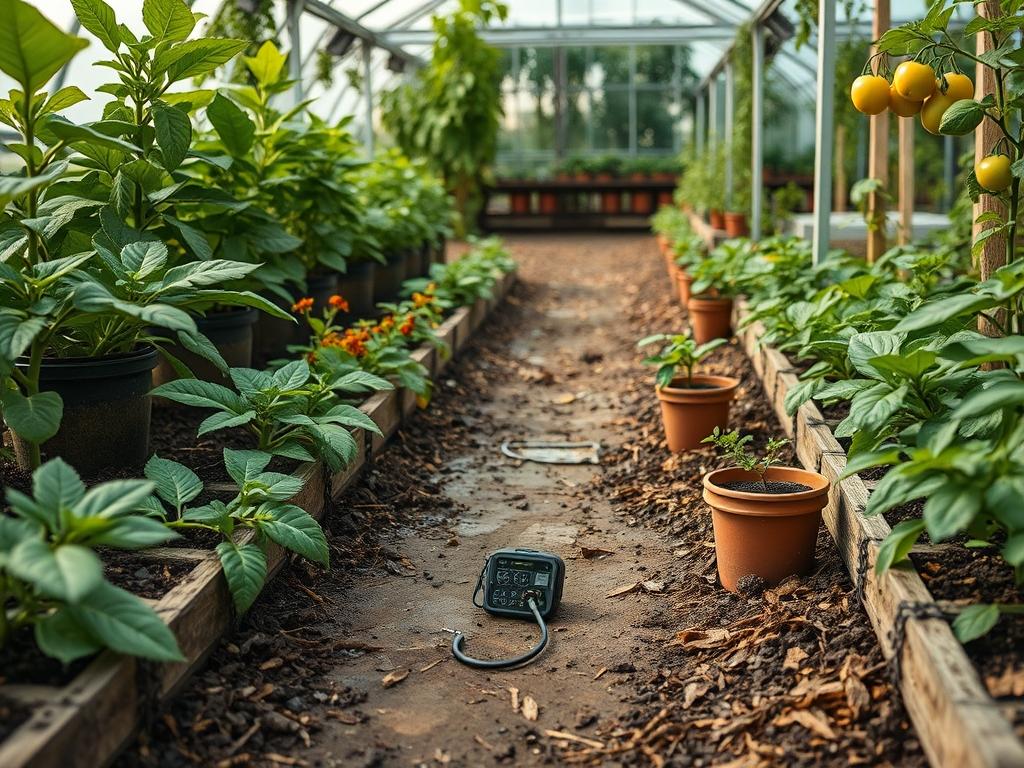
Walkways should be constructed from durable materials like decomposed granite, pea gravel, or thermal-finish bluestone. As a consultant, I recommend a minimum width of 48 inches for primary paths to allow for comfortable movement and the passage of maintenance equipment. Within these paths, we can discreetly house the data hubs for AI Fruit Ripeness Sensors. These sensors monitor the spectral signature and ethylene output of the fruit, providing real-time data to a mobile interface. This ensures that the visual balance of the garden is never disrupted by the sight of overripe, rotting fruit on the ground, which can damage the lawn and attract unwanted wildlife.
Plant and Material Selection
| Plant Type | Sun Exposure | Soil Needs | Water Demand | Growth Speed | Maintenance Level |
| :— | :— | :— | :— | :— | :— |
| Dwarf Citrus | Full Sun | Well-drained Sandy Loam | Moderate | Medium | High |
| Espalier Pear | Full Sun/Partial Shade | Rich Organic Matter | Consistent | Slow | Professional |
| Highbush Blueberry | Full Sun | Acidic (pH 4.5-5.5) | High | Moderate | Medium |
| Columnar Apple | Full Sun | Loamy and Aerated | Moderate | Fast | Low |
| Hardy Kiwi Vine | Full Sun | Deep and Moist | High | Very Fast | High |
Implementation Strategy
The process begins with a detailed site analysis and a topographic survey. Grading is the most critical step; a 2 percent slope away from all structures is mandatory to ensure proper water runoff. Once the grade is established, we mark the layout using survey stakes and marking paint, identifying the exact locations for hardscaping and large caliper trees.
Next, we address the soil. Most residential soil is compacted from construction, so we use a power tiller to incorporate organic compost and expanded shale to a depth of 12 inches. After the soil is prepared, we install steel edging to create clean transitions between turf and planting beds. This edging prevents invasive grass species from encroaching on the fruit tree root zones.
When planting, the root flare must be visible at the soil surface. We dig holes twice as wide as the root ball but no deeper. For trees equipped with AI Fruit Ripeness Sensors, we install low-voltage wiring or ensure clear line-of-sight for wireless mesh networks during the trenching phase for the irrigation system. Finally, a 3-inch layer of double-shredded hardwood mulch is applied, ensuring it does not touch the trunk of the tree. This mulch layer suppresses weeds and retains moisture, creating a stable environment for the sensors to take accurate readings of the micro-climate surrounding the fruit.
Common Landscaping Failures
The most frequent mistake in high-end landscaping is improper drainage. When water stalls in the root zone, it leads to anaerobic conditions and root rot. Many contractors fail to perform a percolation test before planting, which is essential in regions with heavy clay. To fix this, we often install French drains consisting of perforated 4-inch PVC pipe encased in washed gravel and wrapped in filter fabric.
Another common failure is root overcrowding. Designing for the “instant landscape” often involves planting trees too close together. Within five years, the canopies overlap, reducing airflow and light penetration, which are vital for fruit quality. Furthermore, soil compaction from heavy foot traffic or skid steer use during construction can suffocate roots. Professional architects use pneumatic soil probes to aerate the ground without damaging existing root structures.
In orchards, irrigation inefficiency is particularly damaging. Many systems overwater, which dilutes the sugars in the fruit and triggers the AI Fruit Ripeness Sensors into sending false signals about maturity. Using a smart weather-based controller that adjusts for local evapotranspiration rates is the only way to maintain the precision needed for a perfect harvest.
Seasonal Maintenance
Spring is the season of calibration and growth. As the sap begins to flow, we use bypass pruners and pole saws to remove the “Three Ds”: dead, damaged, or diseased wood. This is also the time to check the sensors and ensure they are positioned to monitor the developing fruit clusters. We apply a slow-release granular fertilizer with a balanced nitrogen-phosphorus-potassium ratio to support the initial leaf-out.
Summer focus shifts to water management and pest monitoring. As temperatures rise, we increase the frequency of our irrigation cycles, monitoring the soil with tensiometers. The AI Fruit Ripeness Sensors become most active during the late summer, tracking the transition from starch to sugar. This data allows the maintenance crew to schedule the exact day for harvest, ensuring peak flavor and minimum waste.
Autumn involves the final harvest and the preparation for dormancy. Once the sensors indicate that the harvest is complete, we remove any remaining “mummy fruit” from the trees to prevent disease. We apply a final round of mulch and adjust the grade if any erosion occurred during summer storms.
Winter is the structural phase. We perform dormant pruning to shape the trees and allow for maximum sun penetration in the coming year. We also winterize the irrigation system by using an air compressor to blow out all lines, preventing freeze damage to the valves and pipes.
Professional Landscaping FAQ
How do AI Fruit Ripeness Sensors save money?
These sensors prevent crop loss by providing exact harvest windows. This reduces labor costs by eliminating the need for daily manual inspections and prevents the costly cleanup of rotted fruit that attracts pests and damages high-end turf.
What is the best mulch for fruit-bearing landscapes?
Use double-shredded hardwood mulch or pine bark nuggets. These organic materials break down slowly, improving soil structure over time. Avoid dyed mulches, as the chemicals can leach into the root zone and affect the flavor of the fruit.
Can I grow fruit in a small urban backyard?
Yes. Use espalier techniques or dwarf rootstocks. Trees can be trained to grow flat against fences or brick walls, saving horizontal space while providing a significant harvest and act as a living screen for privacy.
Why is my fruit tree not producing?
Common causes include improper soil pH, lack of a pollinator partner, or excessive nitrogen fertilizer which promotes leaves over fruit. Additionally, many fruit trees require a specific number of chill hours during winter to break dormancy and bloom.
How deep should my irrigation lines be?
Main lines should be buried at least 12 to 18 inches deep to protect them from aerators and shovels. Lateral lines for drip systems can be shallower, usually 4 to 6 inches, or tucked just beneath the mulch layer.