
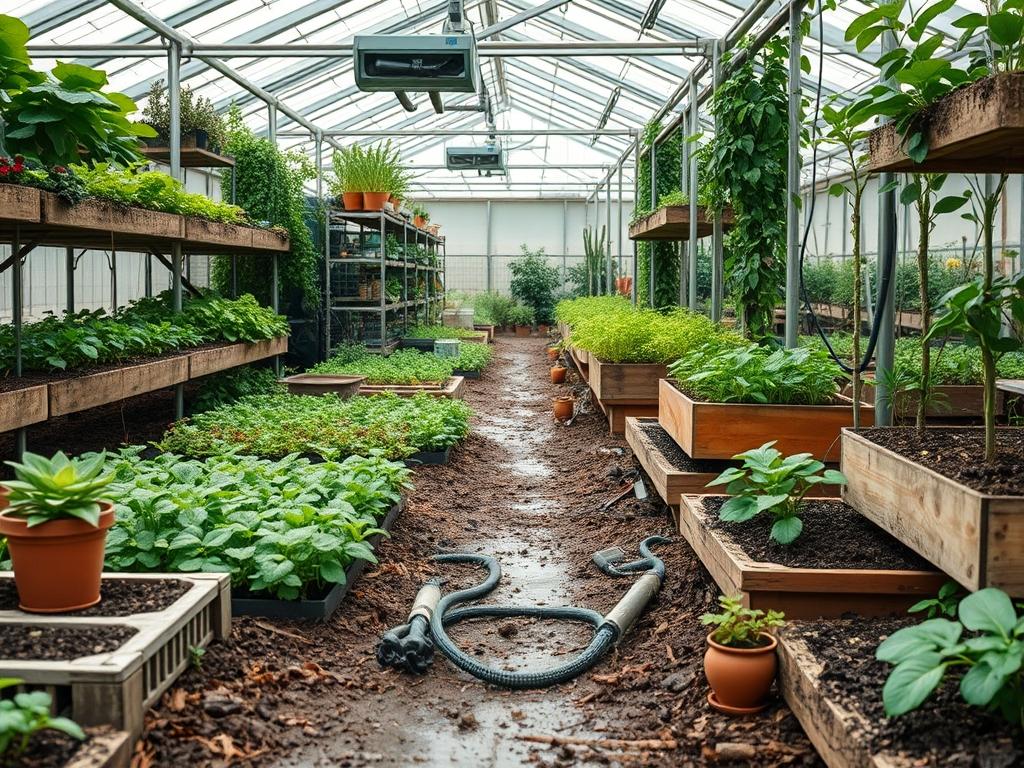
Modern landscape architecture requires a delicate balance between aesthetic ambition and biological reality. While the structural elements of a garden define its character, the health of the vegetation determines its longevity and overall curb appeal. Maintaining a pristine outdoor environment in varying climates poses a significant challenge for property owners; specifically the consistent delivery of nutrients to diverse plant species. Traditional granular fertilization often leads to uneven growth and chemical runoff. To solve this, the integration of Automated Liquid Feeding into a precision drip irrigation system has emerged as the gold standard for high-end residential and commercial landscapes. This approach, often called fertigation, ensures that every plant receives a calibrated dose of nutrition directly at the root zone, maximizing growth while minimizing water and fertilizer waste.
Functionality in a garden is not just about the placement of a stone patio or the curve of a walkway. It encompasses the life support systems that allow a landscape to thrive under environmental stress. In regions prone to heatwaves or fluctuating rainfall, a passive irrigation system is rarely sufficient to maintain the lush, vibrant foliage that defines luxury properties. By automating the feeding process, we remove the human error associated with manual application. This technical evolution allows for a more ambitious plant palette, enabling the use of high-demand specimen plants that would otherwise struggle in native soil conditions. When the nourishment is delivered in a steady, liquid stream through the drip lines, the soil chemistry remains stable, preventing the feast-or-famine cycles that stress root systems and encourage disease.
Landscape Design Principles
The architectural integrity of a garden relies on the successful implementation of symmetry, focal points, and elevation layers. When we design a landscape, we view the irrigation plan as the circulatory system of the property. Without a well-planned distribution of water and nutrients, even the most expensive Specimen Trees will fail to reach their full potential. Symmetry is often achieved through the use of matched pairings, such as Italian Cypress flanking an entryway. Automated Liquid Feeding ensures these pairs grow at the same rate, maintaining the visual balance intended in the original blueprint. Without precise feeding, one plant might encounter a nutrient pocket while the other starves, leading to lopsided growth that destroys the formal aesthetic.
Focal points, such as a large Japanese Maple or a tiered fountain surrounded by perennials, require dedicated micro-zones within the irrigation network. These zones allow the landscape architect to vary the concentration of the liquid feed based on the specific needs of the focal plant versus the surrounding groundcover. Elevation layers also play a critical role in hydraulic planning. On sloped terrain, we utilize Retaining Walls to create level planting beds. These walls prevent nutrient-rich water from washing away, but they also require specialized drainage solutions. In these elevated beds, Automated Liquid Feeding is particularly effective because it delivers water at a low flow rate, allowing the moisture to penetrate deep into the Mulch and soil layers rather than cascading over the surface.
Plant and Material Selection
Selecting the right combination of flora and hardware is essential for a successful fertigation setup. Below is a guide for common plants integrated into automated feeding systems.
| Plant Type | Sun Exposure | Soil Needs | Water Demand | Growth Speed | Maintenance Level |
| :— | :— | :— | :— | :— | :— |
| Boxwood Shrub | Full Sun to Part Shade | Well-Drained, Loamy | Moderate | Slow | Low |
| Hydrangea Macrophylla | Part Shade | Rich, Moist | High | Fast | Medium |
| Lavender | Full Sun | Sandy, Gritty | Low | Medium | Low |
| Dwarf Alberta Spruce | Full Sun | Acidic, Moist | Moderate | Very Slow | Low |
| Star Jasmine | Full Sun to Part Shade | Fertile, Well-Drained | Moderate | Fast | Medium |
| Fescue Grass | Full Sun to Part Shade | Clay or Loam | High | Fast | High |
Implementation Strategy
The successful deployment of Automated Liquid Feeding starts with a comprehensive site analysis. We begin by grading the land to ensure that excess water flows away from the home foundation toward a designated Drainage basin or French drain. Once the grade is established, the layout of the Hardscaping and planting beds is marked. The core of the feeding system is the Venturi Injector or a Proportional Mixer, which is installed at the main irrigation manifold. This device precisely siphons concentrated liquid fertilizer into the water stream at a set ratio, typically 1:100 or 1:200, depending on the season and plant requirements.
Next, we install the Backflow Preventer. This is a non-negotiable safety component that prevents the liquid fertilizer from siphoning back into the potable water supply. From the manifold, Polyethylene Tubing is routed through the garden beds, hidden beneath a 3-inch layer of Organic Cedar Mulch. We use Pressure-Compensating Emitters to ensure that a plant at the end of a 100-foot run receives the exact same amount of nutrient-rich water as the plant closest to the source. Edging materials, such as Steel Header Boards or Tumbled Stone, are then used to define the borders, keeping the mulch and drip lines contained within the aesthetic boundaries of the design.
Common Landscaping Failures
The most frequent failure in high-end landscaping is improper drainage. When Automated Liquid Feeding is used, the soil must be able to shed excess water to prevent root rot. If the soil becomes waterlogged, the nutrients delivered by the system will sit around the roots and ferment, leadings to a rapid decline in plant health. Another common mistake is the lack of a Filtration System. Small particles in the liquid fertilizer can easily clog Drip Emitters, leading to localized “dead zones” where plants receive no water or food. Architects must specify a 200-mesh Filter downstream from the injector to mitigate this risk.
Over-crowding is another pitfall. In an attempt to create an “instant” landscape, many designers pack plants too closely together. When combined with an automated feeding system that accelerates growth, this leads to intense competition for light and air circulation. Within two seasons, the plants become leggy and prone to fungal infections. Finally, failing to account for Soil Compaction during the construction phase can render the most advanced irrigation system useless. Heavy machinery can compress the earth so tightly that the liquid feed simply runs off the surface rather than reaching the roots. We recommend mechanical aeration and the addition of Gypsum or Organic Compost to restore soil structure before the drip lines are laid.
Seasonal Maintenance
A professional landscape is a living entity that requires seasonal adjustments to its feeding schedule. In the Spring, the focus is on nitrogen-rich formulas to jumpstart vegetative growth and foliage development. This is also the time to inspect all Drip Lines for winter damage and to flush the system to remove any accumulated sediment. As we transition into Summer, the system’s timing must be increased to combat evaporation, but the nutrient concentration is often diluted to prevent “salt burn” during periods of extreme heat.
In Autumn, the Automated Liquid Feeding system should be switched to a phosphorus and potassium-heavy blend. This encourages root strengthening and prepares the plants for the dormant winter months. It is during this time that we also perform a “final flush” with clean water to clear the lines of any residual salts. During the Winter, in colder climates, the system must be winterized. This involves blowing out the lines with compressed air to prevent freezing and cracking. In temperate zones where the system remains active, the feeding is usually suspended entirely, providing only the minimum water required to keep the root balls hydrated.
Professional Landscaping FAQ
How does automated feeding improve my curb appeal?
By providing consistent nutrients, plants grow more uniformly and maintain vibrant color year-round. This prevents the patchy, yellowing foliage often seen with manual fertilization, ensuring the landscape remains a cohesive, professional focal point for the entire property.
Is liquid feeding safe for native plants?
Yes, but the concentration must be adjusted. Native Plants often require fewer nutrients than exotic species. A specialized zone in your irrigation system can deliver a diluted mix, supporting growth without overwhelming their natural adaptation to local soil profiles.
What happens if the injector runs out of fertilizer?
The system will simply continue to deliver plain water to your plants. While the growth rate may slow down, the plants will not be harmed. Most modern tanks include a translucent gauge for easy monitoring of liquid levels.
Does this system require constant professional monitoring?
While the system is automated, a bi-annual check by a landscape professional is recommended. We inspect for clogged emitters, calibrate the injector ratios, and ensure the Backflow Preventer is functioning correctly to maintain system efficiency and safety.
Will the liquid fertilizer stain my stone walkways?
When installed correctly, the liquid remains entirely within the buried Drip Lines. Because the delivery is subsurface or under Mulch, there is no overspray or runoff to stain your Flagstone, Pavers, or other expensive Hardscaping materials.