
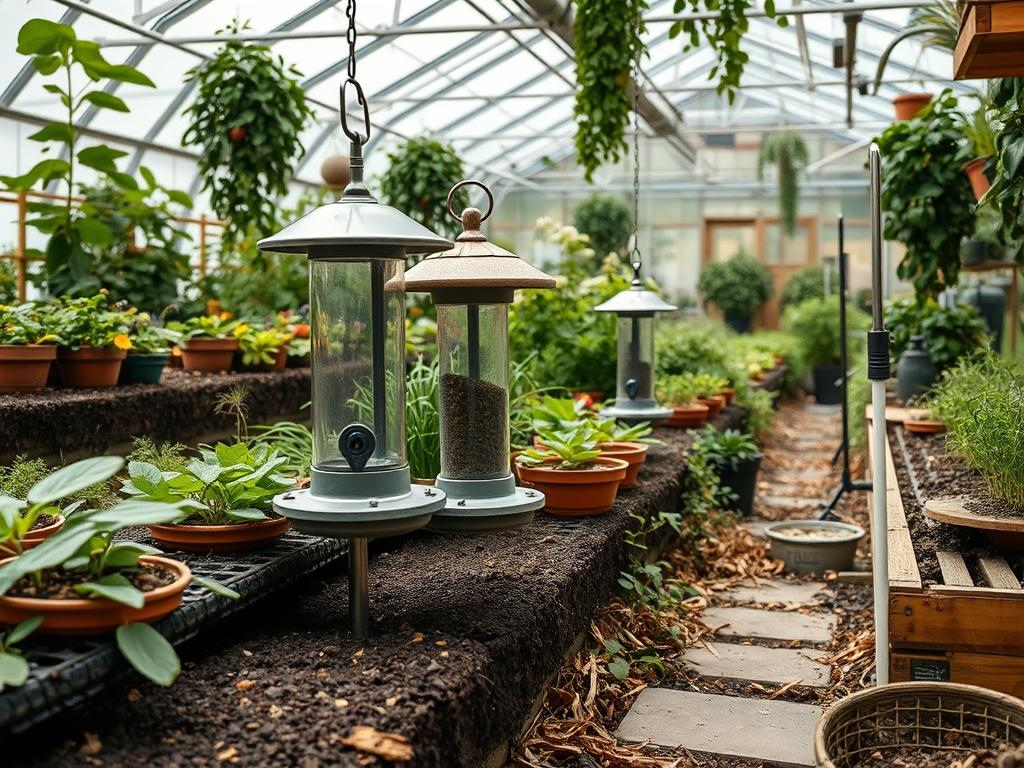
Modern landscape architecture is evolving toward a sophisticated intersection of aesthetic perfection and functional biodiversity. The historical challenge for many designers was creating a space that looked pristine while simultaneously inviting the messy, unpredictable beauty of local wildlife. Traditionally, bird feeders were seen as clunky or distracting additions that clashed with clean lines and formal garden structures. However, the emergence of high-tech bird feeders has transformed these devices into the ultimate wildlife tech, allowing homeowners to monitor their garden ecosystems with artificial intelligence while maintaining a high-end visual landscape. Integrating these devices requires a deep understanding of climate considerations, as the placement must account for local weather patterns to protect internal electronics. Furthermore, these feeders impact curb appeal by acting as interactive focal points that bridge the gap between hardscaping and the natural world. Achieving outdoor functionality goals now includes providing a habitat that is as smart as the home it surrounds.
Landscape Design Principles
When integrating high-tech bird feeders into a professional plan, the principles of symmetry and focal points remain paramount. A feeder should not be an afterthought. Instead, it should be positioned at a terminal vista or visible from a primary interior window to maximize the utility of its integrated cameras. Visual balance is achieved by anchoring the feeder station with structured plantings. For instance, a 4K Camera Bird Feeder mounted on a Steel Pedestal can be flanked by symmetrical groupings of Boxwood to create a formal entry to the “wild” zone of the garden.
Elevation layers are equally critical in this design. High-tech feeders often require a clear line of sight for motion sensors to function without being tripped by swaying branches. Designers should employ a tiered planting strategy, placing lower ground covers like Creeping Thyme near the base, followed by medium-height perennials, and finally taller canopy trees that serve as a safe staging area for birds. Irrigation planning must also be adjusted; moisture-sensitive tech should never be directly in the path of a high-pressure Rotary Sprinkler Head. Instead, use Drip Irrigation lines buried beneath 3 Inches of Cedar Mulch to keep surrounding plants hydrated without risking water intrusion into the feeder’s battery compartment.
Plant and Material Selection
The following table outlines high-performance plants that complement the presence of high-tech bird feeders by providing natural cover and secondary food sources.
| Plant Type | Sun Exposure | Soil Needs | Water Demand | Growth Speed | Maintenance Level |
| :— | :— | :— | :— | :— | :— |
| Purple Coneflower | Full Sun | Well-drained | Low | Moderate | Low |
| Serviceberry Tree | Partial Shade | Loamy | Medium | Fast | Moderate |
| Switchgrass | Full Sun | Adaptable | Low | Moderate | Low |
| Winterberry Holly | Full Sun/Part Shade | Acidic/Moist | High | Slow | Moderate |
| Wild Bergamot | Full Sun | Poor to Average | Moderate | Fast | Low |
| Oakleaf Hydrangea | Shade/Part Sun | Rich/Organic | Medium | Moderate | Moderate |
Implementation Strategy
Executing a professional layout begins with site grading. The area designated for the wildlife tech must be stable and level to prevent its mounting post from leaning over time. Start by excavating a 12-inch Diameter Hole to a depth of 24 Inches for the main support post. Using Quick-set Concrete, anchor a Powder-Coated Steel Post into the ground, ensuring it is perfectly plumb with a Spirit Level. This post will serve as the mounting point for the high-tech bird feeder, providing the stability needed for clear, vibration-free video recording.
Once the post is set, establish the surrounding hardscape. Use Steel Edging to define a crisp border between the lawn and the feeder’s “splash zone,” which is often prone to seed hulls. Fill this area with Crushed Granite or River Rock rather than organic mulch to facilitate easier cleanup and prevent the growth of mold or unwanted sprouts. If the feeder requires a wired power source, bury UF-B Rated Direct Burial Cable inside 1/2-inch PVC Conduit at a depth of at least 12 Inches to comply with standard safety codes. Finally, layer your plantings according to the elevation plan, ensuring that no foliage obscures the camera’s field of view within a 10-foot Radius.
Common Landscaping Failures
One of the most frequent mistakes in tech-integrated landscaping is improper drainage. If a feeder is placed in a topographic low point, water will pool around the base, leading to soil saturation that can destabilize the mounting post or cause high humidity levels that fog camera lenses. Another failure is root overcrowding. Planting large, fast-growing trees too close to the feeder’s foundation can result in root heave, which will eventually tilt the equipment and ruin the aesthetic symmetry of the design.
Improper spacing is also a major concern. High-tech feeders utilize PIR sensors to detect movement; if ornamental grasses like Karl Foerster Feather Reed Grass are planted too close, wind-driven movement will trigger thousands of false notifications on the user’s smartphone. Irrigation inefficiencies also pose a threat. Overspray from Pop-up Spray Heads can leave mineral deposits on lens glass, permanently etching the surface and reducing video clarity. Designers must ensure that all irrigation components are directed away from the hardware or utilize Pressure-Compensating Emitters for precision.
Seasonal Maintenance
Landscape management must adapt to the requirements of the high-tech bird feeder throughout the year. In the spring, the focus is on pruning. Any new growth that has entered the camera’s “keep-out zone” must be trimmed back with Bypass Pruners. This is also the time to check the tension of any cable runs and ensure the mounting hardware hasn’t loosened during the winter freeze-thaw cycles.
Summer maintenance involves managing the heat. Ensure that the feeder’s solar panels are wiped clean of pollen and dust using a Microfiber Cloth to maintain maximum charging efficiency. During autumn, the primary task is debris removal. Falling leaves can clog the drainage holes of the seed tray, leading to fermentation and potential damage to the bottom-mounted sensors. Use a Leaf Blower on a low setting or a Stiff-Bristle Brush to clear the area. Winter requires the most technical care. In regions with heavy snow, the camera lens should be checked for ice buildup. If the feeder uses lithium-ion batteries, monitor their discharge rate in temperatures below 32 Degrees Fahrenheit, as cold weather significantly reduces battery life and may require more frequent manual charging if solar gain is pathologically low.
Professional Landscaping FAQ
Where is the best place to install a high-tech bird feeder?
Locate the feeder approximately 10 to 15 Feet from natural cover like Evergreen Shrubs. This distance is close enough for birds to feel secure but far enough to prevent squirrels from jumping onto the electronic housing.
How do I prevent my irrigation system from damaging the electronics?
Utilize a Drip Irrigation System with specialized emitters. This keeps moisture at the root zone of your Perennials and away from the feeder post, preventing lens fogging and mineral buildup on the camera sensor.
Can I integrate these feeders into a xeriscaped garden?
Yes, high-tech feeders pair perfectly with xeriscaping. Use Decomposed Granite and Native Succulents to create a low-maintenance, high-contrast environment that emphasizes the sleek, modern lines of the wildlife technology while conserving water.
What is the best way to hide power cables for these devices?
Bury Electrical Conduit at least 12 Inches underground. Use a Trenching Spade to create a narrow path that minimizes root disturbance to existing Shade Trees, then disguise the exit point with Large Decorative Boulders.
How often should I clean the area around the feeder?
Perform a deep clean every 2 to 4 Weeks. Remove accumulated seed hulls from the River Rock base to prevent nitrogen spikes in the soil, which can harm nearby Sensitive Plant Species and attract unwanted rodents.