
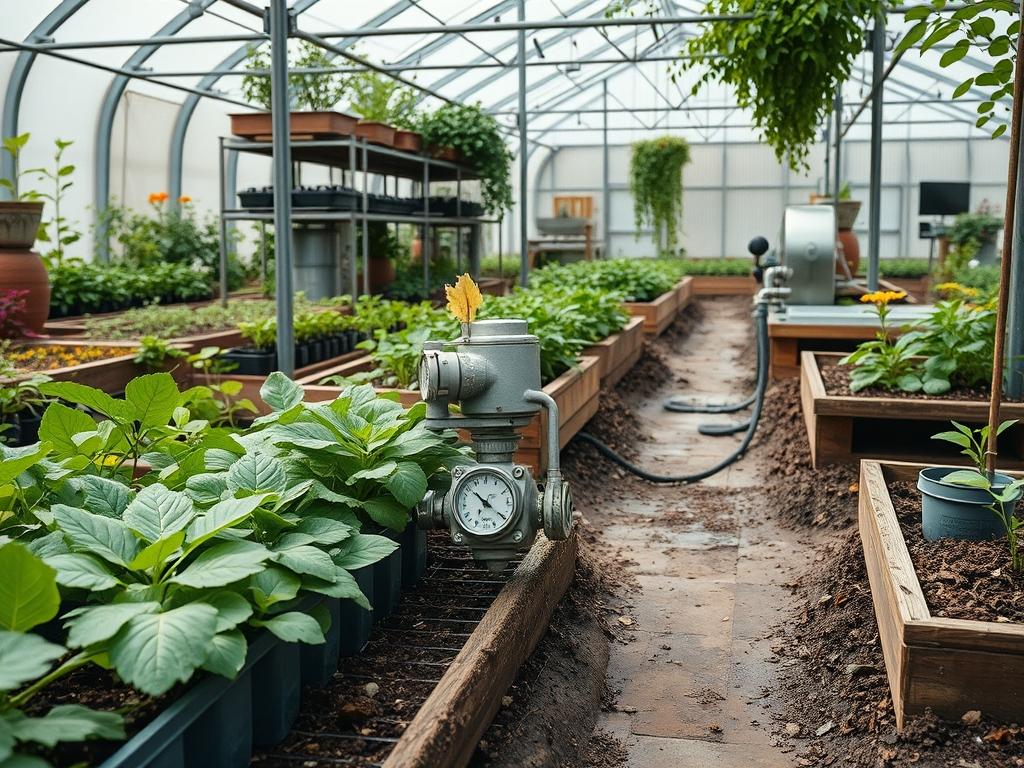
Modern landscape architecture demands a seamless integration between aesthetic grandeur and technological precision. When designing a high-end residential or commercial outdoor environment, the primary challenge often lies in maintaining a lush, vibrant aesthetic while navigating unpredictable climate patterns and rising water costs. A beautiful garden loses its appeal the moment the turf begins to brown or the soil becomes oversaturated due to inefficient water distribution. This is where the engineering of a Smart Valve Manifold Setup becomes critical. This system serves as the central nervous system of your property, ensuring that every drop of water is utilized with surgical accuracy. By automating delivery and monitoring flow, these manifolds protect your investment, improve curb appeal through consistent growth, and provide the functional reliability required for modern outdoor living.
Landscape Design Principles
Effective landscape design is rooted in the concepts of balance and rhythm. Symmetry often dictates the formal structure of a yard, where mirrored plant beds create a sense of order and serenity. However, in more organic, contemporary designs, we use focal points like architectural trees or water features to draw the eye through the space. Elevation layers play a vital role here as well. By using retaining walls and tiered planters, a designer can create depth and visual interest in even the flattest of yards.
Irrigation planning must be the first layer of the design process, not an afterthought. When we plan walkways or patios, we must account for the subterranean infrastructure. A Smart Valve Manifold Setup should be located in a discreet yet accessible area, typically near the perimeter of the home or within a hidden utility zone. Proper irrigation planning follows the logic of hydro-zoning, which is the practice of grouping plants with similar water needs together. This prevents the overwatering of drought-tolerant species while ensuring that thirsty ornamental shrubs receive sufficient hydration. By aligning the manifold zones with these hydro-zones, the landscape remains balanced and healthy across all elevations and micro-climates.
Plant and Material Selection
Selecting the right materials and flora is essential for both the longevity of the manifold system and the overall health of the garden. Large trees with invasive root systems should never be planted directly over main irrigation lines. Instead, we select plants that complement the soil type and the specific sun exposure of each zone.
| Plant Type | Sun Exposure | Soil Needs | Water Demand | Growth Speed | Maintenance Level |
| :— | :— | :— | :— | :— | :— |
| English Boxwood | Full Sun to Shade | Well-Drained | Moderate | Slow | Medium |
| Lavender | Full Sun | Sandy/Gravelly | Low | Moderate | Low |
| Japanese Maple | Partial Shade | Loamy/Acidic | Moderate | Slow | High |
| Fescue Grass | Full Sun to Part Shade | Rich/Clay-based | High | Fast | High |
| Agave | Full Sun | Dry/Porous | Minimal | Slow | Very Low |
| Hydrangea | Partial Shade | Moist/Organic | High | Fast | Medium |
Implementation Strategy
The successful installation of a Smart Valve Manifold Setup begins with meticulous grading and excavation. The site must be graded to ensure that surface water flows away from the home and away from the manifold vault to prevent subterranean flooding. Start by digging a trench that is at least 12 inches deep to protect the PVC piping from surface traffic and temperature fluctuations.
Once the trenches are prepared, the manifold assembly begins. We recommend using 1-inch Schedule 40 PVC for the main supply line and Class 200 PVC for the lateral lines. The manifold itself should be housed in a Jumbo Valve Box supported by a 3-inch layer of pea gravel at the bottom. This gravel layer is crucial for drainage and prevents the valves from sitting in stagnant mud after a heavy rain or a minor leak. Use Teflon tape and pipe thread sealant on all threaded connections to ensure a leak-proof seal.
When installing the smart valves, choose units equipped with Flow Sensors and Master Valve functionality. These components allow the smart controller to detect abnormal flow rates and automatically shut down the system if a pipe bursts, preventing catastrophic soil erosion. After the valves are wired to the Smart Irrigation Controller using 18-gauge direct burial wire, the system should be pressure tested for 24 hours before the trenches are backfilled. Finally, apply a 4-inch layer of hardwood mulch over the planting beds to retain moisture and suppress weeds, taking care not to bury the lid of the manifold box.
Common Landscaping Failures
The most frequent failure in residential landscapes is improper drainage around the irrigation hub. If the manifold box is placed at a low point in the yard without adequate gravel drainage, the solenoids and wiring will eventually corrode, leading to electrical failure. Another common mistake is root overcrowding. Planting a fast-growing species like a Willow Tree too close to the manifold will result in roots infiltrating the valve box or crushing the polyethylene tubing.
Soil compaction also ruins many high-end designs. When heavy machinery or frequent foot traffic compresses the earth, it destroys the pore space required for water and oxygen to reach plant roots. In zones with high compaction, irrigation water will often run off the surface rather than penetrating the soil, making your Smart Valve Manifold Setup work harder for less results. Finally, many installers fail to use manifold unions. Without unions, the entire manifold must be cut apart if a single valve needs replacement. Using threaded unions allows for easy maintenance and protects the long-term integrity of the setup.
Seasonal Maintenance
Landscape management is a year-round commitment that changes with the seasons. In the spring, you must perform a system startup. This involves slowly opening the main water valve to avoid a water hammer and checking each zone for clogged spray nozzles or broken rotor heads. It is also the time to apply a fresh layer of organic compost to boost soil nutrients.
As summer arrives, the focus shifts to monitoring. A Smart Valve Manifold Setup is invaluable during heatwaves, as it can be programmed to perform “cycle and soak” watering. This method applies water in short bursts, allowing time for the soil to absorb the liquid before the next application, which reduces evaporation loss. You should also check the rain sensor to ensure the system is not running during afternoon thunderstorms.
Autumn requires a gradual reduction in watering frequency as plants enter dormancy. This is the optimal time for aeration and overseeding of cool-season grasses. Winter maintenance is perhaps the most critical for the manifold. In colder climates, the entire system must be winterized using a high-volume air compressor to blow out all standing water from the lines. Leaving water in the valves over winter will result in cracked valve bodies and expensive spring repairs.
Professional Landscaping FAQ
How does a smart manifold prevent leaks?
A smart manifold uses Flow Sensors to monitor real-time water movement. If the system detects flow when no zones are active, it triggers the Master Valve to shut off the water supply, preventing significant property damage and water loss.
What is the best depth for irrigation pipes?
Main lines should be buried at a minimum depth of 12 to 18 inches to avoid freezing and physical damage. Lateral lines leading to individual heads are typically buried 8 to 12 inches deep depending on local building codes.
Can I use a smart manifold with native plants?
Yes, it is highly recommended. While native plants are drought-tolerant, they require consistent supplemental water during their first two years of establishment. A smart system ensures they receive exactly what they need without wasting water on established specimens.
Why is pea gravel necessary inside the valve box?
Pea gravel provides a stable, clean base for the valves. It facilitates drainage so that water from leaks or rain does not submerge the electrical solenoids, which would lead to short circuits and premature component failure.
How often should I update my irrigation controller settings?
If you use a Smart Wi-Fi Controller, it will update daily based on local weather data. For manual systems, you should adjust the timing at least four times a year to reflect seasonal changes in ET or evapotranspiration rates.