
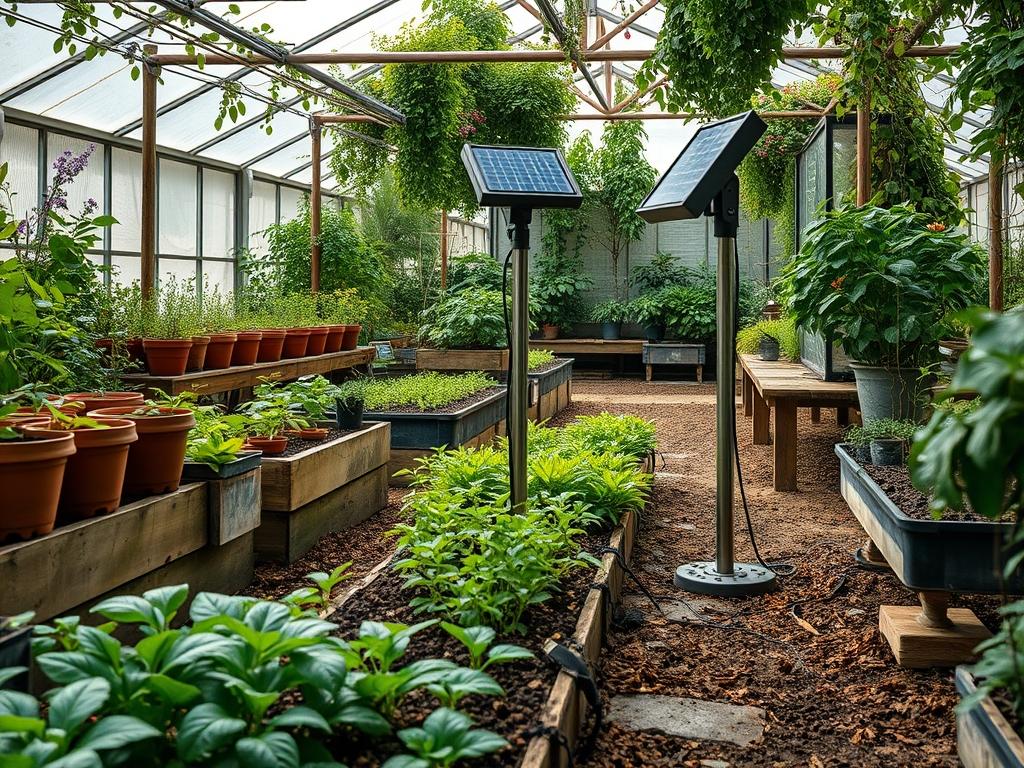
Achieving a professional standard in residential landscaping requires a nuanced understanding of how environmental factors interact with curated structural elements. One of the most significant challenges in modern landscape architecture is managing the transition from daylight to evening without compromising the aesthetic integrity of the site. Lighting determines how a space is perceived after sunset, yet traditional hardwired systems are often cost-prohibitive and difficult to retrofit into established gardens. Conversely, standard solar fixtures frequently suffer from inconsistent output and dim illumination because of fixed photovoltaic panels that cannot capture peak solar radiation. This is where the integration of Solar Tracking Garden Lights becomes a transformative strategy. By utilizing internal sensors to shift their orientation toward the sun throughout the day, these units maximize energy absorption. This increased efficiency results in an authentic high-lumen output that rivals traditional low-voltage systems, ensuring that your carefully selected focal points, such as a Specimen Japanese Maple or a bespoke Water Feature, remain visible and vibrant. Superior brightness is not merely about intensity; it is about providing a reliable, sustained glow that defines the garden’s boundaries and enhances the safety of transit through the outdoor environment.
Landscape Design Principles
Successful garden planning relies on the fundamental principles of symmetry and visual balance, which dictate how the eye moves across the terrain. When establishing a new layout, the landscape architect must consider the relationship between positive and negative space. Focal points serve as the anchors of the design, frequently taking the form of large Statuary, Borealis Boulders, or high-contrast plant groupings. To elevate these features, we use elevation layers, often referred to as the “staircase effect.” This involves placing ground-level covers in the foreground, mid-sized shrubs in the center, and tall structural trees at the rear. This layering creates depth and prevents the landscape from appearing flat or one-dimensional.
Symmetry can be formal, with mirrored beds on either side of a central Stone Walkway, or informal, using asymmetrical groupings of plants that carry similar visual weight. To maintain this balance at night, the placement of lighting is critical. Solar Tracking Garden Lights provide a distinct advantage here because their superior brightness allows for wider spacing between fixtures while still maintaining a continuous wash of light along paths. Furthermore, when planning irrigation, it is essential to map out zones that prevent overspray onto your lighting components. Even though professional-grade solar units are rated for moisture resistance, minimizing direct water impact from high-pressure Rotor Sprinklers prolongs the life of the optical lenses and solar cells.
Plant and Material Selection
Selecting the right materials and flora is a balancing act between aesthetic desire and the biological realities of your specific microclimate. Professional designers prioritize native species that have adapted to local rainfall patterns and soil chemistry. Below is a selection of versatile plants often used in high-end projects.
| Plant Type | Sun Exposure | Soil Needs | Water Demand | Growth Speed | Maintenance Level |
| :— | :— | :— | :— | :— | :— |
| Boxwood (Buxus) | Full to Partial | Well-drained | Moderate | Slow | Medium |
| Lavender (Lavandula) | Full Sun | Sandy, Rocky | Low | Moderate | Low |
| Hostas (Selection) | Full Shade | Moist, Rich | High | Moderate | Low |
| Oakleaf Hydrangea | Partial | Loamy, Acidic | Moderate | Fast | Medium |
| Switchgrass | Full Sun | Adaptable | Low | Fast | Very Low |
| Dwarf Fountain Grass | Full Sun | Well-drained | Low | Moderate | Low |
For hardscaping, the choice of material should complement the architectural style of the home. Decomposed Granite provides a rustic, permeable surface for pathways, while Bluestone Pavers offer a sophisticated, clean-lined appearance for patios. When installing these materials, always use a Compactor to create a stable base of Crumbed Rock and Stone Dust. This prevents shifting and ensures that your lighting fixtures remained plumb over time.
Implementation Strategy
The execution of a landscape plan begins with thorough site preparation. Grading is the first and most vital step; the soil must be sloped away from the foundation of the house at a minimum of a 2-percent grade. This prevents water from pooling near the structure and protects the root systems of your plants from rot. Once the grading is established, utilize Stake and String methods to mark the perimeter of garden beds and the location of hardscaping elements.
Edging should be installed next to provide a crisp transition between turf and planting areas. Steel Edging or Aluminum Strips are preferred for their durability and slim profile. After the borders are set, the installation of Solar Tracking Garden Lights should be mapped out. Because these units track the sun, they require a clear line of sight to the southern sky, if in the northern hemisphere, to function at peak capacity.
Drainage solutions like French Drains or Dry Creek Beds should be integrated into low-lying areas to manage runoff. When it comes to the planting phase, ensure each hole is dug twice as wide as the root ball but no deeper. Applying a 3-inch layer of hardwood mulch is the final step in the implementation process. This layer suppresses weeds, regulates soil temperature, and provides a polished finish to the project.
Common Landscaping Failures
The most frequent error in DIY and even some professional landscapes is the failure to account for the mature size of plants. Root overcrowding occurs when Spruce or Oak trees are planted too close to walkways or foundations; this eventually leads to the buckling of pavers and structural damage. Improper spacing also restricts airflow, which increases the likelihood of fungal infections in the foliage.
Soil compaction is another silent killer in the garden. During construction, the use of heavy machinery often crushes the soil structure, eliminating the air pockets necessary for root respiration. To fix this, use an Auger or Broadfork to aerate the soil before planting. Irrigation inefficiencies are also common; many homeowners over-water, leading to “wet feet” and nutrient leaching. Installing a Smart Irrigation Controller and a Rain Sensor can mitigate these issues significantly. Finally, poor lighting choice is a major failure. Standard solar lights often lose their charge by midnight, leaving pathways dark and hazardous. Investing in Solar Tracking Garden Lights ensures that the brightness remains consistent until dawn, providing both beauty and security.
Seasonal Maintenance
Landscape management is a year-round commitment that changes with the cycles of the environment. In the spring, the focus is on rejuvenation. This involves removing winter debris, applying a balanced 10-10-10 Fertilizer, and pruning any deadwood from shrubs. This is also the time to clean the photovoltaic panels on your Solar Tracking Garden Lights using a soft, damp cloth to ensure maximum sunlight absorption as the days grow longer.
During the summer, the priority shifts to hydration management. Monitor your irrigation system for blocked nozzles and adjust the timing to early morning hours to minimize evaporation. Summer is also the peak season for pests, so regular inspections of the underside of leaves are necessary.
As autumn approaches, leaf removal becomes the primary task. Decaying leaves can suffocate turf and create a slip hazard on stone paths. This is the ideal time for planting new perennials and trees, as the cooler temperatures allow roots to establish without the stress of extreme heat. In the winter, protect sensitive plants with Burlap Wraps and ensure that your solar lights are cleared of snow. Since the sun is lower in the sky during winter, the tracking technology in your lights becomes even more valuable, as it pivots the panel to capture the limited available light at an optimal angle.
Professional Landscaping FAQ
How do solar tracking lights differ from standard solar lights?
Standard lights have fixed panels that only catch direct sunlight for a few hours. Solar Tracking Garden Lights use a motorized or sensor-based system to follow the sun arc, resulting in significantly higher battery charging and superior nighttime brightness.
What is the best way to improve soil drainage?
Incorporate organic matter like Compost to improve soil structure. For severe issues, install a French Drain consisting of a perforated pipe buried in a trench filled with Gravel to redirect excess water away from planting beds.
How deep should I apply mulch in my garden beds?
A depth of 3 inches is the professional standard. This is thick enough to retain moisture and suppress weeds but thin enough to allow the soil to breathe. Avoid “mulch volcanoes” piled against the trunks of trees.
Can I install Solar Tracking Garden Lights in shady areas?
Performance will be reduced in deep shade. However, because they track the sun, they can often capture “flecks” of light in partial shade that fixed panels would miss, making them more effective than traditional solar options in varied light.
When is the best time of year to prune shrubs?
Most flowering shrubs should be pruned immediately after their bloom cycle ends. For non-flowering evergreens like Boxwoods, late winter or early spring is ideal to encourage a flush of new growth as temperatures begin to rise.