
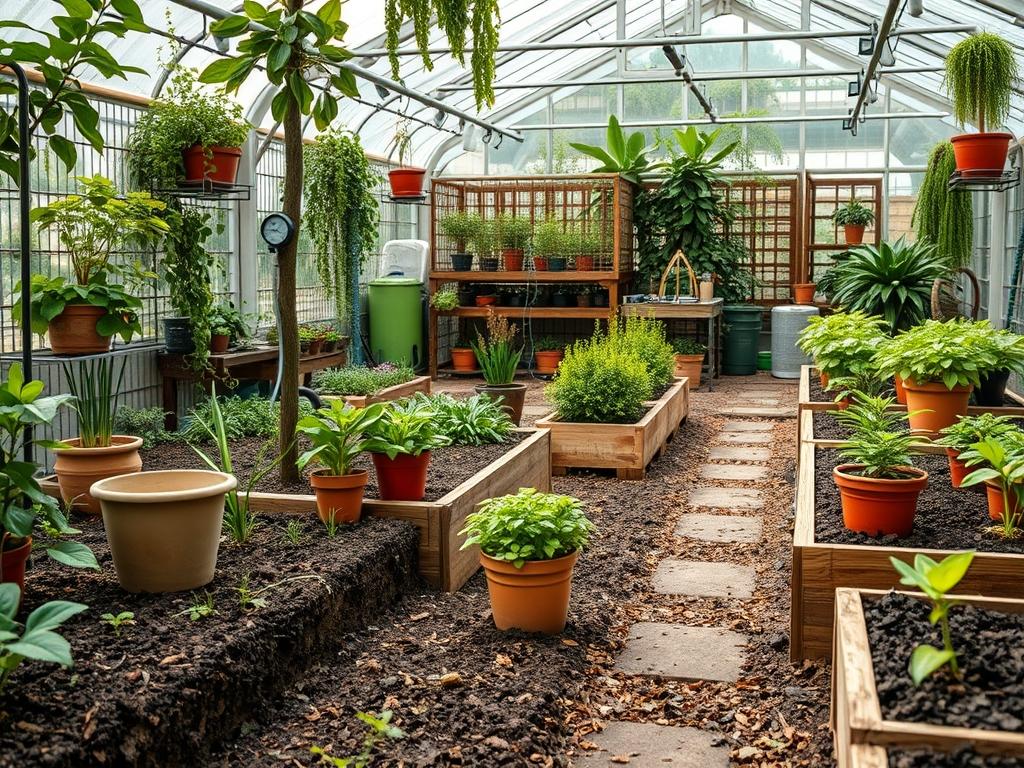
The modern residential landscape is currently undergoing a significant shift as urban density increases and property lines tighten. For homeowners, the main challenge is no longer just about aesthetics, it is about reclaiming the quiet sanctuary of the backyard from neighboring views and noise pollution. Smart Outdoor Privacy Tech has emerged as a critical component in the landscape architect’s toolkit, offering a bridge between traditional horticultural screening and high-performance engineering. When we design these environments, we must consider regional climate fluctuations, local zoning ordinances, and the long-term impact on curb appeal. A successful privacy strategy does not just build a wall; it creates a multi-sensory boundary that enhances the functionality of the outdoor living space.
Implementing these systems requires a deep understanding of site conditions and environmental stressors. For instance, incorporating motorized louvered pergolas or automated retractable screens allows a patio to transform from an open-air deck to a private enclosure at the touch of a button. These technological solutions provide immediate relief where traditional hedgerows might take years to reach their mature height. Furthermore, by integrating sensor-driven misting systems or smart water features, we can create auditory privacy through white noise, effectively masking the sound of nearby traffic or neighbors. This holistic approach ensures that the yard feels secluded without feeling claustrophobic or disconnected from the natural world.
Landscape Design Principles
Professional landscape design relies on a rigorous adherence to symmetry, focal points, and elevation layers. When integrating Smart Outdoor Privacy Tech, these principles ensure the equipment does not look like an afterthought. Symmetry is achieved by balancing high-tech structures, such as aluminum privacy panels, with organic elements like boxwood hedges. Focal points should lead the eye toward intentional design features, such as a fire pit or a custom sculpture, rather than toward the privacy equipment itself. By utilizing elevation layers, we can use tiered retaining walls and varied plant heights to create depth, making a small yard feel significantly more expansive.
Irrigation planning is perhaps the most overlooked aspect of high-tech landscaping. Each zone must be calculated based on the specific water demands of the plant material while ensuring that electronics and motorized components remain protected from overspray. Walkways should be planned to provide logical flow across the property, using natural stone pavers or decomposed granite to connect different outdoor rooms. Visual balance is maintained by mixing textures, such as the sleek lines of a smart glass partition with the soft, feathery foliage of ornamental grasses.
Plant and Material Selection
Selecting the right materials is the foundation of any privacy-focused landscape. The following table highlights several plant species and materials that work well in conjunction with smart screening technology.
| Plant or Material Type | Sun Exposure | Soil Needs | Water Demand | Growth Speed | Maintenance Level |
| :— | :— | :— | :— | :— | :— |
| Green Giant Arborvitae | Full to Partial | Well-drained | Moderate | Fast | Low |
| Skyrocket Juniper | Full Sun | Sandy/Loam | Low | Medium | Low |
| Japanese Yew | Shade to Sun | Moist/Loam | Moderate | Slow | Medium |
| Bamboo (Clumping) | Full Sun | Rich/Moist | High | Very Fast | High |
| Aluminum Screen | N/A | Stable Base | None | N/A | Very Low |
| Treated Cedar | N/A | Ground Contact | None | N/A | Medium |
Implementation Strategy
The transition from a conceptual design to a physical landscape requires a structured implementation strategy. The first step involves a comprehensive site analysis to determine the current grading and drainage patterns. If the site is not graded correctly, water will pool around the foundations of your privacy structures or drown the root systems of your screening plants. Once the site is leveled, we mark the layout using surveyor stakes and string lines to ensure precision in the placement of hardscaping elements like retaining walls and paver patios.
During the excavation phase, focus on installing the necessary underground infrastructure for your Smart Outdoor Privacy Tech. This includes running conduit for electrical lines and low-voltage lighting, as well as installing the primary irrigation lines. Edging is then installed to create a clean transition between turf and planting beds. We prefer a heavy-gauge steel edging to maintain crisp lines over time. After the plants are positioned and the smart screens are anchored, we apply a layer of organic mulch at a depth of 3 inches. This mulch helps retain moisture, regulates soil temperature, and provides a polished finish to the project.
Common Landscaping Failures
Many landscaping projects fail because of a lack of foresight regarding the growth habits of plants and the physics of water movement. Drainage mistakes are the most frequent culprit, where homeowners accidentally create “bathubs” by surrounding a low-point with non-porous materials or compacted soil. When water cannot escape, it leads to root rot and the eventual failure of expensive privacy trees. Soil compaction is another silent killer; using heavy machinery without properly aerating the ground afterward prevents oxygen and water from reaching the roots, causing the plants to enter a state of permanent stress.
Improper spacing is a common error in privacy screening. It is tempting to plant Leyland Cypresses or Privet Hedges too close together to achieve an immediate wall of green, but this leads to root overcrowding and competition for nutrients. Within a few years, the interior branches will die off due to a lack of sunlight and airflow, leaving a hollowed-out and unsightly screen. Furthermore, irrigation inefficiencies often arise when rotors and spray heads are not properly calibrated. Overwatering can be just as damaging as underwatering, particularly for species that require well-oxygenated soil.
Seasonal Maintenance
To keep both the organic and technological components of your landscape in peak condition, a seasonal maintenance schedule is mandatory. In the spring, the focus is on rejuvenation. This involves testing the automated irrigation system, cleaning the filters on smart water features, and applying a balanced slow-release fertilizer to all screening plants. Pruning should be performed on deciduous trees before bud break to maintain the desired shape and density.
Summer maintenance centers on water management and pest control. During periods of extreme heat, the smart irrigation controllers should be adjusted to water deeply and less frequently, encouraging deep root growth. Inspect the foliage for signs of spider mites or aphids, which thrive in the dry heat. Autumn is the time for preparation. This is when we plant new bulbs, clean out gutters, and apply a fresh layer of mulch to insulate roots against the coming frost. Finally, in the winter, smart screens and motorized awnings should be retracted or winterized to avoid damage from heavy snow loads or ice accumulation. It is also the ideal season for structural pruning of dormant trees to ensure they can withstand winter winds.
Professional Landscaping FAQ
How does smart privacy tech integrate with existing yards?
Most systems utilize low-voltage wiring or wireless bridges. We hide controllers in weatherproof enclosures and camouflage conduit along the base of fences or within the mulch layers to maintain a clean, professional aesthetic without disrupting existing plants.
What is the best way to prevent water damage to outdoor electronics?
Position electronic components like smart controllers and motorized sensors at least 12 inches above the maximum splash zone. Use high-quality silicone sealants on all wire entry points and ensure that all equipment is rated for outdoor use.
How deep should the footings be for privacy panels?
In most regions, footings for heavy aluminum or steel privacy panels should reach below the local frost line, typically between 24 and 36 inches. This prevents soil heaving from tilting the panels during winter freeze-thaw cycles.
Are there native plants that work well for privacy?
Yes, choosing native species like American Holly or Western Red Cedar reduces water demand and maintenance. Natives are adapted to local soil conditions and provide essential habitats for local pollinators while offering year-round visual density.
Can smart tech help with noise reduction in the yard?
Smart water features with adjustable pump speeds can be programmed to increase flow during peak traffic hours. This creates a consistent auditory mask that disrupts the path of neighbor noise, significantly improving the perceived privacy of the space.