
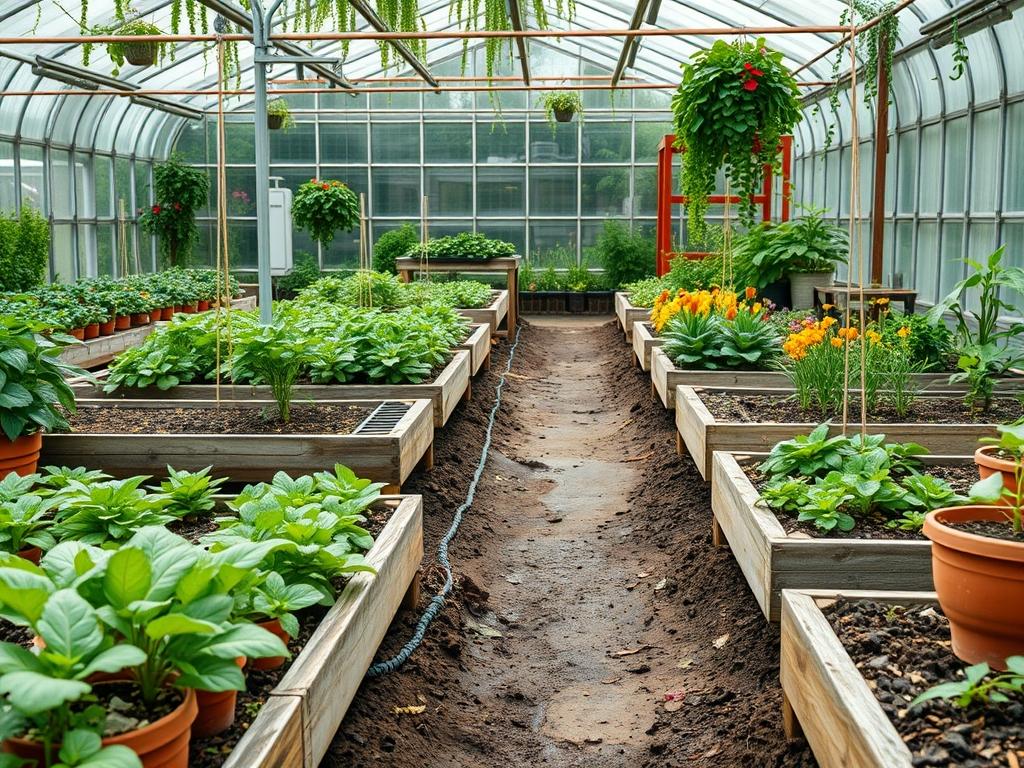
Modern landscape architecture requires a delicate balance between aesthetic elegance and biological sustainability. The traditional approach of static planting often ignores the depletion of micronutrients over time, leading to a landscape that looks beautiful for one season but fades in its second or third year. To combat this, professional designers are increasingly turning to AI-driven crop rotation technology. By applying agricultural principles to residential and commercial landscaping, we can ensure that soil health remains at its peak while maintaining high curb appeal. This strategy involves more than just swapping flowers; it is a systematic approach to managing the biological load of a site. Through the use of sophisticated algorithms, planners can predict nutrient deficiencies before they manifest as yellowing leaves or stunted growth. This methodology transforms the backyard from a static display into a living, breathing ecosystem that thrives on diversity and cyclical change.
The primary challenge in modern landscaping is creating a space that is as functional as it is beautiful. Outdoor living areas now serve as extensions of the home, requiring careful consideration of drainage, foot traffic, and visual harmony. When soil becomes compacted or nutrient-poor, the entire design suffers. Native plants can struggle, and expensive sod may fail to take root. By integrating AI-driven crop rotation apps into the initial planning phase, we can map out a multi-year strategy for every planting bed. These apps analyze data points such as historical weather patterns, soil pH levels, and the specific nitrogen-fixing capabilities of various species. The result is a landscape that regenerates itself, reducing the need for chemical fertilizers and excessive irrigation.
Landscape Design Principles
Successful design begins with the concept of symmetry and visual balance. In a professional landscape, focal points like a custom retaining wall or a high-end water feature anchor the space, while surrounding vegetation provides the texture and color. However, true balance is also biological. A designer must consider the elevation layers of the garden, ensuring that taller canopy trees do not unfairly compete for nutrients with shorter perennials. Using AI-driven crop rotation allows the architect to visualize how the landscape will change across a five-year horizon. Instead of planting a monoculture that invites pests, the design incorporates a variety of families that change positions periodically.
Elevation and irrigation planning are equally critical. A site with a steep grade requires specific placement of groundcover to prevent erosion, while lower areas must be planned with drainage in mind. When these structural elements are combined with rotating plant cycles, the soil structure improves. For example, deep-rooted plants can be rotated into areas where soil compaction is a concern, naturally aerating the earth without the need for mechanical intervention. Walkways and hardscaped paths should act as the permanent skeleton of the garden, providing clear boundaries for the rotating “cloverleaf” beds where the AI suggests seasonal transitions. This creates a rhythmic, evolving aesthetic that keeps the property looking fresh and well-maintained.
Plant and Material Selection
Selecting the right materials involves understanding the symbiotic relationship between plants and their environment. The following table outlines various plant types that can be cycled through a landscape to maintain high soil quality and visual interest.
| Plant Type | Sun Exposure | Soil Needs | Water Demand | Growth Speed | Maintenance Level |
| :— | :— | :— | :— | :— | :— |
| Legumes (Clover/Peas) | Full Sun | Well-drained | Low to Medium | Fast | Low |
| Brassicas (Kale/Mustard) | Partial Shade | Rich Loam | Medium | Moderate | Medium |
| Nightshades (Peppers) | Full Sun | High Organic | High | Moderate | High |
| Ornamental Grasses | Full Sun | Any | Low | Moderate | Low |
| Root Crops (Radish/Carrot) | Full Sun | Sandy/Loose | Medium | Fast | Moderate |
| Marigolds | Full Sun | Standard | Low | Fast | Low |
Materials such as shredded hardwood mulch, pea gravel, and river rock should be chosen based on their ability to regulate soil temperature and moisture. AI-driven crop rotation apps often suggest specific organic mulches that break down at rates compatible with the next planned crop in the cycle. For instance, if a high-nitrogen consumer is scheduled for the next season, the AI might recommend a compost-rich mulch layer in the autumn to prepare the bed.
Implementation Strategy
Implementing a rotating landscape starts with a comprehensive site analysis. Professionals use laser levels to determine the exact grading of the land, ensuring that water flows away from the home foundation and toward designated French drains or rain gardens. Once the layout is established, the application of AI-driven crop rotation begins. The user inputs the current soil profile, and the software generates a three-year planting map.
The first step in physical implementation is the removal of any invasive species and the loosening of the earth with a tiller or broadfork. After the soil is prepared, edging is installed to create clean lines between the turf and the planting beds. These edges are crucial for maintaining the integrity of the rotation zones. When planting, the root ball of each specimen should be placed at a depth that matches its previous container, and a 2-inch layer of mulch should be spread evenly to suppress weeds. Automated drip irrigation systems are then calibrated based on the water demand of the current rotation, with sensors providing real-time data to the AI app to adjust schedules according to local rainfall.
Common Landscaping Failures
One of the most frequent mistakes in backyard planning is improper drainage. When water pools near the roots of ornamental trees, it leads to root rot and eventual tree death. This is often caused by poor grading or the lack of a proper discharge point for gutter runoff. Another common failure is root overcrowding. Designers often plant for immediate density, forgetting that a White Oak or Maple will expand significantly over a decade. This causes competition for resources that even the best AI-driven crop rotation cannot fix.
Soil compaction is another silent killer of landscapes. Heavy foot traffic or the use of heavy machinery during construction can crush the air pockets in the soil, preventing oxygen from reaching roots. Furthermore, many homeowners rely on a single irrigation schedule for the entire year. This leads to irrigation inefficiencies where some plants are drowned while others go thirsty. Finally, a lack of diversity in plant selection creates a fragile system. If a single pest or disease enters a yard filled with only one species, the entire aesthetic can be destroyed in a matter of weeks.
Seasonal Maintenance
Managing a landscape throughout the year requires a disciplined schedule. In the Spring, the focus is on soil activation and the first phase of the rotation. This is the time to test pH levels and add amendments like lime or sulfur as suggested by your AI app. Mulch should be refreshed, and perennial grasses should be cut back to allow for new growth.
During the Summer, irrigation management becomes the priority. Use soaker strains to deliver water directly to the base of plants, minimizing evaporation. This is also the season for “green manure” crops in transition beds, which keep the soil covered and cool. Autumn is the ideal window for planting bulbs and applying a thick layer of organic compost. This prepares the beds for the winter dormancy period and provides the nutrients required for the next year of the rotation cycle. In Winter, maintenance shifts to hardscape inspection and structural pruning of deciduous trees. The AI app should be used during this downtime to review the previous year’s success and finalize the species list for the upcoming spring.
Professional Landscaping FAQ
How does AI help with crop rotation in small gardens?
AI algorithms analyze your specific microclimate and soil data. They provide a precise schedule for species displacement, ensuring that nutrients like nitrogen are naturally replenished. This prevents the “tired soil” syndrome commonly seen in small, repetitive garden plots.
Can I use crop rotation with ornamental flowers?
Yes, ornamental rotation is highly effective. By cycling different flower families, you break the life cycles of soil-borne pathogens. An AI app can suggest flowers that share similar aesthetic qualities but belong to different biological groups to maintain soil health.
What is the best way to prevent soil compaction?
Designate permanent walkways using pavers or flagstone to keep foot traffic off planting beds. If the soil is already compacted, use a core aerator in the spring and integrate deep-rooted cover crops as recommended by your rotation software.
Do I need a soil test before using a rotation app?
A baseline soil test is essential. It provides the AI with the starting data necessary to make accurate recommendations. Most professional labs provide a breakdown of N-P-K levels, which the app uses to calculate your rotation needs.
Will crop rotation reduce the need for pesticides?
By constantly changing the host plants in a given area, you prevent pest populations from becoming established. This ecological approach, guided by AI data, significantly reduces the reliance on chemical interventions, leading to a healthier, more organic outdoor environment.