
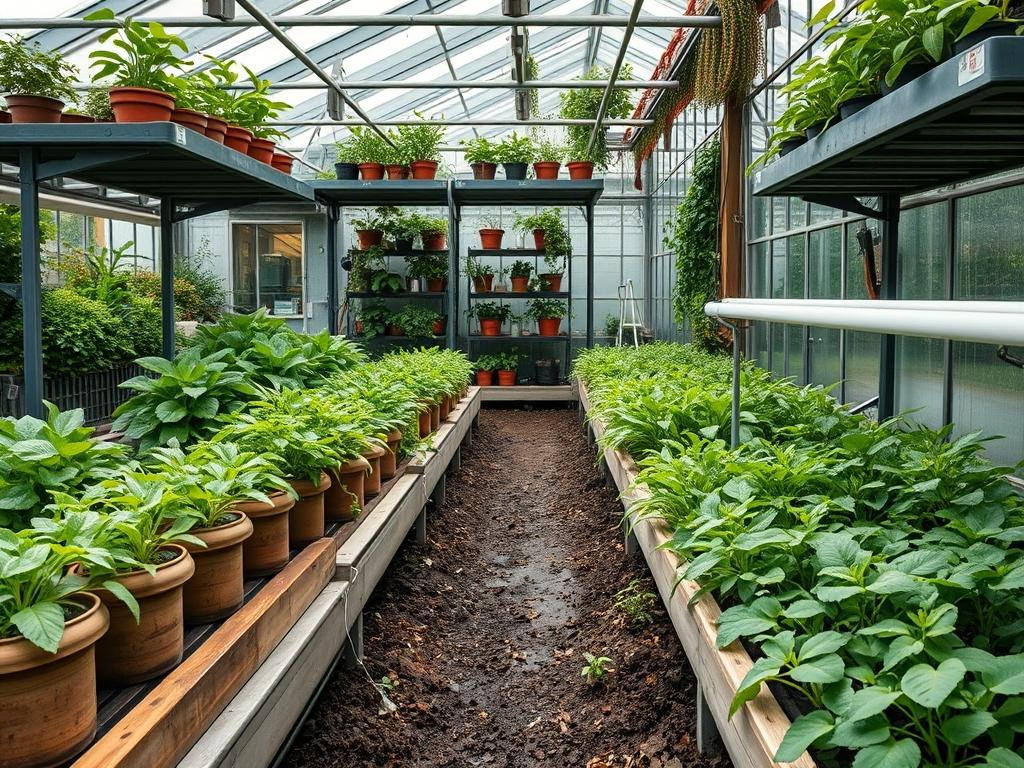
Integrating a high yield automated vertical hydroponics rack into a professional landscape requires a shift in perspective. We must view the installation not merely as a piece of agricultural equipment, but as a structural component of the outdoor environment. Modern residential and commercial landscapes now demand a synthesis of aesthetics and utility. The inclusion of automated food production systems addresses the growing desire for self sufficiency while presenting a unique vertical texture that traditional garden beds cannot provide. When we approach this from a consultant’s viewpoint, we must consider how the verticality of the rack interacts with the existing horizon line. A poorly placed rack can disrupt the visual flow of a garden, whereas a well integrated system serves as a striking focal point or a functional green screen. Climate considerations are paramount in this planning. Unlike traditional soil based gardening, hydroponic systems are susceptible to rapid temperature fluctuations within their nutrient reservoirs. Therefore, the landscaping plan must account for sun angles throughout the day, ensuring the rack receives adequate light without overheating the critical infrastructure.
The curb appeal impact of an automated vertical hydroponics system is significant. When visible from the street or a primary entrance, these structures signify a forward thinking, sustainable approach to land use. However, the industrial nature of pumps, tubes, and reservoirs must be masked or integrated through clever hardscaping and softscaping techniques. We look at the outdoor functionality goals as a dual purpose mission. We want to maximize the caloric output per square foot while maintaining a space that feels inviting and curated. This involves planning for accessibility, ensuring that the automated controller and nutrient reservoir are easy to reach for maintenance without forcing the homeowner to trample through delicate ornamental plantings.
LANDSCAPE DESIGN PRINCIPLES
Balance and symmetry are the cornerstones of successful vertical design. When incorporating a tall, linear structure like a hydroponics rack, we often use the rule of thirds to determine its placement. Positioning the rack at a junction of visual interest helps it feel grounded. For example, placing two identical racks flanking a central stone walkway creates a formal, classically inspired symmetry that offsets the modern technology of the system. We also focus on elevation layers. Because the rack naturally provides height, the surrounding plantings should transition from ground covers to mid level shrubs at the base. This creates a tiered effect that softens the rigid lines of the PVC frames or metal supports.
Focal points are essential in a large backyard. An automated vertical hydroponics system is inherently eye catching. To enhance this, we might use uplighting at the base of the rack to highlight the foliage during the evening hours. This extends the visual utility of the garden into the night. Irrigation planning for the surrounding landscape must be kept separate from the hydroponic circuit, yet they must share a cohesive drainage strategy. We recommend installing the rack on a level concrete pad or a compacted gravel base to prevent settling. If the rack is placed on a slope, a low-profile retaining wall may be necessary to provide a flat footprint. This ensures the nutrient solution stays level in the gutters or pipes, preventing overflows and ensuring even distribution to every plant.
Walkways should be wide enough to allow for a garden cart or harvesting basket. We typically recommend a minimum width of 36 inches for primary paths around the vertical system. Using materials like decomposed granite or irregular flagstone provides a natural contrast to the clean, clinical lines of the hydroponic tubes. Visual balance is achieved by repeating colors or textures found in the hydroponic crops within the ornamental landscape. If you are growing vibrant Swiss Chard with neon stems, consider planting Coral Bells or Heuchera nearby to echo those hues.
PLANT AND MATERIAL SELECTION
| Plant Type | Sun Exposure | Soil Needs | Water Demand | Growth Speed | Maintenance Level |
| :— | :— | :— | :— | :— | :— |
| Bibb Lettuce | Full to Partial Sun | None (Rockwool) | High | Fast | Low |
| Genovese Basil | Full Sun | None (Grow Plugs) | Moderate | Fast | Moderate |
| Alpine Strawberries | Full Sun | None (Coconut Coir) | High | Medium | High |
| Lacinato Kale | Full Sun | None (Clay Pebbles) | Moderate | Medium | Low |
| Peppermint | Partial Shade | None (Grow Plugs) | High | Very Fast | Moderate |
| Pak Choi | Partial Sun | None (Rockwool) | High | Fast | Low |
The choice of materials for the rack itself should reflect the surrounding architecture. Powder-coated aluminum in charcoal or bronze often blends better with contemporary homes than bright white plastic. For the growing medium, we suggest expanded clay pebbles or rockwool cubes for their neutrality and excellent aeration properties.
IMPLEMENTATION STRATEGY
The first step in backyard layout planning is conducting a site analysis. Use a laser level to determine the exact grade of the area. If the site has more than a 2 percent slope, you must perform minor grading or use a self-leveling base. Once the ground is prepared, install a weed barrier followed by a layer of crushed stone or river rock to facilitate drainage and keep the area around the rack clean.
When setting up the hardscape, ensure the 50 gallon nutrient reservoir is shielded from direct afternoon sun. This can be achieved by burying the tank partially or by building a small cedar enclosure around it. This enclosure can double as a potting bench, adding further functionality to the space. For the edging, use heavy-duty steel edging or tumbled brick to create a clean transition between the hydroponic zone and the lawn.
The vertical framework must be anchored securely. In areas prone to high winds, we use galvanized steel anchor bolts to secure the rack to the concrete base. Once the structure is up, the automation sensors for pH monitoring and EC levels should be calibrated. We recommend a mulch depth of 3 inches in the surrounding garden beds to retain moisture for the ornamental plants and to provide a finished aesthetic that hides any external plumbing lines.
COMMON LANDSCAPING FAILURES
One of the most frequent mistakes is improper drainage at the base of the rack. If water from the hydroponic system leaks or is purged during a reservoir change, it can pool and cause soil compaction or root rot in nearby ornamental plants. To avoid this, design a French drain or a dry creek bed that leads excess water away from the foundation of the home and the rack itself.
Root overcrowding within the vertical channels is another common technical failure. While it is tempting to maximize every inch, overplanting can lead to stagnant water and anaerobic conditions. Always adhere to the recommended spacing of 8 to 10 inches between medium sized plants like Kale or Basil. Furthermore, light competition is a risk in vertical systems. The top tiers may shade the bottom tiers if the rack is not oriented toward the south or if the structure is too deep.
Irrigation inefficiencies often occur when the submersible pump is underpowered for the vertical head height. If the pump has to lift water more than 6 feet, it must be rated for that specific pressure to ensure the top emitters do not run dry. Finally, many owners fail to account for the weight of the system when fully loaded with water and mature plants. A standard vertical rack can weigh several hundred pounds; a stable, non-shifting foundation is non-negotiable.
SEASONAL MAINTENANCE
In the spring, the focus is on sanitizing the system. Flush all lines with a dilute hydrogen peroxide solution to remove any winter buildup or algae. This is also the time to test your automated timers and replace any worn silicone tubing. As the weather warms into summer, monitoring the water temperature becomes a daily task. If the reservoir exceeds 75 degrees Fahrenheit, oxygen levels drop. We suggest using shading fabric or adding frozen water bottles to the tank during extreme heat waves.
Autumn is the season for transition. As the growth rate of leafy greens slows, it is time to harvest the final crops and decide if you will run a cold hardy winter crop like Spinach or Mustard Greens. If the system will be shut down for winter, drain all pipes completely to prevent cracking from ice expansion. Deep clean the submersible pumps and store sensitive electronic sensors indoors.
During the winter, if you choose to keep the system running, you must install submersible tank heaters and potentially a greenhouse plastic wrap around the rack to maintain an ambient temperature. Regularly check the float valve to ensure it hasn’t frozen, as a stuck valve can lead to a burnt out pump or a flooded yard.
PROFESSIONAL LANDSCAPING FAQ
How much space is needed for a high yield rack?
A standard high yield vertical rack typically requires a footprint of 4 feet by 2 feet. However, you should allow a 3 foot clearance on all sides for easy access, maintenance, and optimal airflow to prevent powdery mildew on your Lettuce.
Can I integrate the hydroponic reservoir into my existing irrigation?
It is not recommended. Hydroponic systems require precise nutrient concentrations and pH levels that differ from lawn needs. Keep the automated hydroponic controller separate to prevent cross-contamination and to maintain the specific chemical balance required for high yield vegetables.
What is the best way to hide the plumbing?
Use decorative cedar cladding or powder-coated conduit to mask external hoses. Digging shallow trenches for 1 inch PVC pipes and covering them with decorative mulch or river stones offers a professional, seamless look for your landscape.
Do these systems attract more pests than soil gardens?
Actually, vertical systems often have fewer soil-borne pests. However, you should still monitor for aphids or whiteflies. Integrating marigolds or alliums in the surrounding soil-based landscape can act as a natural deterrent, protecting your vertical crops through companion planting.
How do I handle power outages for the automation?
Install a battery backup or a solar-powered inverter for the pump and timer. Even a few hours without water can wilt strawberries or herbs in a vertical system, so a redundant power source is critical for protecting your investment.