
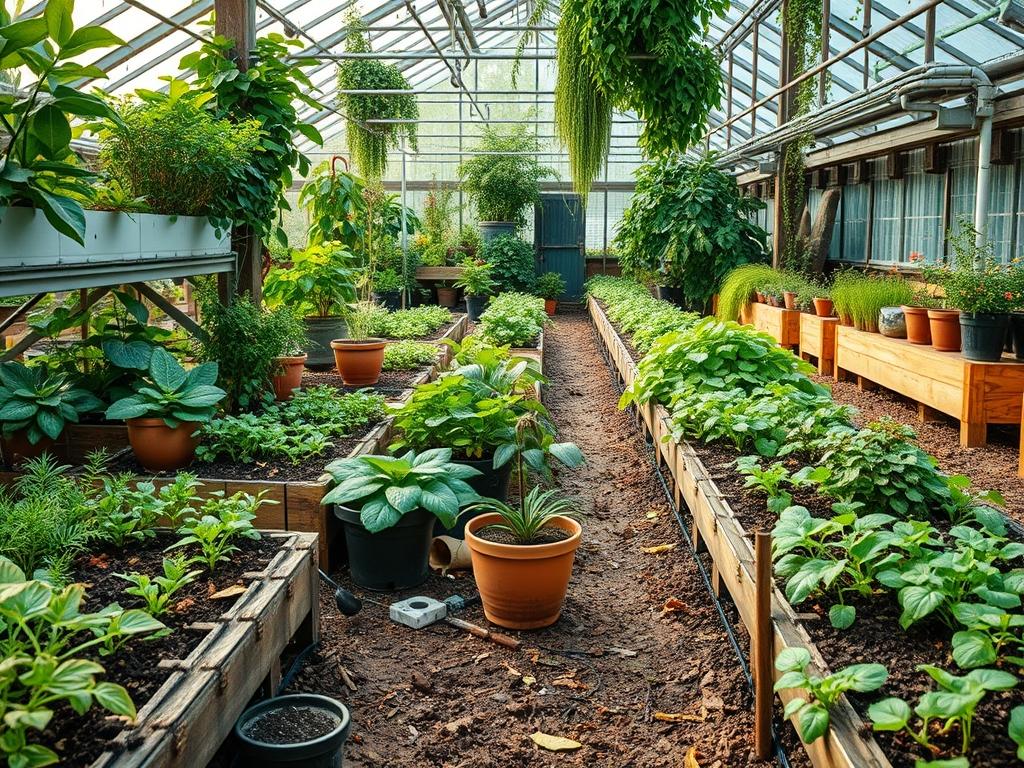
Professional landscaping represents the intersection of environmental science and architectural artistry. When a homeowner or commercial property manager invests in a high quality outdoor environment, they are not merely purchasing plants and stone; they are installing a living ecosystem that requires precise calibration and long term stewardship. The primary challenge in any large scale project is the management of biological variables. Climate shifts, nutrient deficiencies, and the ever present threat of pathogens can quickly compromise the aesthetic and structural integrity of a site. A landscape serves as the first impression of a property, directly influencing curb appeal and market valuation. Beyond the financial implications, the outdoor environment must function as a usable extension of the home, providing shade, privacy, and areas for social interaction. Achieving these goals requires a deep understanding of site specific conditions, ranging from the microclimate of a north facing slope to the drainage characteristics of heavy clay soil. In the modern era, the integration of technology, such as AI Plant Disease Diagnosis, has become a vital component of maintenance. By using computer vision to identify issues before they become systemic, architects can ensure that the initial design vision persists for decades rather than just a single season.
Landscape Design Principles
Successful landscape design rests on the foundational concepts of symmetry and visual balance, which guide the eye through the space and create a sense of order. Symmetry does not necessarily mean an exact mirror image on either side of a walkway. Rather, it involves the balanced distribution of visual weight. For instance, a massive Specimen Oak on one side of a property can be balanced by a dense grouping of Ornamental Grasses and a Dry Creek Bed on the other. Focal points are another critical element. Whether it is a custom Paver Fire Pit, a sculptural Water Feature, or a vibrant Japanese Maple, a focal point provides an anchor for the surrounding plantings.
Elevation layering is a technique used to create depth and prevent the landscape from appearing flat. This involves the strategic placement of plants based on their mature height; taller trees form the canopy, mid sized shrubs create the understory, and groundcovers fill the foreground. In addition to aesthetic layers, professional design must account for the functional layers of infrastructure. Irrigation Planning must be integrated into the initial layout to ensure that high water demand species are grouped together in specific zones. This process, often referred to as hydrozoning, prevents water waste and promotes plant health. Walkways should be designed with both ergonomics and flow in mind, using materials like Flagstone or Decomposed Granite to guide visitors while allowing for natural drainage. Visual balance is further enhanced by contrasting textures; the fine needles of a Juniper against the broad, glossy leaves of a Southern Magnolia create a sophisticated sensory experience.
Plant and Material Selection
Selecting the right biological assets is the most critical phase of the design process. The following table outlines several popular choices used in professional regional designs, detailing their specific requirements and growth characteristics.
| Plant Type | Sun Exposure | Soil Needs | Water Demand | Growth Speed | Maintenance Level |
| :— | :— | :— | :— | :— | :— |
| Southern Live Oak | Full Sun | Well Drained | Moderate | Slow/Medium | Low |
| Dwarf Korean Lilac | Full Sun | Neutral pH | Moderate | Medium | Moderate |
| Blue Star Juniper | Full Sun | Sandy/Rocky | Low | Slow | Low |
| Echinacea Purpurea | Full/Partial | Loamy | Low | Fast | Medium |
| Panicle Hydrangea | Partial Shade | Rich/Moist | High | Fast | High |
| Boxwood Green Velvet | Partial Sun | Loamy/Drained | Moderate | Slow | High |
| Maiden Grass | Full Sun | Any | Low | Fast | Low |
Materials selection extends beyond plants to include the hardscape components that provide structure. Retaining Walls built from Natural Limestone or Precast Concrete Blocks are essential for managing steep grades and preventing erosion. For ground cover, high quality Hardwood Mulch or Pine Bark Nuggets should be applied at a depth of three inches to retain moisture and suppress weed growth.
Implementation Strategy
The transition from a two dimensional blueprint to a three dimensional landscape requires a systematic implementation strategy. The process begins with site preparation, which includes the removal of invasive species and the rough grading of the terrain. Grading is perhaps the most overlooked aspect of landscaping; the land must be sloped away from the foundation of any structures at a minimum of a two percent grade to prevent water intrusion. Once the grade is established, the installation of “invisible” infrastructure begins. This includes laying down Schedule 40 PVC for irrigation lines and installing NDS French Drains in low lying areas to prevent standing water.
After the infrastructure is buried, hardscaping begins. This involves the excavation and compaction of base materials like Crushed Stone or Paver Sand to create stable footings for patios and walkways. When the stone work is complete, the focus shifts to soil preparation. Professional architects rarely plant into existing “fill dirt.” Instead, the soil is amended with Organic Compost, Peat Moss, and Slow Release Fertilizer to create a nutrient rich environment. Planting follows a specific order: large trees are positioned first using heavy machinery like a Skid Steer, followed by shrubs, and finally perennials and groundcovers. For a clean, professional look, Steel Edging or Brick Borders should be used to define the transition between turf areas and garden beds. Finally, a consistent layer of mulch is applied, and the Smart Irrigation Controller is programmed to provide a deep soak, encouraging the roots to grow deep into the newly amended soil.
Common Landscaping Failures
Even the most expensive landscapes can fail if basic biological and mechanical principles are ignored. One of the most frequent errors is improper drainage management. When water is allowed to pool around the root balls of trees, it leads to Root Rot and the eventual death of the specimen. Conversely, failing to account for the evaporation rates of different soil types can lead to structural drought. Soil compaction is another silent killer. During construction, the use of heavy equipment can compress the soil, destroying the pore spaces that hold oxygen and water. Professionals must use Core Aerators to alleviate this compaction before any planting occurs.
Root overcrowding is a long term failure that stems from a lack of foresight. Many homeowners plant for the size of the tree today rather than its size in ten years. This leads to roots circling the trunks or lifting up nearby Paver Patios. Improper spacing also creates a lack of airflow, which is a primary driver of fungal infections. This is where AI Plant Disease Diagnosis is transformative. Often, a failure in the landscape is not due to a lack of water or sun, but rather a specific pathogen like Powdery Mildew or Fire Blight that has gone unnoticed. By using computer vision tools to scan the foliage, professionals can identify these issues at the first sign of leaf discoloration. Catching a disease early allows for targeted treatment with Fungicides or Horticultural Oils, preventing the need for costly plant replacement.
Seasonal Maintenance
A landscape is a dynamic entity that requires different management protocols as the seasons change. In the spring, the focus is on rejuvenation. This involves the application of a Pre-emergent Herbicide to prevent weed seeds from germinating and the dormant pruning of summer flowering shrubs. It is also the ideal time to test the soil pH and add lime or sulfur as needed to maintain the optimal range for your specific plant palette.
Summer maintenance is dominated by water management and pest monitoring. As temperatures rise, the risk of heat stress increases. Irrigation systems should be checked weekly for clogged nozzles or broken spray heads. This is also the peak season for pest activity. Using AI Plant Disease Diagnosis during summer walks is highly effective for spotting the early stages of Spider Mite infestations or Leaf Rust. In the autumn, the priority shifts to preparation for dormancy. This includes leaf removal to prevent the smothering of turf and the planting of spring blooming bulbs like Tulips or Daffodils. Winter is the season for “structural pruning,” where the architecture of the trees is visible without foliage. Removing crossing or diseased branches during the winter prevents the spread of pathogens that are inactive in the cold.
Professional Landscaping FAQ
What is the benefit of AI Plant Disease Diagnosis?
It provides instant, data driven identification of pathogens. By using a smartphone to scan distressed leaves, owners can identify specific blights or pests immediately. This allows for precise chemical application, reducing costs and preventing the spread of disease to healthy plants.
How do I prevent water from pooling on my patio?
Ensure the subgrade is compacted and sloped at least one inch for every eight feet of distance. Incorporating Permeable Pavers or a hidden Slot Drain along the edge of the hardscape will effectively direct runoff away from the living area.
Why are native plants recommended for modern designs?
Native Plants are evolutionarily adapted to the local climate, soil, and rainfall patterns. They require significantly less fertilizer and supplemental irrigation once established. Furthermore, they provide essential habitats for local pollinators, enhancing the ecological value of your property.
How thick should my mulch layer be?
A professional standard is two to three inches. If the mulch is too thin, it will not suppress weeds or retain moisture. If it is too thick, it can prevent oxygen from reaching the soil and encourage “volcano mulching” against tree trunks.
What causes soil compaction and how is it fixed?
Foot traffic and heavy machinery compress the soil particles, eliminating air pockets. This results in poor drainage and stunted root growth. Use a Power Aerator twice a year to pull soil plugs, allowing air and nutrients to penetrate the root zone.