
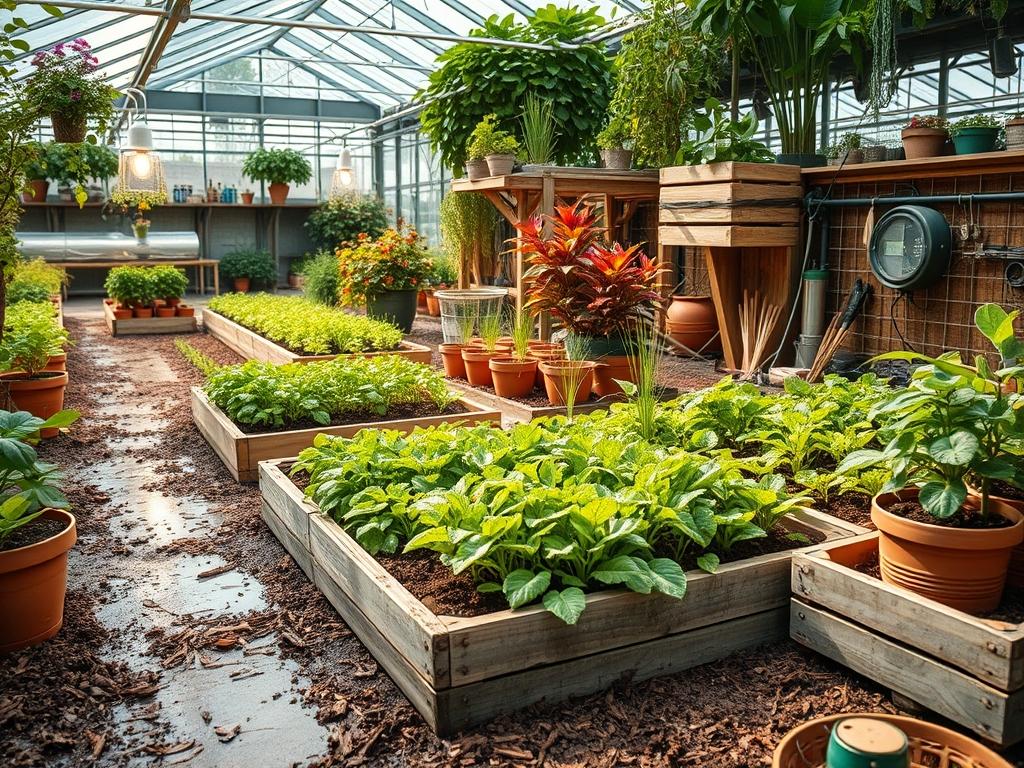
The evolution of the modern landscape has transitioned far beyond simple horticulture and basic aesthetic appeal. Today, the integration of Smart Garden Light Tech serves as the vital nervous system for professional outdoor environments, bridging the gap between daylight functionality and nocturnal security. As a landscape architect, I have observed that the primary challenge for homeowners remains the disconnect between their interior living standards and their exterior realities. A property might look radiant under the high noon sun, but if it disappears into an illegible void at dusk, the investment in native plants and hardscaping is essentially halved. Effective outdoor design must account for climate variability, the physical topography of the site, and the psychological impact of curb appeal, which is now heavily dictated by how light interacts with texture.
Achieving a professional result requires shifting the mindset from basic illumination to digital environment management. Whether you are dealing with the humid microclimates of the South or the freeze-thaw cycles of the North, the selection of LED luminaires, connected controllers, and soil sensors must be intentional. The goal is to create a seamless extension of the home where the landscape feels larger, safer, and more structured regardless of the season. By utilizing advanced networking protocols like Zigbee or Matter, modern systems allow for granular control over individual zones, ensuring that a Japanese Maple is highlighted with a soft 2700K warmth while the walkway remains clear with high-contrast safety lighting.
Landscape Design Principles
Symmetry and visual balance form the foundation of any high-end environment. In the context of Smart Garden Light Tech, symmetry does not always mean a mirror image; rather, it refers to the distribution of visual weight across the horizon. When we plan elevation layers, we consider the foreground, midground, and background. The foreground usually consists of lower plantings or turfgrass, while the midground incorporates shrubs like Taxus baccata. The background is defined by the canopy of mature trees or retaining walls. Smart lighting enhances this by allowing the designer to dim the foreground and brighten the background, which pulls the eye through the space and creates an illusion of depth.
Focal points are the anchors of the design. A stone sculpture, a water feature, or a specimen plant like a Cedrus libani acts as a visual destination. Without proper lighting, these elements are lost in the shadows. With the use of directional spotlights and beam angle adjustment, one can create “drama” without causing “glare.” This is where the concept of visual balance intersects with irrigation planning. If a high-moisture zone is located near a focal point, the lighting hardware must be rated at IP67 or higher to withstand the constant exposure to sprinkler heads and soil saturation.
Walkways and circulation paths represent the circulatory system of the yard. Properly designed paths utilize bollard lights spaced at 8 foot intervals to ensure a continuous wash of light on the ground surface. We avoid the “runway effect” by staggering the lights on alternating sides of the path. This technique creates a natural, meandering feel that guides the visitor safely. Integrating this with smart sensors ensures these lights only reach 100 percent brightness when motion is detected, conserving energy and reducing light pollution for the neighboring properties during the late hours.
Plant and Material Selection
Selecting the right materials is a technical exercise in compatibility. The following table outlines standard choices for a resilient, tech-integrated landscape.
| Plant Type | Sun Exposure | Soil Needs | Water Demand | Growth Speed | Maintenance Level |
| :— | :— | :— | :— | :— | :— |
| Buxus sempervirens | Full Sun/Part Shade | Well-Drained | Moderate | Slow | Medium |
| Lavandula angustifolia | Full Sun | Sandy/Gravelly | Low | Moderate | Low |
| Acer palmatum | Part Shade | Acidic/Moist | Moderate | Slow | High |
| Pennisetum alopecuroides | Full Sun | Adaptable | Low | Fast | Low |
| Hydrangea macrophylla | Part Shade | Rich/Moist | High | Moderate | Medium |
| Rosmarinus officinalis | Full Sun | Poor/Dry | Very Low | Moderate | Low |
Beyond plants, the selection of materials like crushed granite, river rock, and epoxy-bound gravel influences how light reflects off the ground. Darker materials like slate absorb light, requiring higher lumen output, whereas lighter limestone pavers bounce light upward, contributing to ambient glow.
Implementation Strategy
The successful installation of a smart landscape begins with meticulous grading. You must ensure that the land slopes away from the home at a minimum of 2 percent to prevent water from pooling around electrical transformers or the root balls of expensive specimens. Before any plants go into the ground, we lay down a network of Schedule 40 PVC conduit to house the low-voltage wiring. This protects the system from future shovel strikes or rodent damage.
Once the “bones” are in place, we focus on edging. Metal or heavy-duty plastic edging creates a crisp line between the fescue lawn and the garden beds, preventing mulch from migrating into the grass. Mulch depth should be maintained at a consistent 3 inches to suppress weeds and retain moisture, but it must be kept a few inches away from the trunks of trees to prevent bark rot. For the lighting, we use waterproof connectors and heat-shrink tubing at every junction point. This is the stage where the hub or gateway is installed, typically near a strong Wi-Fi signal or connected via an Ethernet cable to the home network.
Drainage is the final, most critical component of implementation. If the site has heavy clay soil, we install a French drain system using 4 inch perforated pipe wrapped in geotextile fabric. This ensures that the smart sensors, which are often buried just below the surface to monitor soil moisture, do not become submerged and malfunction. Once the hardscaping is settled, we calibrate the light fixtures, adjusting the color temperature and intensity through the mobile application to match the specific shades of the foliage.
Common Landscaping Failures
The most frequent mistake in modern landscaping is improper spacing, leading to root overcrowding. Homeowners often buy plants based on their size at the nursery, forgetting that a Thuja occidentalis can grow to 15 feet wide. When plants are crowded, they compete for nutrients and airflow, increasing the risk of fungal infections. This also blocks the path of light, rendering your Smart Garden Light Tech ineffective as the beams are swallowed by overgrown branches.
Drainage mistakes remain a silent killer of high-end projects. Failing to account for the “sump” effect in a planting hole can cause water to sit at the bottom, rotting the roots. Similarly, soil compaction from heavy machinery during the construction phase prevents water and oxygen from reaching the root zone. Professionals use a broadfork or tiller to loosen the soil before planting, often amending it with organic compost to improve structure.
In terms of the lighting, the most common failure is “light bleed” where poorly aimed fixtures shine into windows or across property lines. This is not only a nuisance but can also disrupt the circadian rhythms of local wildlife. Another technical failure is voltage drop. When a wire run is too long or the wire gauge is too thin, the lights at the end of the line will appear dimmer or flicker. Using a multimeter to check voltage at every fixture ensures the entire system operates at the optimal 12 to 15 volts.
Seasonal Maintenance
Landscape management is a year-round commitment. In the spring, the focus is on pruning dead wood and applying a slow-release fertilizer. For the smart lighting, this is the time to clean the glass lenses using a microfiber cloth and check for any frost heave that might have pushed fixtures out of alignment.
Summer maintenance involves managing the irrigation schedule. We look for signs of heat stress in plants like Hydrangea and adjust the smart controllers to water deeply but infrequently, encouraging deep root growth. We also adjust the lighting timers to account for the later sunset times, ensuring the lights don’t turn on while it is still bright out.
Autumn is for cleanup and preparation. We remove fallen leaves from the drainage grates and cut back perennials. This is a crucial time to check the integrity of the wire seals before the wet winter months. In winter, the primary goal is protection. If you live in an area with heavy snow, you may need to move path lights temporarily or mark them with stakes so they aren’t hit by a snowblower. The smart system can be programmed to a “security mode,” keeping the perimeter bright while the decorative elements are dimmed to save energy during the dormant season.
Professional Landscaping FAQ
What is the best way to prevent weeds in garden beds?
Apply a 3 inch layer of organic mulch over a layer of cardboard or professional-grade landscape fabric. This creates a physical barrier while allowing water and nutrients to reach the soil and your Smart Garden Light Tech sensors.
How many lights can I put on one transformer?
This depends on the wattage of the lights and the capacity of the transformer. For a 300-watt unit, we recommend staying under 240 watts to provide a safety buffer and prevent the system from overheating or failing prematurely.
Can smart lights work with existing manual systems?
Yes, you can often replace a standard transformer with a smart controller or install smart bulbs into existing fixtures. However, for full functionality like color changing and zoning, a dedicated low-voltage smart system is usually the superior choice.
What is the ideal color temperature for trees?
For most green foliage, a warm white of 2700K to 3000K is ideal. If you are highlighting blue-toned evergreens like a Blue Spruce, a cooler 4000K light can make the natural colors pop and appear more vibrant at night.
How deep should I bury my landscape lighting wires?
Standard low-voltage wire should be buried at least 6 inches deep. This depth protects the cables from aerators, edgers, and basic weeding tools while still being accessible enough for future repairs or adjustments to the Smart Garden Light Tech.