
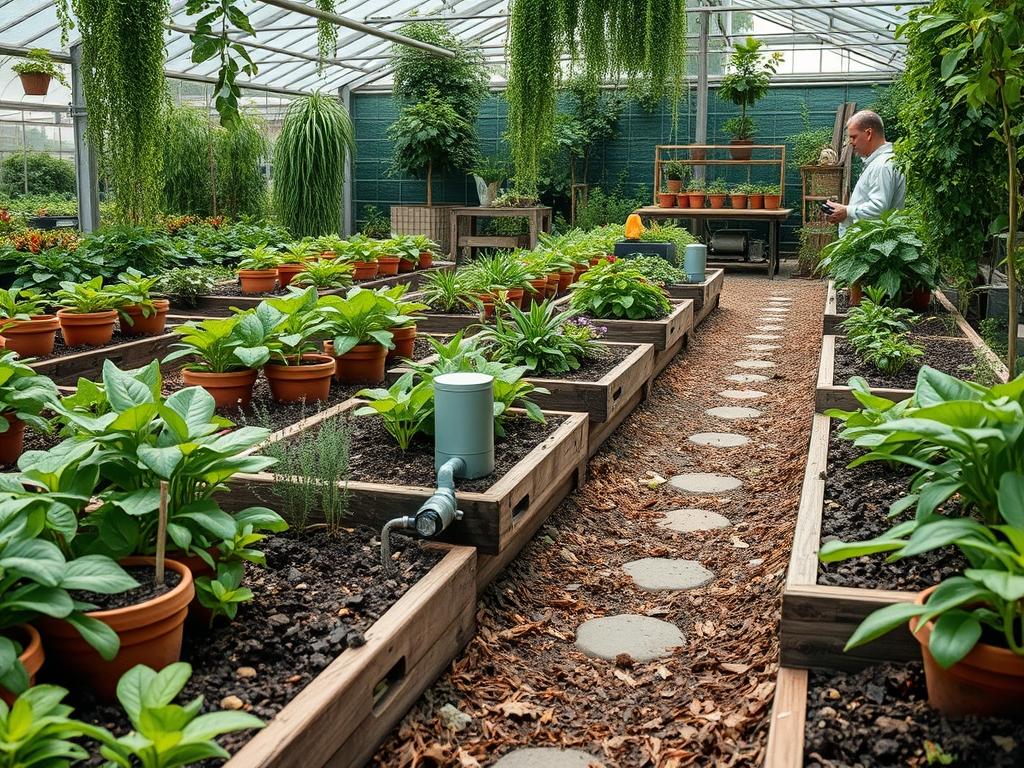
Achieving a lush, resilient landscape requires more than just aesthetic vision; it demands a sophisticated marriage between biological needs and technological precision. As modern climates become increasingly unpredictable, traditional watering schedules often prove either wasteful or insufficient. Homeowners and commercial developers now prioritize curb appeal and outdoor functionality, but the cost of maintaining these spaces can escalate without proper oversight. This is where Smart Irrigation Pump Tech becomes the central nervous system of a high performing garden. By leveraging real-time data and automated pressure adjustments, these systems ensure that every drop of water serves a specific purpose, protecting your investment while enhancing the natural beauty of the environment. A successful landscape is not merely a collection of plants; it is a living ecosystem that requires a consistent, measured supply of resources. When you integrate accurate pump technology, you transition from reactive gardening to proactive environmental management. This approach mitigates the risks of drought stress and over-saturation, both of which can lead to expensive plant loss and structural damage to the property.
Landscape Design Principles
Effective landscape design relies on a foundational understanding of visual balance and structural harmony. Symmetry often plays a key role in formal gardens, where mirrored plantings of Boxwood or Privet create a sense of order and permanence. However, in more contemporary or naturalistic designs, asymmetrical balance uses varied groupings to direct the eye toward a specific focal point, such as a water feature or a specimen tree like a Blue Atlas Cedar. Beyond the visual, a professional architect must consider elevation layers. By placing taller plants in the background and shorter, spreading varieties in the foreground, you create depth that makes even small urban gardens feel expansive.
The integration of Smart Irrigation Pump Tech must happen during the initial design phase rather than as an afterthought. This technology allows for the creation of precise hydrozones, which are areas of the garden grouped by similar water requirements. By using a Variable Frequency Drive (VFD) within the pump system, the landscape architect can ensure that the water pressure remains constant whether a single drip line is active or a large-scale turf rotor is running. This flexibility is vital for maintaining visual balance across different elevations, as uphill zones often require higher pressure to overcome gravity, while low-lying areas need careful regulation to prevent pooling and runoff.
Plant and Material Selection
Selecting the right materials involves analyzing the microclimate of the site. A professional must evaluate the interaction between soil composition and sunlight throughout the day. Below is a guide for selecting common landscape components that benefit from precise irrigation management.
| Plant Type | Sun Exposure | Soil Needs | Water Demand | Growth Speed | Maintenance Level |
| :— | :— | :— | :— | :— | :— |
| Dwarf Fountain Grass | Full Sun | Well-drained | Moderate | Fast | Low |
| English Lavender | Full Sun | Sandy/Gritty | Low | Medium | High (Pruning) |
| Hosta | Shade | Rich/Moist | High | Slow | Medium |
| Native Oak | Full to Part Sun | Loamy | Low (Established) | Slow | Very Low |
| Japanese Forest Grass | Partial Shade | Humus-rich | High | Medium | Medium |
| Creeping Thyme | Full Sun | Poor to Average | Low | Fast | Low |
Materials such as Natural Cedar Mulch and Crushed Granite also play a role in water retention and soil temperature regulation. When these materials are paired with Smart Irrigation Pump Tech, the evaporation rates are significantly lowered, allowing the pump to work less frequently and extending its operational lifespan.
Implementation Strategy
The implementation of a professional landscape begins with site preparation and grading. You must ensure that the ground slopes away from building foundations at a minimum of 2 percent grade to prevent structural water damage. During the trenching phase, technicians install High-Density Polyethylene (HDPE) or PVC piping at a depth of at least 12 inches to protect against frost and surface impact. This is the ideal time to install the Smart Irrigation Pump Tech hub. This unit should be housed in a weather-protected enclosure and connected to a high-speed internet source to allow for remote monitoring and cloud-based weather adjustments.
Once the infrastructure is in place, the edging defines the transition between turf and garden beds. Using Steel Edging or Paver Restraints ensures that mulch stays in place and prevents invasive grass roots from creeping into ornamental areas. When planting, the hole should be twice as wide as the root ball but no deeper, preventing the crown from sinking and rotting. After the plants are set, the irrigation system must be calibrated. The smart pump uses Flow Sensors to detect tiny leaks or obstructions in the lines, immediately notifying the user via a mobile application. This level of accuracy is essential when installing expensive, mature specimens that cannot survive a sudden loss of water.
Common Landscaping Failures
One of the most frequent failures in high-end landscaping is the lack of proper drainage. Even with the best Smart Irrigation Pump Tech, if the soil is compacted and the grade is flat, plants will experience root asphyxiation. Soil compaction, often caused by heavy machinery during construction, prevents oxygen from reaching the roots and stops water from percolating downward. To fix this, professionals use Core Aerators or incorporate Organic Compost to break up the clay structures.
Another common mistake is improper spacing. In an attempt to make a new garden look full immediately, many contractors plant specimens too close together. Over time, this leads to root overcrowding and competition for nutrients, which can stress the plants and make them more susceptible to pests. Furthermore, many irrigation systems fail because the controllers are set to a fixed timer. Without the modularity offered by Smart Irrigation Pump Tech, these systems may run during a heavy rainstorm, leading to nutrient leaching and fungal diseases such as Powdery Mildew. Accurate smart tech avoids this by using Soil Moisture Sensors to override the schedule when the ground is already saturated.
Seasonal Maintenance
Seasonal care is what separates a world-class landscape from a mediocre one. In the spring, the primary focus is on reactivation and calibration. Technicians should flush the lines to remove any sediment that accumulated over the winter and check the Smart Irrigation Pump Tech for software updates. This is also the time to apply a 3 inch layer of mulch to suppress weeds and lock in moisture before the summer heat arrives.
During the summer month, the smart pump proves its value by adjusting flow rates based on peak evapotranspiration data. Maintenance involves deadheading spent blooms and monitoring for signs of heat stress. In autumn, the focus shifts to preparation. This is the ideal time for planting new trees, as the cooler air and warm soil encourage root development. Finally, in winter, the most critical task is winterization. In colder climates, all water must be blown out of the pipes using an Air Compressor to prevent freezing and bursting. The smart pump should be powered down or placed in a standby mode to protect its internal circuitry from power surges during winter storms.
Professional Landscaping FAQ
How does smart pump technology save on water bills?
The system uses real-time local weather data and Soil Moisture Sensors to calculate the exact water requirement. It eliminates scheduled watering when it is unnecessary, often reducing total water consumption by over 30 percent compared to traditional timers.
Can I integrate a smart pump into an existing garden?
Yes. Retrofitting is common and involves replacing the old controller and pump with Smart Irrigation Pump Tech. You may also need to install Flow Meters and communication modules to ensure the old zones communicate correctly with the new hardware.
What is a Variable Frequency Drive in irrigation?
A Variable Frequency Drive allows the pump motor to change speeds based on demand. Instead of running at full power for a small zone, the pump slows down, which reduces energy use and prevents wear on the piping infrastructure.
Do these systems work during power outages?
Most professional grade smart pumps have non-volatile memory that saves configurations. However, without power, the pump cannot move water. Many high-end installations include a Battery Backup or a Surge Protector to keep the smart controller online during brief interruptions.
How deep should my irrigation lines be buried?
Main lines should be buried at least 12 to 18 inches deep, while lateral lines in garden beds can be placed at 8 to 12 inches. Proper depth protects the pipes from shovels, lawn aerators, and fluctuating surface temperatures.