
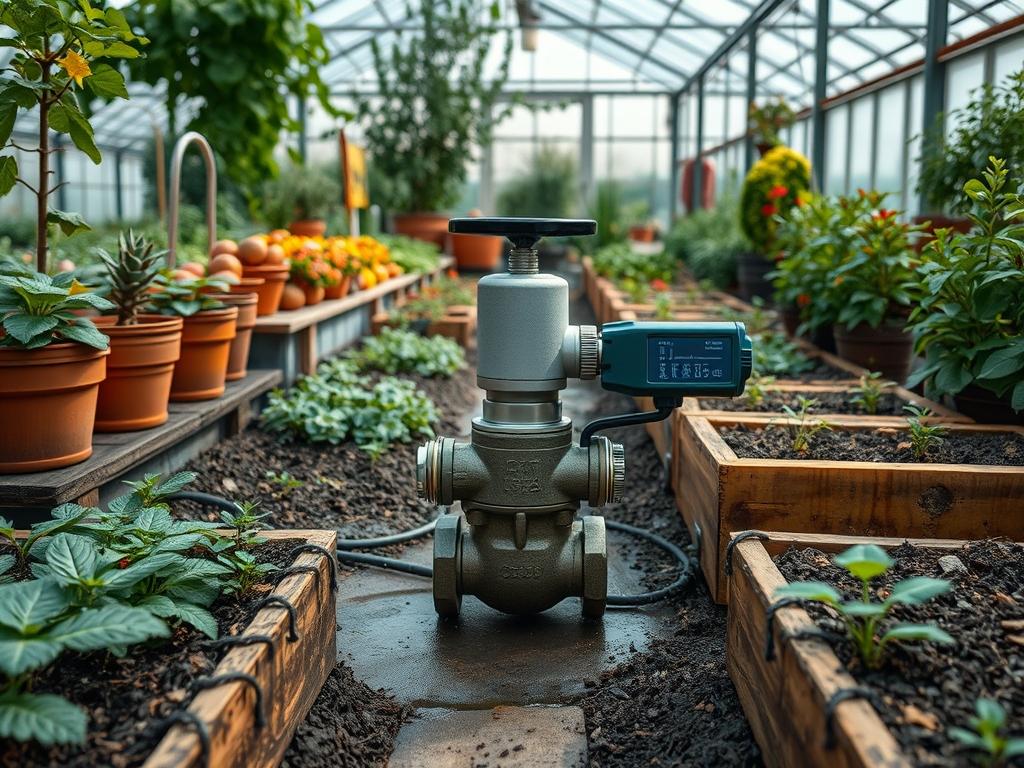
Designing a sustainable landscape requires a delicate balance between aesthetic vision and technical precision. Modern property owners face increasingly volatile climate patterns, characterized by periods of intense heat followed by unpredictable precipitation. This volatility makes traditional irrigation methods obsolete and highlights the necessity of precision water management. When we look at curb appeal, we often focus on the vibrant hues of blooming perennials or the structural elegance of mature trees; however, the true foundation of a thriving environment lies buried beneath the surface. Integrating high quality Smart Irrigation Valve Tech serves as the central nervous system of any professional landscape plan. It ensures that every botanical investment receives the exact volume of hydration required to flourish without the waste associated with legacy systems. A well designed outdoor space must offer functionality and longevity, serving as an extension of the home while respecting the local ecology. By utilizing advanced flow sensors and automated control modules, architects can create resilient microclimates that maintain peak health even during the height of summer.
Landscape Design Principles
Effective landscape design relies on a structured approach to spatial organization and visual weight. Symmetry provides a sense of formality and order, often achieved by mirroring plantings along a central axis like a walkway or a grand entryway. However, asymmetrical balance can be equally powerful, using different elements of similar visual weight to create a more naturalistic, dynamic feel. Focal points are essential for guiding the eye through the property. A large specimen tree, a custom water feature, or a stone retaining wall can anchor the design, providing a destination for the viewer’s gaze.
Elevation layers are critical for creating depth and interest. By utilizing varying heights, from ground covers to mid story shrubs and towering canopies, a designer can simulate a natural woodland edge or a lush meadow. This layering also serves a practical purpose in irrigation planning. Grouping plants with similar water requirements into specific hydrozones allows for more efficient distribution. High efficiency Smart Irrigation Valve Tech is indispensable here, as it can be programmed to deliver different durations and frequencies of water to each zone based on its specific elevation, sun exposure, and soil type. For instance, a sloped area requires shorter, more frequent watering cycles to prevent runoff, whereas a flat, shaded bed might benefit from deep, infrequent soaking. Proper walkway placement further defines these zones, using materials like flagstone or decomposed granite to provide structure and access without compacting the root zones of adjacent plant life.
Plant and Material Selection
| Plant Type | Sun Exposure | Soil Needs | Water Demand | Growth Speed | Maintenance Level |
| :— | :— | :— | :— | :— | :— |
| Buxus microphylla | Full to Partial | Well Drained | Moderate | Slow | Low |
| Echinacea purpurea | Full Sun | Sandy/Loam | Low | Medium | Minimal |
| Acer palmatum | Dappled Shade | Rich/Acidic | Moderate | Slow | Medium |
| Pennisetum alopecuroides | Full Sun | Any | Low | Fast | Annual Cutback |
| Lavandula angustifolia | Full Sun | Gritty/Alkaline | Very Low | Medium | Pruning Required |
| Hydrangea macrophylla | Part Shade | Moist/Organic | High | Fast | High |
Selecting the right materials extends beyond the plants themselves. Using 3 inch mulch depth of organic hardwood helps retain moisture and regulate soil temperature, which reduces the workload on your irrigation system. In areas with poor drainage, incorporating French drains or river rock dry creek beds can redirect excess water away from foundations and sensitive root systems.
Implementation Strategy
The transition from a conceptual design to a physical landscape begins with thorough site preparation. Grading is the most critical first step; the land must be shaped to ensure that water moves away from the home and toward appropriate drainage outlets. Once the rough grade is established, the installation of the Smart Irrigation Valve Tech begins. This involves laying out a network of PVC Schedule 40 piping and installing the valve manifold in a central, accessible location. Unlike traditional valves, smart valves often feature built in flow meters and pressure regulators that detect leaks or blockages in real time.
When planning the layout, use steel edging or paver restraints to create crisp borders between turf areas and planting beds. This prevents grass from encroaching on the gardens and makes maintenance significantly easier. Trenching for the irrigation lines should be done at a minimum depth of 12 inches to protect the pipes from aeration tools and frost. As the lines are laid, ensure that every valve is connected to a smart controller that utilizes local weather data. This technology allows the system to skip scheduled watering if rain is detected or to increase output during a heatwave. Once the hardscaping and irrigation infrastructure are in place, the soil should be amended with organic compost to improve tilth and nutrient availability. Finally, the plants are installed, ensuring that the root balls are level with the surrounding soil to prevent crown rot.
Common Landscaping Failures
One of the most frequent errors in professional landscaping is improper drainage management. When water pools around the base of plants or near structural walls, it leads to anaerobic soil conditions and fungal diseases. Another common mistake is root overcrowding. It is tempting to plant closely together for an immediate full look, but failing to account for the mature spread of a species leads to competition for nutrients and poor air circulation. Over time, crowded plants become stressed and susceptible to pests.
Soil compaction is another silent killer of healthy landscapes. During construction, heavy machinery can crush the pore spaces in the soil, preventing oxygen and water from reaching deep roots. This is why thorough tilling and the addition of soil conditioners are vital before planting. Inefficiencies in irrigation are also a major point of failure. Using standard valves without pressure regulation often results in misting, where water evaporates before it ever hits the ground. Smart Irrigation Valve Tech solves this by maintaining optimal pressure levels, ensuring that water droplets are heavy enough to reach the soil. Finally, failing to monitor the system leads to undetected leaks that can spike water bills and drown expensive plant specimens.
Seasonal Maintenance
Landscape management is a year round commitment that changes with the seasons. In the spring, the focus is on rejuvenation. This is the time to inspect the entire irrigation system for damage caused by winter freezes. Flush out the lines, clean the filters in your smart valves, and test the Wi-Fi connectivity of your controller. Apply a fresh layer of bark mulch to suppress weeds and prepare the soil for the growing season.
Summer maintenance is dominated by water management and heat stress mitigation. Monitor your Smart Irrigation Valve Tech logs to ensure that all zones are firing correctly and that flow rates remain consistent. Deadhead spent blooms on perennials like Salvia to encourage a second flush of flowers. As autumn arrives, the strategy shifts toward preparation. This is the ideal time for planting new trees and shrubs, as the cooler air and warm soil promote rapid root growth. Adjust your irrigation schedules downward as the evaporation rate decreases.
Winter is the time for protection and structural pruning. In colder climates, winterizing the irrigation system is mandatory. This involves blowing out the lines with compressed air to prevent the pipes and valves from bursting. Prune deciduous trees while they are dormant to remove crossing branches and maintain a strong central leader. By following this seasonal cadence, the integrity of the landscape design is preserved, and the mechanical systems are kept in peak operating condition.
Professional Landscaping FAQ
How does smart irrigation tech save money?
Smart systems use real time weather data to prevent unnecessary watering. By adjusting for rainfall and humidity, they reduce water waste by up to 50 percent, significantly lowering monthly utility costs while protecting expensive plant assets.
What is the best mulch for water retention?
Double shredded hardwood mulch is highly effective. It mats together to create a protective barrier that reduces evaporation, inhibits weed growth, and eventually breaks down to add valuable organic matter back into the garden soil.
Can smart valves detect underground leaks?
Yes, many high end smart valves include integrated flow meters. If the system detects water movement during a period when no zones are active, it can send an immediate alert to your smartphone and shut off the main supply.
How deep should I plant my ornamental shrubs?
Shrubs should be planted so the top of the root ball is level with or slightly above the surrounding soil grade. Planting too deep can suffocate the roots and lead to trunk rot, which eventually kills the plant.
Why is soil testing important before planting?
Soil testing identifies the pH level and nutrient deficiencies of your terrain. Knowing these values allows you to select plants that will naturally thrive or tells you exactly which amendments are needed to create an ideal growing environment.