
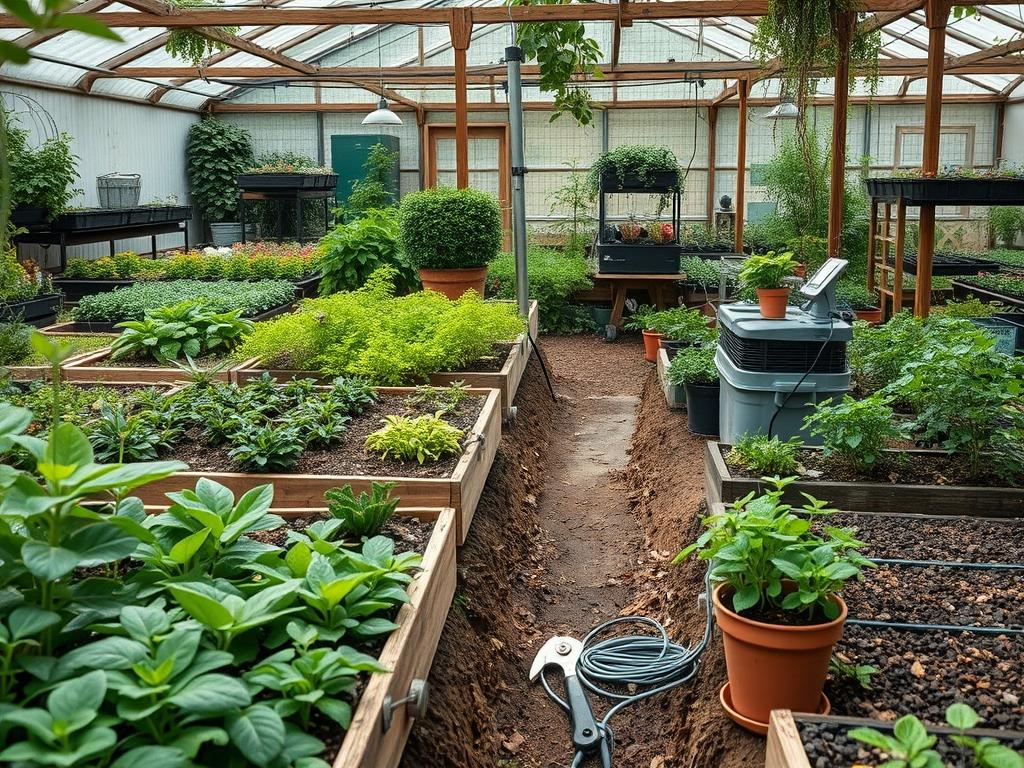
Designing an outdoor environment requires a sophisticated understanding of how light interacts with living biological systems and structural hardscaping. Modern landscape architecture has moved beyond the simple utility of a porch light, now embracing the nuances of Smart Garden Lighting Kits to define space, improve safety, and extend the usability of outdoor living areas long after sunset. The challenge for many homeowners and contractors lies in balancing the technical requirements of electrical infrastructure with the fluid, organic needs of a thriving garden. Climate plays a significant role in this selection process, as high-humidity environments require fixtures with a high Ingress Protection (IP) rating, while arid climates demand materials that can withstand intense UV exposure without degrading. Effective lighting increases curb appeal by highlighting architectural features and specimen plantings, creating a sense of depth that transforms a flat, dark yard into a multi-dimensional retreat.
Landscape Design Principles
Successful lighting integration begins with fundamental landscape design principles that prioritize visual balance and rhythm. Symmetry is often used at entryways or along formalized paths to provide a sense of order and security. However, asymmetrical layouts can be more effective in naturalistic gardens, where staggered light sources mimic the dappled effect of moonlight filter though a canopy. Focal points are essential; every design should have a primary visual destination, such as a large Acer palmatum or a bespoke water feature, which is emphasized through uplighting or moonlighting techniques.
Elevation layers are equally critical in a professional plan. Lighting should be distributed across three distinct planes: the ground level for path safety, the mid-level for shrubbery and architectural walls, and the overhead level for tree canopies. This layering ensures that the eye can transition smoothly through the space without encountering dark voids or blinding glare. Furthermore, planning for lighting must happen alongside irrigation planning. Low-voltage cables and irrigation lines should be mapped simultaneously to avoid accidental damage during future maintenance. Walkways should be illuminated from the side, using recessed pavers or bollard lights that cast light downward, preventing light pollution and ensuring that the walking surface remains clear of shadows that might hide trip hazards.
Plant and Material Selection
Choosing the right flora is vital for a lighting scheme because the texture, color, and density of foliage dictate how light is reflected or absorbed. The following table provides a guide for plants that pair exceptionally well with various types of Smart Garden Lighting Kits.
| Plant Type | Sun Exposure | Soil Needs | Water Demand | Growth Speed | Maintenance Level |
| :— | :— | :— | :— | :— | :— |
| Buxus sempervirens | Full Sun to Shade | Well-Drained | Moderate | Slow | High (Pruning) |
| Miscanthus sinensis | Full Sun | Moist/Loamy | Moderate | Fast | Low |
| Acer palmatum | Partial Shade | Slightly Acidic | High | Medium | Medium |
| Lavandula angustifolia | Full Sun | Sandy/Gritty | Low | Medium | Low |
| Hydrangea macrophylla | Partial Shade | Rich/Moist | High | Fast | Medium |
| Ophiopogon planiscapus | Sun to Shade | Well-Drained | Moderate | Slow | Very Low |
When selecting lighting materials, prioritize solid brass or copper fixtures for coastal areas where salt spray causes rapid corrosion. For inland projects, high-grade aircraft aluminum with a durable powder coating is often sufficient. The light source itself should ideally be an integrated LED with a color temperature between 2700K and 3000K, providing a warm, inviting glow that complements natural stone and wood mulch.
Implementation Strategy
The transition from a design concept to a functional smart landscape requires a methodical implementation strategy. Begin with professional grading to ensure that water flows away from both the home foundation and the planned electrical hubs. Once the terrain is stabilized, define the garden beds using heavy-duty steel edging or poured concrete curbs to create a clean separation between the turf and the planting zones.
Layout planning for Smart Garden Lighting Kits involves placing the smart bridge or controller in a location that maintains a strong Wi-Fi or Zigbee signal, often near a window or an external wall. Run 14/2 low-voltage wire through the garden, burying it at least 6 inches deep to protect it from aerators or shovels. When connecting fixtures, use silicone-filled wire nuts to prevent moisture from wicking into the copper strands, which is a leading cause of premature system failure.
For the hardscaping phase, ensure that any retaining walls or stone stairs have integrated conduit for lighting before the masonry is capped. This foresight allows for “underscaping,” where lights are hidden under the lip of a stone, providing a seamless glow without visible hardware. Once the fixtures are positioned, apply a 3-inch layer of organic cedar mulch around the base of plants and lights. This regulates soil temperature and moisture while hiding the cable runs.
Common Landscaping Failures
The most frequent mistake in outdoor projects is poor drainage. If water pools around lighting fixtures or at the base of trees, it leads to electrical shorts and root rot simultaneously. Professionals must ensure that the site has a clear path for runoff, utilizing French drains or dry creek beds if the natural slope is insufficient.
Another common failure involves root overcrowding and improper spacing. Homeowners often plant for the current size of the nursery pot rather than the mature spread of the species. Over time, an expanding root system can heave paver stones and sever underground wiring. Similarly, soil compaction during the construction phase can suffocate native plants and prevent water penetration. Utilizing a tiller to break up compacted subsoil before adding amendments is a crucial step that is often skipped. Finally, irrigation inefficiencies, such as spray heads hitting lighting fixtures directly, can cause hard water staining on lenses and internal fogging, even in high-quality kits.
Seasonal Maintenance
A landscape is a living entity that requires consistent oversight to maintain its aesthetic and functional integrity. During the spring, focus on cleaning the lenses of all light fixtures using a soft cloth and non-abrasive cleaner. Check for any frost heave that may have pushed cables toward the surface and re-bury them as needed. This is also the time to apply a slow-release fertilizer to deciduous trees and perennials.
In the summer, the primary task is irrigation management and monitoring plant growth which might begin to obscure the light output of your Smart Garden Lighting Kits. Prune back any aggressive foliage that creates unwanted shadows. Autumn requires the removal of fallen leaves from the top of well-lights and path-lights to prevent heat buildup and potential fire hazards. This is also the best time to check the seals on your outdoor transformer and smart controllers. During winter, adjust the timers on your smart apps to account for shorter days. If you live in an area with heavy snowfall, ensure that path lights are marked with tall stakes to avoid damage from snowblowers or shovels.
Professional Landscaping FAQ
How do I choose the right wattage for my garden lights?
Standard smart systems use LED technology, so look at lumens rather than wattage. Use 200 to 300 lumens for paths and 500 to 800 lumens for uplighting large trees. This provides sufficient clarity without creating excessive light pollution in residential neighborhoods.
Can I mix different brands of smart lighting?
While possible through platforms like Matter or Zigbee, it is often difficult. Sticking to a single ecosystem ensures consistent color matching and simplified control. Mixing brands may lead to connectivity gaps and varied dimming responses across your landscape zones.
What is the best way to hide outdoor wiring?
Bury your low-voltage wire at a minimum depth of 6 inches. In areas with high foot traffic or potential digging, run the wire through PVC conduit. Cover any remaining visible sections with 3 inches of hardwood mulch or decorative gravel.
How do I prevent my smart lights from flickering?
Flickering usually indicates a voltage drop or a loose connection. Ensure your transformer is appropriately sized for the total wattage of your fixtures. Use 12-gauge wire for longer runs to maintain a consistent current from the hub to the furthest light.
Do smart garden lights work in freezing temperatures?
Most professional-grade Smart Garden Lighting Kits are rated for temperatures as low as minus 20 degrees Fahrenheit. However, battery-powered components may struggle in extreme cold. Hardwired systems are generally the most reliable option for climates with significant seasonal temperature fluctuations.