
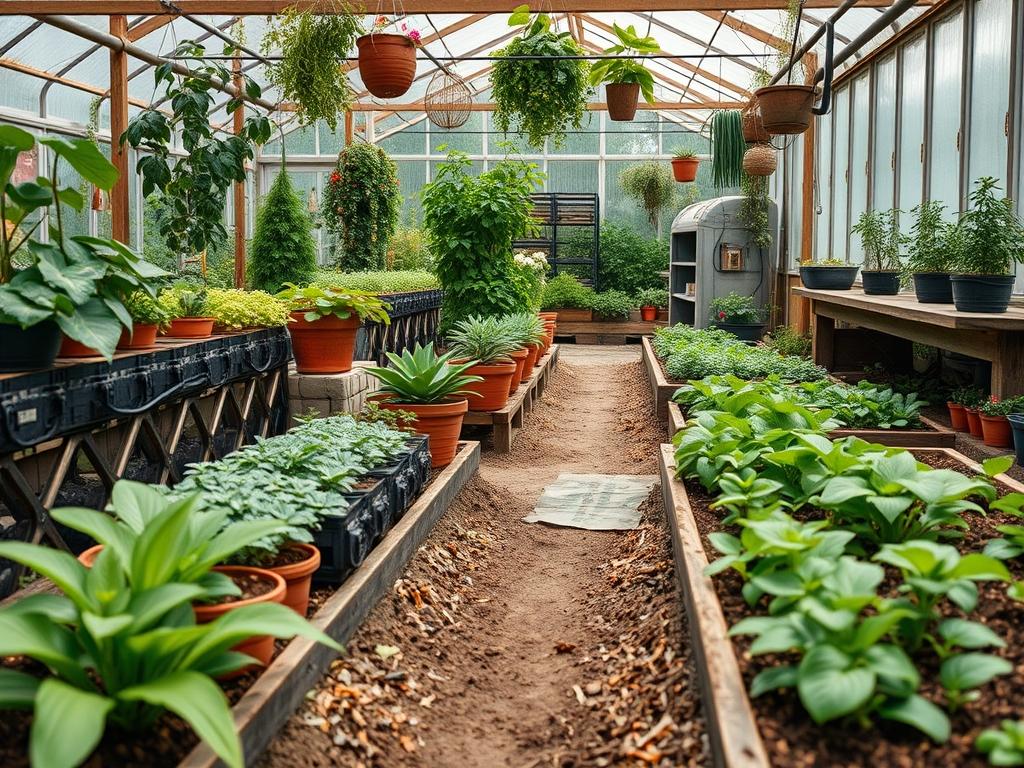
The modern landscape is an extension of the interior living space, but bridging the gap between a sleek indoor environment and a rugged outdoor ecosystem requires more than just aesthetic intuition. When we design a high-end residential garden today, we are no longer just managing soil and aesthetics. We are managing signals and software. Integrating technology into the soil requires a deep understanding of Smart Garden Connectivity Tips to ensure that automated irrigation, intelligent lighting, and environmental sensors function without interruption. Homeowners often underestimate how much a limestone retaining wall or a dense hedge of Thuja occidentalis can degrade a wireless signal. Without a robust connectivity plan, even the most expensive smart controllers become nothing more than glorified manual timers. The challenge lies in harmonizing these digital requirements with the physical realities of rainfall, temperature fluctuations, and the organic growth of the landscape.
Landscape Design Principles
Successful landscape architecture relies on the delicate balance of symmetry and focal points to guide the eye across the property. When planning for smart integration, these focal points often serve double duty. A strategically placed granite water feature or an custom-built cedar pergola can act as a natural camouflage for mesh network nodes or outdoor Wi-Fi extenders. Visual balance is achieved by layering vegetation, which also creates natural conduits for hardware. We think in terms of elevation layers; ground covers provide the floor, shrubs define the walls, and tree canopies act as the ceiling.
Irrigation planning must be integrated into the earliest design phases rather than added as an afterthought. We use smart zones to segment the property based on microclimates. A north-facing slope with heavy clay soil requires a completely different watering rhythm than a flat, sun-drenched patch of Kentucky Bluegrass. Walkways also play a structural role in connectivity. By installing 2-inch PVC conduit beneath paved paths during the initial construction phase, we future-proof the garden for upcoming wiring needs without ever having to disturb the finished masonry. This foresight ensures that the hardscape remains pristine while the technology evolves.
Plant and Material Selection
Selecting the right biological components is as vital as the technical hardware. Plants must be chosen based on their ability to thrive in the site-specific conditions while accommodating the physical footprint of sensors and cabling.
| Plant Type | Sun Exposure | Soil Needs | Water Demand | Growth Speed | Maintenance Level |
| :— | :— | :— | :— | :— | :— |
| Liriope Muscari | Partial Shade | Well-drained | Moderate | Medium | Low |
| Cornus sericea | Full Sun | Moist/Boggy | High | Fast | Medium |
| Festuca glauca | Full Sun | Lean/Dry | Low | Moderate | Low |
| Hydrangea macrophylla | Part Sun | Rich Loam | High | Moderate | High |
| Lavandula angustifolia | Full Sun | Gritty/Alkaline | Very Low | Slow | Medium |
| Buxus sempervirens | Full to Part Sun | Loamy | Moderate | Slow | High |
Implementation Strategy
The transition from a blueprint to a living garden requires a disciplined implementation strategy. We begin with grading, which is the most critical step for both plant health and hardware longevity. The land must be pitched at a minimum 2-percent slope away from the home and any sensitive electronic enclosures to prevent hydrostatic pressure from damaging the infrastructure. Once the grade is established, we install the primary drainage systems, including French drains and catch basins, to manage runoff.
The next phase involves the installation of hardscaping. Whether you are laying a flagstone patio or erecting concrete retaining walls, this is the moment to bury your low-voltage 12-gauge wire and network cabling. We recommend a minimum 18-inch burial depth for power lines to satisfy safety codes and protect against accidental spade strikes during future planting. Edging serves as the final structural boundary, separating manicured turf from planting beds. A deep 4-inch steel edge or brick border prevents invasive roots from encroaching on sensor zones. Finally, a 3-inch layer of organic cedar mulch is applied to retain moisture and temperature-regulate the soil, which helps keep underground smart-valve components within their optimal operating ranges.
Common Landscaping Failures
The most frequent failure in modern landscaping is a lack of consideration for mature plant size, which can lead to root overcrowding and catastrophic damage to underground utilities. When a Quercus robur is planted too close to a buried conduit, the expanding root system can eventually crush the pipe, leading to connectivity lost. Soil compaction is another silent killer of smart gardens. High traffic during construction can compress the soil, reducing oxygen levels and causing moisture sensors to give false readings or “ghost” signals due to trapped water that cannot drain.
Irrigation inefficiencies often stem from “cloning” a single watering schedule across the entire property. This lack of zoning ignores the actual needs of the plants, often leading to root rot in the shade and dehydration in the sun. Furthermore, many DIY setups fail to account for signal interference. Water is a highly effective shield for radio waves; an active oscillating sprinkler or a large swimming pool between a router and a smart valve can cause intermittent connectivity drops. Understanding these Smart Garden Connectivity Tips helps pros avoid these pitfalls by ensuring clear lines of sight or using wired backhauls for remote areas of the estate.
Seasonal Maintenance
Landscape management is a year-round commitment that shifts with the biology of the plants and the demands of the climate.
Spring: This is the season for calibration. We inspect all smart irrigation heads for winter damage and clear any debris from drainage grates. It is the ideal time to apply a slow-release 10-10-10 fertilizer and refresh mulch layers to suppress the first wave of weeds. We also check firmware updates for all outdoor hubs to ensure they are ready for the high-growth season.
Summer: Maintenance focuses on hydration and heat stress management. We monitor the data from soil moisture sensors to adjust watering cycles during heatwaves. Hand-weeding is essential to prevent competition for nutrients. We also prune any fast-growing foliage that may have begun to obstruct the infrared sensors on security cameras or smart lighting.
Autumn: Preparation for dormancy begins. We clear fallen leaves to prevent them from clogging catch basins or smothering the lawn. This is the best time for planting deciduous trees and bulbs. As temperatures drop, we perform a system blowout, using an air compressor to remove water from the polyethylene irrigation lines to prevent freeze-bursts.
Winter: While the plants are dormant, the focus turns to the hardscape and hardware. We remove heavy snow from evergreen branches to prevent limb breakage. For the smart system, we check the battery levels on all wireless sensors, as cold weather can significantly drain lithium-ion batteries. It is also a time for reflecting on the year’s data to redesign any zones that performed poorly.
Professional Landscaping FAQ
How can I extend my Wi-Fi to a large backyard?
Use a dedicated outdoor access point or a mesh node housed in a weatherproof enclosure. Position the unit at a high elevation point, such as under an eave, to minimize physical obstructions like shrubs, walls, and water features.
What is the best way to protect outdoor cables?
Always run your data and power lines through Schedule 40 PVC conduit. This protects the wires from moisture, burrowing rodents, and accidental damage from gardening tools like shovels or aerators during routine lawn maintenance and new planting.
Will my smart garden still work if the internet goes out?
Most professional-grade smart controllers have local storage and internal clocks. While you may lose the ability to control the system via a smartphone app, the pre-programmed schedules will continue to run based on the last saved configuration.
How deep should I bury my smart irrigation valves?
Valves should be installed in a polypropylene valve box with the lid flush to the ground. The base of the valve should sit 12 inches below the frost line in colder climates to prevent freezing and structural damage to the manifold.
Are smart gardens worth the initial investment?
Yes, they significantly reduce water waste by using weather-based adjustments. Over time, the savings on utility bills and the increased lifespan of your native plants often offset the higher upfront cost of the hardware and professional installation.