
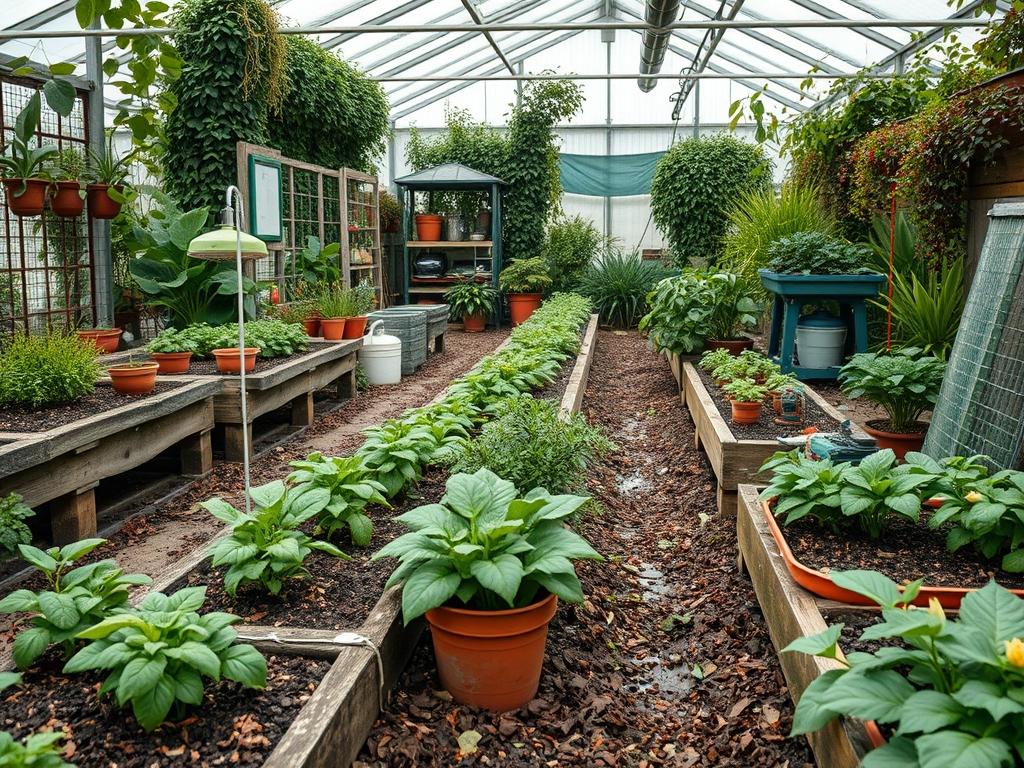
Modern landscape architecture represents a delicate equilibrium between biological vitality and structural precision. When designing a high-end residential outdoor environment, the primary challenge often lies in maintaining the aesthetic integrity of the space against the persistent pressures of local ecosystems. For the discerning homeowner, curb appeal is not merely about visual splendor; it is about the sustained functionality and health of a living investment. Traditional pest management often relies on reactive, labor-intensive interventions that can disrupt the visual harmony of a garden. However, the emergence of Automated Garden Pest Control systems has redefined how we approach site protection. By integrating technology directly into the infrastructure of the landscape, we can mitigate threats from invasive insects and wildlife before they compromise expensive specimens. This proactive posture ensures that the outdoor living areas remain a sanctuary rather than a battlefield against nature. A successful master plan considers the micro-climate, the existing topography, and the long-term maintenance requirements of every Hardscape element and botanical selection.
Landscape Design Principles
Achieving a professional-grade landscape requires a commitment to fundamental design principles that prioritize both form and function. Symmetry serves as the backbone of formal gardens, creating a sense of order and tranquility. For more contemporary or naturalistic designs, visual balance is achieved through the strategic distribution of mass and void. Focal points, such as a large Specimen Tree or a bespoke water feature, draw the eye and provide a sense of purpose to the layout. These focal points are often the areas most vulnerable to damage, necessitating the discrete placement of Automated Garden Pest Control sensors to monitor for activity without distracting from the view.
Elevation layers are essential for creating depth and interest. By utilizing Retaining Walls and terraced planting beds, we can manipulate the viewer’s perspective and maximize the usable square footage of sloped lots. These changes in elevation also play a critical role in pest management. Higher elevations generally benefit from better airflow, which reduces the moisture-rich environments where many fungal pathogens and insect larvae thrive. Irrigation planning must be meticulously integrated into the design phase. A modern Drip Irrigation System should be zoned according to the specific water demands of each plant grouping, preventing the oversaturation that often attracts pests like slugs or mosquitoes.
Walkways should be wide enough for comfortable passage, typically measuring at least 36 inches, and constructed from durable materials like Natural Stone or Permeable Pavers. The transition between hard and soft surfaces provides an opportunity to install physical barriers or recessed tech housing for automated deterrents. When we align the technical requirements of modern garden tech with the aesthetic principles of high-end design, the result is a landscape that is both beautiful and resilient. Proper spacing is paramount; every plant needs a designated volume of space to reach its mature size without competing for nutrients or light. This clarity in the layout allows for unobstructed sightlines for infrared sensors used in high-tech pest mitigation strategies.
Plant and Material Selection
| Plant Type | Sun Exposure | Soil Needs | Water Demand | Growth Speed | Maintenance Level |
| :— | :— | :— | :— | :— | :— |
| Buxus Microphylla | Full Sun to Part Shade | Well-drained, Loamy | Moderate | Slow | Medium |
| Lavandula Angustifolia | Full Sun | Sandy, Alkaline | Low | Moderate | Low |
| Echinacea Purpurea | Full Sun | Rich, Well-drained | Low to Moderate | Fast | Low |
| Miscanthus Sinensis | Full Sun | Versatile, Moist | Moderate | Fast | Moderate |
| Acer Palmatum | Part Shade | Acidic, Loamy | High | Slow | High |
| Taxus Media | Shade to Sun | Moist, Well-drained | Moderate | Slow | Low |
Implementation Strategy
The successful execution of a landscape plan begins with thorough site preparation. Grading is the most critical initial step; the ground must be sloped away from the foundation of the home at a minimum of 2 percent to ensure proper drainage. Once the primary grade is established, the layout of hardscaping elements like Patios and Stone Paths can begin. It is wise to install a 4-inch PVC Conduit beneath any permanent structures during this stage. This provides a protected pathway for future electrical wiring or irrigation lines, allowing for the seamless integration of Automated Garden Pest Control hubs without the need for destructive trenching later.
Edging provides the crisp definition required for a professional finish. Use Steel Edging or Aluminum Strips to separate lawn areas from planting beds. This prevents grass from encroaching on the garden and provides a clean line for the installation of motion-sensing pest deterrents. When planting begins, ensure that each hole is dug to twice the width of the root ball and exactly the same depth. Amending the soil with Organic Compost or Peat Moss will provide a healthy start, but be careful not to over-fertilize, as excessive tender growth can attract aphids and other pests.
Once the plants are in the ground, a layer of Hardwood Mulch should be applied across all beds. A depth of 3 inches is ideal; this is thick enough to suppress weeds and retain moisture but thin enough to allow for gas exchange in the soil. Avoid the “mulch volcano” around the bases of trees, as this can lead to trunk rot and harbor infestations. Finally, the automated systems can be calibrated. Ultrasonic emitters or smart-sprinklers should be positioned to cover the most high-value zones, such as Rose Bushes or Vegetable Plots, ensuring 360-degree protection.
Common Landscaping Failures
One of the most frequent errors in garden planning is poor drainage. Standing water is the primary catalyst for root rot and serves as a breeding ground for pests that can devastate a landscape. If a site has heavy clay soil, the installation of a French Drain or a Dry Well is often necessary to divert excess runoff. Soil compaction is another common failure, particularly in areas with high foot traffic or where heavy machinery was used during construction. Compacted soil lacks the pore space necessary for roots to breathe and for water to penetrate, leading to stressed plants that are highly susceptible to insect attacks.
Root overcrowding occurs when designers fail to account for the mature spread of a species. While a densely planted garden looks lush immediately upon completion, within five years, the plants will begin to choke one another, reducing airflow and light penetration. This creates a stagnant environment where pests can thrive unnoticed. Improper spacing also makes the application of Automated Garden Pest Control more difficult, as sensors require clear lines of sight to function with precision.
Irrigation inefficiencies often result from a “one size fits all” approach. Over-watering is just as damaging as under-watering. When high-tech irrigation controllers are not properly calibrated to local weather data, the resulting moisture imbalance can lead to fungal outbreaks or invite moisture-loving pests like earwigs and subterranean termites. Always ensure that the Spray Heads are adjusted to prevent water from hitting the foliage of sensitive plants like Hydrangeas, which can suffer from mildew.
Seasonal Maintenance
Spring is the season of renewal and intensive preparation. Begin by clearing away any debris or leaf litter that has accumulated over the winter. This is the optimal time to inspect the Irrigation System for leaks or clogged nozzles. Apply a slow-release fertilizer and refresh the Mulch layers to a consistent 3-inch depth. Prune dead or damaged wood from trees and shrubs to encourage vigorous growth. This is also when you should recalibrate your Automated Garden Pest Control sensors, as the emergence of new foliage can change the detection zones.
Summer maintenance focuses on survival and monitoring. During periods of extreme heat, the water demand will peak. Monitor the soil moisture regularly and adjust the smart timers on your Drip Lines accordingly. Keep an eye out for signs of heat stress or pest activity. Automated monitoring tools are invaluable during this period, providing real-time data on soil conditions and pest presence. Regular deadheading of flowering plants like Salvia or Echinacea will promote a second flush of blooms and keep the garden looking vibrant through the hottest months.
Autumn is reserved for clean-up and long-term planning. As the growth rate slows, focus on removing any fallen fruit or decaying vegetable matter, which are magnets for pests. This is the ideal time for planting new trees and shrubs, as the cooler temperatures and increased rainfall help roots establish before the first frost. Winterize the Irrigation System by blowing out the lines to prevent freezing damage. Ensure that all high-tech components of your pest control system are shielded from the elements or moved to indoor storage if necessary. Protecting the Root Zones of sensitive perennials with an extra layer of Straw or Bark Chips will ensure they return the following spring.
Professional Landscaping FAQ
What is the primary benefit of automated pest control?
Automation provides constant, 24-hour monitoring and targeted intervention. This reduces the need for broad-spectrum chemical applications and ensures that the landscape remains protected even when the homeowner is away, maintaining the aesthetic integrity of the outdoor space.
How deep should my planting beds be?
For most ornamental shrubs and perennials, a soil depth of 18 inches is recommended. This allows for deep root penetration and provides a buffer against moisture fluctuations. Use a high-quality mix of Topsoil and Organic Matter for best results.
Does automated pest control harm domestic pets?
Professional systems utilize ultrasonic frequencies or motion-activated water pulses that are designed to deter wildlife without causing harm. Most sensors can be calibrated to ignore the weight or height of common household pets like dogs or cats.
How do I prevent water from pooling on my patio?
Ensure the hardscape is installed with a 1 percent to 2 percent slope toward a designated drainage area. Utilizing Permeable Pavers or installing a Trench Drain along the edge of the patio can also effectively manage runoff.
When should I replace the mulch in my garden?
Organic mulch should be replenished once per year, typically in early spring. If the previous layer is still thick but faded, you can simply rake the surface to refresh the color or add a thin 1-inch top-dressing to maintain the depth.