
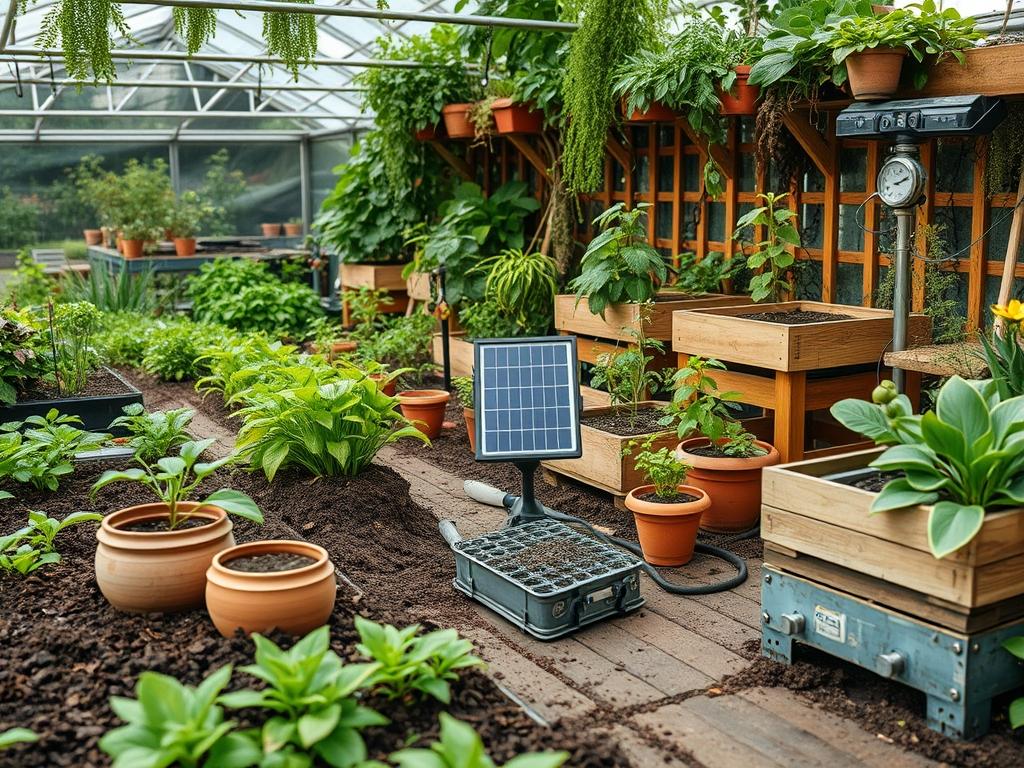
Modern landscape architecture has entered a phase where aesthetic beauty must coexist with extreme functional efficiency. As we look toward the design trends of 2026, the primary challenge for homeowners and developers involves balancing high curb appeal with the reality of fluctuating labor costs and tightening water restrictions. The integration of technology into the soil itself is no longer a luxury; it is a necessity for maintaining a high end environment. We are seeing a shift away from traditional, resource heavy lawns toward resilient, smart ecosystems that utilize solar powered garden gadgets to manage everything from nutrient delivery to spatial security. By implementing these autonomous solutions, a professional garden layout can achieve a level of precision that manual maintenance simply cannot match. Every element, from the retaining walls to the native plant beds, serves as a backdrop for a more intelligent, self-sustaining outdoor living space.
The year 2026 introduces several innovative solar powered garden gadgets that revolutionize how we interact with our micro-climates. Leading the list is the solar smart irrigation controller, which uses local weather data to adjust water flow through PVC piping and drip lines. Following this, the solar powered robotic mower has become a staple for keeping Kentucky Bluegrass at a uniform 3 inch height without the noise of gas engines. Third, we see the rise of intelligent soil probes that transmit nitrogen, phosphorus, and pH levels directly to a smartphone. Fourth, solar powered atmospheric misters allow for the cultivation of delicate ferns in drier climates by maintaining localized humidity. Fifth, high lumen solar uplighting provides architectural emphasis on mature Oak trees without the need for trenching expensive high voltage lines.
Further enhancing the 2026 garden are solar powered sonar pest deterrents that protect precious hostas from deer. Seventh, we have the solar fountain pump, which allows for water circulation in remote garden tiers to prevent mosquito breeding. Eighth, embedded solar resin pavers provide a seamless walkway glow that lasts until dawn. Ninth, solar powered automated cold frames now extend the growing season for vegetable gardeners by modulating lid temperature. Tenth, UV insect traps help maintain an ecological balance without chemical pesticides. Eleventh, solar powered security cameras disguised as decorative garden stones offer 360 degree protection. Finally, solar powered Wi-Fi extenders, hidden in the foliage, ensure that the entire 0.5 acre or larger lot remains connected for other smart devices.
Landscape Design Principles
Professional landscaping relies on a foundation of structural integrity and visual mathematics. Symmetry is the most immediate way to signal quality; it creates a sense of order that calms the viewer. By placing matching Boxwood shrubs on either side of a primary entrance, you establish a formal rhythm. However, visual balance does not always require identical mirrors. Asymmetrical balance uses different elements of similar visual weight, such as a large Japanese Maple balanced by a cluster of smaller Ornamental Grasses. Focal points are equally crucial; they draw the eye toward a specific feature, like a sculpture or a solar powered water feature, preventing the landscape from feeling cluttered or aimless.
Elevation layers add depth and a sense of luxury to a flat plot. A tiered garden using natural stone or timber sleepers allows for different plant heights, which creates a wall of greenery. This verticality is essential for privacy and for masking unsightly boundaries. Walkways should be planned with a logical flow, typically following the shortest distance between two points, or winding intentionally to encourage a slower pace. The width of a primary walkway should be at least 48 inches to allow two people to walk side by side comfortably. These paths should be bordered by distinct steel edging to keep mulch from migrating into the gravel or stone.
Plant and Material Selection
Selecting the right biological components is the most critical stage of the design process. Using native plants is the most effective way to ensure long term survival and minimize the need for supplemental irrigation. Below is a professional guide for common 2026 selections.
| Plant Type | Sun Exposure | Soil Needs | Water Demand | Growth Speed | Maintenance Level |
| :— | :— | :— | :— | :— | :— |
| Lavandula angustifolia | Full Sun | Well Drained | Low | Moderate | Low |
| Hydrangea macrophylla | Partial Shade | Humus Rich | High | Fast | Moderate |
| Picea glauca ‘Conica’ | Full/Partial | Loamy | Moderate | Slow | Very Low |
| Miscanthus sinensis | Full Sun | Adaptable | Low | Fast | Low |
| Heuchera | Full Shade | Moist Soil | Moderate | Moderate | Moderate |
| Buxus sempervirens | Full/Partial | Neutral pH | Moderate | Slow | High (Pruning) |
Implementation Strategy
A successful implementation starts with professional grading. You must ensure the ground slopes away from any permanent structures at a rate of at least 2 percent, which translates to a 2 inch drop for every 10 feet of distance. Once the grade is established, the layout of the hardscaping occurs. This involves digging trenches for drainage pipes and setting the foundation for any paver patios or fire pits. Always use a 4 inch layer of compacted crushed stone as a base for any stone work to prevent shifting during freeze and thaw cycles.
After the hardscape is set, the planting beds are carved out. It is advisable to use a heavy duty weed barrier fabric only under gravel areas, as it can suffocate soil health in planting beds. Instead, use a 3 inch layer of organic hardwood mulch to suppress weeds and retain moisture. When planting, the hole should be twice as wide as the root ball but no deeper. This ensures the roots can spread easily into the surrounding soil. Finally, the installation of solar powered garden gadgets happens after the heavy machinery is gone, allowing for a clean setup of sensors and lights.
Common Landscaping Failures
The most frequent mistake in amateur landscaping is poor drainage planning. Water that pools against a foundation or in the middle of a lawn can lead to root rot and basement flooding. Another common failure is root overcrowding. Many homeowners plant for the size of the shrub today, neglecting the fact that it may grow to 15 feet wide in a decade. This leads to plants competing for nutrients and ultimately dying. Improper spacing also reduces airflow, which increases the risk of fungal diseases.
Soil compaction is another silent killer of high end landscapes. Frequent foot traffic or heavy machinery compresses the earth, squeezing out the oxygen that roots need to breathe. This is why defined walkways are so important. Additionally, irrigation inefficiencies, such as watering in the middle of a hot day, lead to significant evaporation loss. This is where solar smart controllers excel, as they can be programmed to run during the optimal pre-dawn hours without manual intervention.
Seasonal Maintenance
Landscape management is a year round commitment that changes with the transit of the sun. In the spring, the focus is on cleanup and preparation. This involve removing dead foliage from perennials, applying a pre-emergent herbicide to prevent garden weeds, and checking that all solar panels on your gadgets are clean from winter grime. Summer requires vigilant watering and the deadheading of flowers to encourage new blooms. If using solar powered tools, ensure they are positioned to capture the maximum amount of direct sunlight as the angle of the sun changes.
Autumn is the season for soil fortification. Aerating the lawn and applying a layer of compost will provide the nutrients needed for the dormant winter months. It is also the time to plant spring blooming bulbs and move any sensitive electronics indoors if you live in a climate with extreme freezing. During the winter, the priority shifts to protecting plants from heavy snow loads and salt damage. For permanent solar assets, ensure that snow is cleared from the collectors regularly so that security and pathway lights remain functional despite the shorter days.
Professional Landscaping FAQ
How deep should my mulch layer be for weed suppression?
A professional standard is 3 inches of organic mulch. This depth is sufficient to block sunlight from weed seeds while still allowing oxygen and water to reach the plant roots. Exceeding 4 inches can lead to root suffocation and fungal issues.
Which solar gadget is most important for a new landscape?
The solar smart irrigation controller is the most vital. It protects your initial investment in plants by ensuring they receive the exact amount of water needed based on real time evaporation rates and soil moisture sensors, preventing both drought and overwatering.
Can solar powered lights work in a fully shaded garden?
Yes, if they use a remote panel. Many high end units allow the solar collector to be placed up to 15 feet away from the actual light fixture, enabling you to place the panel in a sunny spot while illuminating a shade garden.
Why is grading more important than plant choice?
Grading is the literal foundation of the environment. Without proper drainage, even the most expensive drought tolerant or native plants will die from root rot. Poor grading can also cause structural damage to your home, which is a costly repair.
How often should I test my soil pH?
You should test your soil at least once every two years. Factors like rainfall, fertilizer use, and the decomposition of organic mulch can shift the acidity levels over time, which affects the ability of your plants to absorb essential nutrients.