
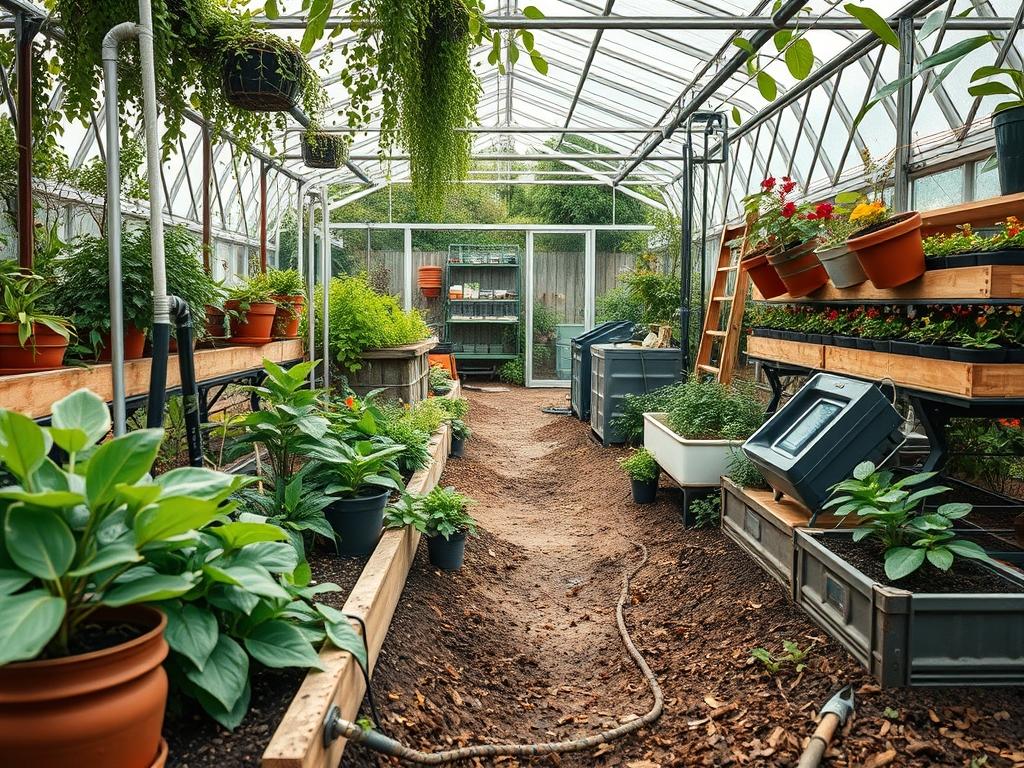
Designing a high-performance outdoor environment requires more than a simple appreciation for flora and aesthetics; it demands a rigorous understanding of the site’s microclimate, drainage patterns, and the integration of sustainable utility systems. As a landscape architect, I see many property owners struggle with the balance between visual appeal and operational costs. Traditional lighting and monitoring systems often involve invasive trenching through established root systems to lay electrical conduit. This process can be both prohibitively expensive and environmentally disruptive. The emergence of high-quality Solar Powered Outdoor Tech has revolutionized our ability to illuminate remote focal points, monitor site security, and automate irrigation without disturbing the underground ecosystem. Achieving professional results requires a holistic approach where technology serves the design, rather than overwhelming it.
Curb appeal is not merely about what is visible during the day. A well-designed landscape provides a seamless transition from the interior living space to the exterior environment, extending the home’s footprint after sunset. To achieve this, we look at the structural integrity of the lot, including the Retaining Walls and the Grading of the soil. When we incorporate modern technology, we prioritize components that disappear into the landscape during the hours of sunlight. Selecting the right Solar Powered Outdoor Tech means finding units with high-efficiency photovoltaic cells and durable lithium-ion batteries that can withstand temperature fluctuations. By placing these units strategically, we can highlight architectural features or specimen trees without the clutter of visible wiring or the need for an external power source.
Landscape Design Principles
Successful landscape architecture relies on six core principles that govern how a space feels and functions. Symmetry and visual balance provide a sense of order. For example, if you place a heavy group of Boxwood shrubs on the left side of a driveway, you must counter that weight on the right with a similar mass or a significant hardscape feature. Focal points are another critical element. These are the stars of your garden, often a large Japanese Maple or a bespoke stone sculpture. Utilizing focused solar spotlights can elevate these features, drawing the eye through the property in a controlled, intentional sequence.
Elevation layers are essential for creating depth. A flat yard often feels uninspired, so we utilize Retaining Walls to create tiered planting beds. This allows for a hierarchy of vegetation, with low-growing groundcovers like Creeping Thyme at the front and taller structural plants in the rear. Irrigation planning must also be integrated into the initial design. Even if you use drought-tolerant species, young plants require consistent moisture to establish their root systems. Many modern designers are now using solar-powered irrigation timers that detect soil moisture levels, ensuring water is only used when the Tensiometer indicates the ground is dry. Finally, walkways should serve as the circulatory system of the yard, guiding guests safely via path lights that produce at least 50 lumens of soft, guided light.
Plant and Material Selection
Selecting the right materials is a technical exercise in matching biological needs with local environmental constraints. The following table provides a breakdown of common selections for a resilient, low-maintenance landscape.
| Plant Type | Sun Exposure | Soil Needs | Water Demand | Growth Speed | Maintenance Level |
| :— | :— | :— | :— | :— | :— |
| Boxwood | Full Sun to Part Shade | Well-drained Loam | Moderate | Slow | Low |
| Lavender | Full Sun | Sandy/Gravelly | Low | Moderate | Moderate |
| Switchgrass | Full Sun | Adaptable | Low | Fast | Low |
| Hosta | Full Shade | Rich Organic | High | Moderate | Low |
| River Birch | Full Sun | Moist Acidic | High | Fast | Moderate |
| Sedum | Full Sun | Poor/Dry Soil | Very Low | Moderate | Very Low |
In addition to plants, the selection of hardscape materials defines the durability of the space. We often recommend Crushed Granite or River Rock for drainage areas and Interlocking Pavers for high-traffic zones. When choosing Solar Powered Outdoor Tech for these areas, ensure the housings are made of Powder-Coated Aluminum or Stainless Steel rather than thin plastics, as UV exposure will degrade inferior materials within a single season.
Implementation Strategy
The transition from a blueprint to a finished garden requires a disciplined step-by-step process. First, assess the Grading. Use a Line Level or a Transit Level to ensure the ground slopes away from the home’s foundation at a rate of at least 2 percent. Proper slope prevents hydrostatic pressure from building up against your walls. Once the grade is set, define your edges using Steel Edging or Pressure-Treated Timber. This creates a crisp boundary between the lawn and the planting beds, preventing grass from encroaching on your ornamental plants.
Next, address the drainage. In areas where water tends to collect, install a French Drain consisting of a perforated pipe surrounded by 3/4-inch Clean Stone and wrapped in Filter Fabric. This subterranean system manages runoff effectively. After the hardscaping and drainage are in place, begin the planting process. Use a Post-Hole Digger or a Power Auger for larger specimens to ensure the holes are twice as wide as the root ball. Before backfilling, mix the native soil with Organic Compost to give the plants a nutrient-rich start. Finally, apply a layer of Hardwood Mulch at a depth of 3 inches. This depth is critical for moisture retention and weed suppression, but be sure to keep the mulch away from the bark of the trees to prevent rot. During this phase, place your Solar Powered Outdoor Tech in areas where they will receive at least 6 hours of direct sunlight daily to ensure peak performance.
Common Landscaping Failures
The most frequent mistake in residential landscaping is improper spacing. Homeowners often buy plants based on their size at the nursery, forgetting that a White Spruce can grow to be 20 feet wide. Overcrowding leads to poor air circulation, which invites fungal diseases and pests. Furthermore, root overcrowding can eventually buckle nearby Sidewalks or interfere with underground utilities. Always research the mature spread of a species before digging.
Another significant failure is soil compaction. During construction or heavy renovation, heavy machinery can crush the pore spaces in the soil, preventing oxygen and water from reaching roots. To fix this, use a Core Aerator to pull plugs of soil from the ground, allowing the earth to breathe once more. Additionally, many people ignore the “solar budget” of their technology. Placing a solar-powered security camera under a dense tree canopy will lead to battery failure. You must ensure the collectors have a clear line of sight to the southern sky, especially during the shorter days of winter. Finally, irrigation inefficiencies, such as watering during the heat of the day, can result in 30 percent water loss due to evaporation. Automated solar controllers should be set to run in the early morning hours when the air is still and cool.
Seasonal Maintenance
A landscape is a living entity that requires a seasonal management plan to remain healthy and attractive. In the spring, the primary focus is on rejuvenation. Use a Rake to remove winter debris and apply a balanced 10-10-10 Fertilizer to stimulate new growth. This is also the time to prune summer-blooming shrubs using Bypass Pruners to maintain their shape. As summer arrives, the focus shifts to hydration and pest management. Monitor your Drip Irrigation lines for clogs and ensure that your Solar Powered Outdoor Tech panels are wiped clean of pollen and dust to maintain charging efficiency.
Autumn is the season for preparation and planting. The cooler temperatures and increased rainfall provide the ideal conditions for establishing new trees and shrubs. It is also the time to clean out your Gutters and check that your Downspout Diverters are directing water toward your drainage systems. As winter approaches, protect sensitive plants with Burlap Wraps and disconnect any outdoor water sources to prevent freezing. For your solar devices, check that the batteries are holding a charge. In extremely cold climates, some high-end Solar Powered Outdoor Tech allows for the removal of the battery units to be stored indoors during the harshest months, preserving their longevity for the following year.
Professional Landscaping FAQ
How do I choose the right solar light brightness?
For pathways, aim for 50 to 100 lumens to ensure safety without glare. For accenting trees or architectural features, look for adjustable spotlights that offer 200 to 400 lumens to create dramatic contrast against the dark night sky.
Can solar technology work in shady yards?
Solar tech requires direct UV exposure. In shaded yards, look for “remote panel” units. These allow you to place the light in the shade while mounting the charging panel on a nearby fence or roof that receives consistent, direct sunlight.
What is the best way to prevent weeds permanently?
Permanent prevention requires a multi-layered approach. Use a heavy-duty Landscape Fabric topped with 3 inches of mulch or stone. For the best results, use a Pre-emergent Herbicide in early spring to stop weed seeds from germinating in the first place.
How often should I clean my solar panels?
Clean the panels every 3 months to ensure maximum efficiency. Dust, bird droppings, and salt spray can significantly reduce the ability of the photovoltaic cells to convert light. Use a soft damp cloth and avoid abrasive chemical cleaners.
Why are my solar lights dimming after a few hours?
This usually indicates a failing battery or insufficient daytime charging. Ensure the panel is not obstructed by new plant growth. If the unit is over two years old, replace the internal Rechargeable NiMH or Lithium battery with a new one.