
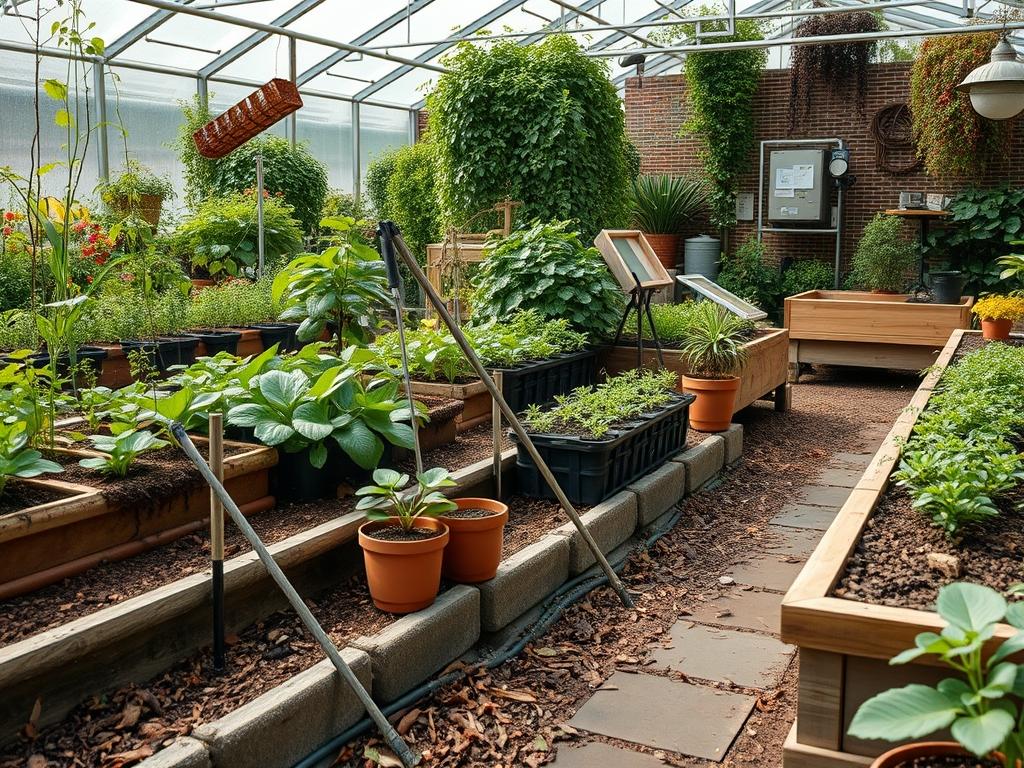
The modern landscape is no longer just a collection of flora and hardscape elements; it is a living ecosystem that requires precise management to thrive. Homeowners often face the daunting challenge of maintaining curb appeal while balancing a busy professional life. Climate volatility, characterized by unpredictable rainfall and temperature swings, further complicates the traditional gardening approach. This is where smart garden automation tips become essential for the contemporary property owner. By integrating technology into the outdoor environment, we can achieve a higher level of functionality, ensuring that irrigation, lighting, and nutrient delivery are handled with surgical precision. A well executed automated system does more than just save time; it protects your investment by preventing plant stress and optimizing resource usage.
Landscape Design Principles
Effective landscape design serves as the skeletal structure for any automation project. Symmetry is often the first principle we apply to create a sense of formal elegance, particularly in front entryways where curb appeal is paramount. When planning for automation, symmetry must be mirrored in your irrigation zones to ensure that mirrored plantings receive identical water volume. Focal points, such as a large Specimen Oak or a sculptural Basalt Fountain, should be identified early in the process. These elements act as the anchors for your smart lighting system, allowing you to program highlight sequences that shift with the seasons.
Elevation layers are another critical consideration. In a professional layout, we move from low groundcovers to mid-story shrubs and finally to the canopy. Automation allows us to treat these layers as distinct zones. For example, the Drip Emitters at the base of your Boxwood Hedge require a different frequency than the overhead spray for a Kentucky Bluegrass lawn. Visual balance is maintained by ensuring that no single area becomes overgrown or neglected, a task made simpler by robotic maintenance tools. Walkways should be planned with integrated conduit, allowing for future expansions of sensor wires or low voltage lighting without disrupting the established Flagstone or Pavers.
Plant and Material Selection
Selecting the right biological components is the prerequisite for a successful automated system. While technology can bridge many gaps, it cannot save a plant placed in the wrong habitat. Below is a selection of resilient plants suited for automated environments.
| Plant Type | Sun Exposure | Soil Needs | Water Demand | Growth Speed | Maintenance Level |
| :— | :— | :— | :— | :— | :— |
| Lavender | Full Sun | Well-Drained | Low | Moderate | Low |
| Japanese Maple | Partial Shade | Loamy/Acidic | Moderate | Slow | Medium |
| Switchgrass | Full Sun | Variable | Low | Fast | Low |
| Hosta | Shade | Moist/Rich | High | Moderate | Low |
| Hydrangea | Partial Sun | Rich/Humus | High | Fast | Medium |
| Sedum | Full Sun | Sandy/Poor | Very Low | Slow | Low |
Implementation Strategy
The successful implementation of smart garden automation begins with a thorough site analysis. Before any soil is moved, you must assess the grading of your property. Proper drainage is the foundation of any landscape; water must move away from the home foundation and toward designated collection points or bioswales. Begin by marking your utilities and then grading the site to a 2 percent slope where possible. Once the skeleton of the garden is set, install your hardscaping, including Retaining Walls and Stone Paths.
Next, lay your irrigation infrastructure. For beginners, a Smart Irrigation Controller is the most impactful upgrade. These devices use local weather data to skip cycles during rain events. Use PVC Pipe for main lines and Polyethylene Tubing for lateral drip lines. When planting, ensure you are using Hardwood Mulch at a depth of 3 inches to retain the moisture your automated system provides. Edging is also vital; use Steel Edging or Aluminum Edging to create clean borders that a Robotic Lawnmower can easily navigate. This prevent the mower from wandering into your Perennial beds and damaging sensitive root systems.
Common Landscaping Failures
One of the most frequent mistakes in new landscapes is the neglect of soil health. Soil compaction occurs during construction when heavy machinery is used, preventing oxygen and water from reaching roots. Always aerate the soil before planting. Another common failure is improper spacing. It is tempting to plant closely for immediate impact, but this leads to root overcrowding and poor air circulation within 3 years. Follow the specific spacing recommendations for each species to ensure long term health.
Irrigation inefficiencies also plague many DIY projects. Over-watering is just as damaging as under-watering; it leads to root rot and fungal pathogens. Without Soil Moisture Sensors, many homeowners run their systems on a simple timer, regardless of actual earth conditions. Furthermore, failing to account for the “rain shadow” effect near large structures can leave certain plants perpetually dry. Finally, ensure that your Drainage Grates are kept clear of debris; even the smartest garden will fail if it sits in standing water after a summer storm.
Seasonal Maintenance
Garden automation shifts the bulk of maintenance from manual labor to system monitoring, but seasonal checks remain necessary. In the spring, calibrate your Smart Controller and check for leaks in the Drip Lines that may have occurred due to ground freeze. This is also the time to apply a fresh layer of Mulch and check the batteries in any wireless sensors. As we move into summer, monitor your Soil Moisture Sensors to ensure they are accurately reading the heat stress on your Native Grasses and Ornamentals.
Autumn requires a transition toward dormancy. Gradually reduce the watering frequency as evaporation rates drop. It is essential to blow out your irrigation lines with an Air Compressor before the first hard freeze to prevent pipe bursts. In winter, focus on the electrical components. Ensure your Smart Lighting is adjusted for the shorter days and verify that your Robotic Mower is cleaned and stored in a dry, temperate environment. Winter is also the ideal time to review the data collected by your weather station to plan additions for the following year.
Professional Landscaping FAQ
How much water does a typical smart system save?
Most homeowners see a reduction in water usage of 30 percent to 50 percent. By using Weather Based Controllers and Soil Sensors, the system only delivers moisture when the plant actually requires it, eliminating wasteful scheduled cycles during rain.
Can I install smart automation in an existing landscape?
Yes, most traditional systems can be retrofitted. You can replace a standard clock-based timer with a Smart Irrigation Hub and swap standard spray heads for high efficiency Rotary Nozzles without digging up your entire lawn or garden bed.
Are robotic mowers safe for yards with pets?
Modern Robotic Mowers use Ultrasonic Sensors and physical bump sensors to detect obstacles. They move slowly and feature enclosed blades that stop instantly if the unit is tilted or lifted; making them very safe for households with active pets.
What is the best mulch for automated drip zones?
Triple Shredded Hardwood Mulch is excellent because it stays in place and breaks down slowly. It provides silver-standard insulation for Drip Tubing, protecting the lines from UV degradation while maintaining consistent soil temperature for the automated delivery of water.
Do smart garden devices require a strong Wi-Fi signal?
Yes, most Smart Hubs require a stable connection to access weather data. If your garden is large, you may need an Outdoor Wi-Fi Extender or a Mesh Network Node housed in a weather-resistant enclosure to ensure consistent connectivity.