
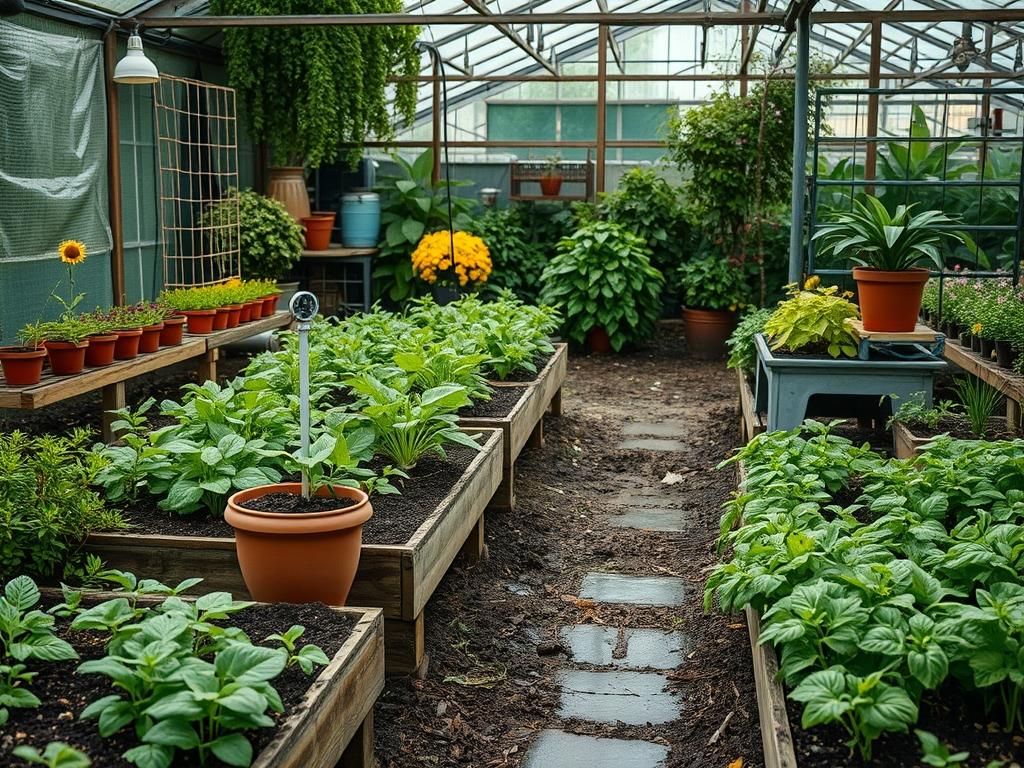
Modern property development has shifted its focus from simple aesthetic enhancements to the creation of cohesive, high-performance outdoor environments. The primary challenge for any landscape architect is reconciling the static nature of hardscaping with the dynamic, unpredictable growth of organic matter. A well-designed garden must perform year-round; it should provide security, facilitate recreation, and enhance the architectural silhouette of the main structure. Integrating Automated Garden Lighting Tech into these spaces has revolutionized the way we approach functionality. No longer is a garden limited by the setting sun. Instead, smart systems allow the landscape to morph in character as evening falls, highlighting specific architectural features while ensuring safe passage along Walkways. This integration requires a deep understanding of climate variables, as extreme temperatures and moisture levels dictate the longevity of both the plant life and the electrical components. Achieving high curb appeal is not merely about selecting vibrant flowers; it is about the strategic orchestration of light, shadow, and structural form.
Landscape Design Principles
Successful landscape design rests on the mastery of visual balance and spatial organization. Symmetry often serves as the foundation for formal gardens, where mirrored plantings of Boxwood produce a sense of order and prestige. Conversely, asymmetrical designs lean on the weights of different textures and heights to create a naturalistic flow. One must identify a focal point, such as a large Specimen Tree or a bespoke water feature, to anchor the viewer’s gaze. From this center, the designer expands outward using elevation layers. Utilizing Retaining Walls built from Natural Stone or Concrete Masonry Units allows for the creation of terraces, which add vertical interest to flat lots and help manage soil erosion on sloped terrain.
Movement through the space is facilitated by Flagstone or Paver paths, which should be wide enough for two people to walk comfortably side-by-side. These paths also serve as the conduit for underground utilities. When planning the layout, irrigation zones must be mapped simultaneously with the placement of low-voltage wires for Automated Garden Lighting Tech. This ensures that the water demand of high-maintenance zones does not interfere with the electrical housing of uplights or path markers. Visual balance is further achieved by mixing deciduous plants with Evergreens, ensuring that the garden does not appear empty during the winter months. Smart controllers can now link these elements, adjusting light intensity based on the moisture levels detected by soil sensors, creating a truly responsive ecosystem.
Plant and Material Selection
| Plant Type | Sun Exposure | Soil Needs | Water Demand | Growth Speed | Maintenance Level |
| :— | :— | :— | :— | :— | :— |
| English Lavender | Full Sun | Sandy, Well-drained | Low | Moderate | Medium |
| Japanese Maple | Partial Shade | Rich, Loamy | Medium | Slow | Medium |
| Emerald Green Arborvitae | Full Sun | Moist, Loamy | Medium | Moderate | Low |
| Hosta | Full Shade | High Organic Matter | Medium | Moderate | Low |
| Blue Star Creeper | Full/Partial | Standard Potting | Moderate | Fast | Low |
| Feather Reed Grass | Full Sun | Heavy Clay/Loam | Low | Fast | Low |
Implementation Strategy
The transition from a conceptual blueprint to a physical reality begins with professional grading. Proper site preparation ensures that water flows away from the home foundation and toward designated drainage basins. Using a Skid-steer or manual Shovel, the land is contoured to prevent pooling. Following the grading, the installation of French Drains or subterranean pipes is necessary for managing heavy rainfall. Once the skeleton of the garden is set, the hardscaping phase commences. This includes the laying of Base Rock and Sand for patios and the installation of conduits for the Automated Garden Lighting Tech. It is vital to bury these lines at least 6 inches deep to protect them from future aeration or tilling.
With the infrastructure in place, the focus shifts to Edging. Steel or heavy-duty plastic edging creates a crisp boundary between turf grass and planting beds, preventing invasive root spread. When placing plants, the hole should be twice as wide as the root ball but no deeper. This promotes outward root expansion into the native soil. After planting, a layer of Hardwood Mulch should be applied at a depth of 3 inches. This organic layer suppresses weeds, regulates soil temperature, and retains moisture. Finally, the lighting fixtures are positioned to graze the textures of the foliage or create silhouettes against the Retaining Walls, with the automated system programmed to sync with local astronomical clocks.
Common Landscaping Failures
The most frequent error in residential landscaping is improper drainage management. When water is allowed to stagnate near root zones, it creates anaerobic conditions that lead to root rot and the eventual death of expensive Specimen Trees. Another common mistake is root overcrowding, which occurs when homeowners ignore the mature spread of a plant at the time of installation. A tiny Oak Tree sapling may look appropriate near a house today, but in twenty years, its root system can compromise the foundation and its branches can damage the roofline.
Soil compaction is an often overlooked failure, particularly in new construction. Heavy machinery compresses the earth, destroying the pore spaces necessary for oxygen and water to reach roots. Failure to amend this soil before planting leads to stunted growth. In the realm of technology, many fail by not using waterproof connectors for their Automated Garden Lighting Tech. Corroded wires are the leading cause of system failure in outdoor environments. Lastly, irrigation inefficiencies, such as “volcano mulching” where Mulch is piled against a tree trunk, can trap moisture against the bark and invite fungal infections and pest infestations.
Seasonal Maintenance
A pristine landscape requires a rhythmic maintenance schedule that fluctuates with the seasons. In the spring, the priority is rejuvenation. This involves removing winter debris, pruning deadwood from Hydrangeas, and applying a slow-release fertilizer to stimulate new growth. This is also the time to inspect the Automated Garden Lighting Tech for any lens fogging or shifted fixtures caused by soil heaving during the thaw. Summer shifts the focus to hydration and pest management. Irrigation systems should be checked weekly for clogged nozzles, and the Automatic Timers should be adjusted to account for the longer daylight hours.
Autumn is the season for preparation and planting. The soil is still warm, making it the ideal time for the roots of new Perennials to establish themselves. Falling leaves must be cleared promptly from Pathways and Turf to prevent mold growth and to keep light sensors unobstructed. As winter approaches, the landscape architect must ensure the system is winterized. This includes blowing out irrigation lines to prevent freezing and cutting back ornamental grasses like Karl Foerster. While the plants remain dormant, the lighting system takes center stage, providing essential visibility and security through the darkest months of the year. Consistent care ensures that the structural integrity of the garden remains intact for decades.
Professional Landscaping FAQ
How does automated lighting improve plant health?
While light itself does not change biology, smart systems reduce human traffic in planting beds at night. By illuminating Walkways clearly, people stay on the Hardscaping, preventing the soil compaction that often kills delicate root systems near garden edges.
What is the best mulch for weed suppression?
A 3 inch layer of double-ground Hardwood Mulch is most effective. It mats together to block sunlight from reaching weed seeds while allowing water to penetrate. Avoid thin layers, as they fail to provide the necessary thermal barrier for the soil.
Can I integrate lighting with my existing irrigation?
Many modern Smart Controllers allow for unified management. By using a central hub, you can sync your Automated Garden Lighting Tech with your moisture sensors, ensuring that the lights dim or change color if a leak is detected in the line.
How far apart should I space my shrubs?
Spacing depends on the specific species’ mature width. Always consult a growth chart and measure from the center of one plant to the next. Proper spacing prevents the air stagnation and nutrient competition that lead to widespread fungal diseases.
Why is my patio sinking in specific spots?
This usually indicates poor Base Rock compaction or a failure in the underlying Geotextile Fabric. If the soil underneath was not properly leveled and vibrated with a Plate Compactor before the Pavers were laid, settling is inevitable during heavy rain.