
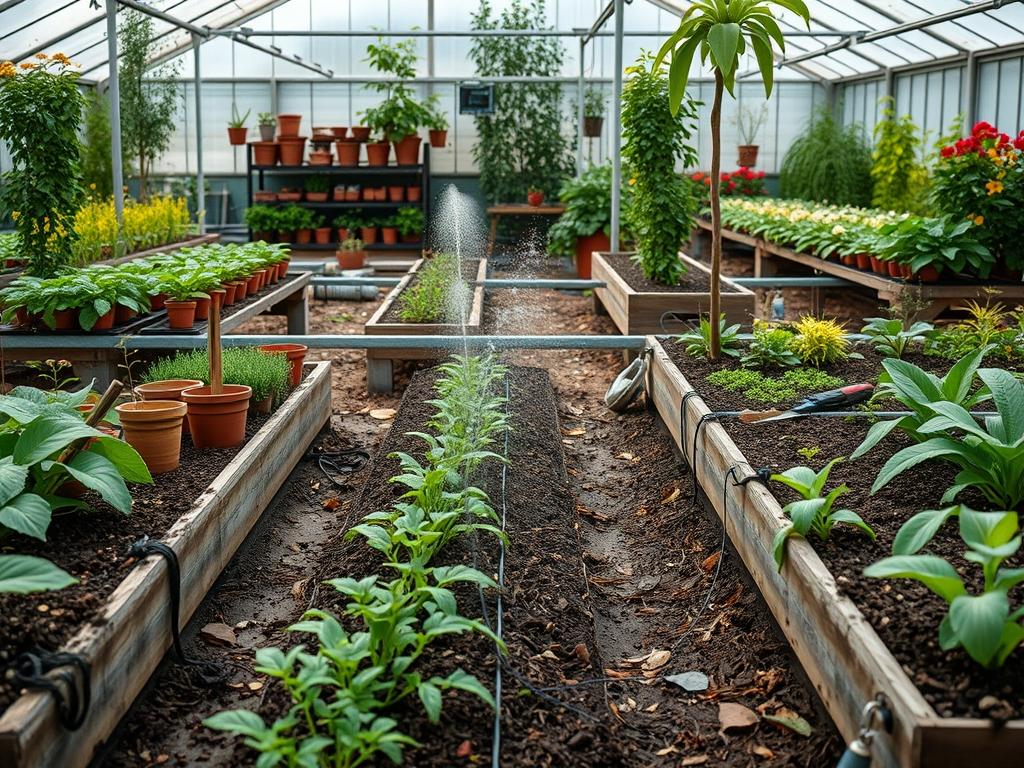
The transition from a traditional garden to a high performance outdoor environment requires more than just high quality soil and aesthetic plant choices. Modern residential landscapes face increasing pressure from erratic weather patterns and rising water costs, making efficient resource management a central pillar of design. At the heart of this efficiency is Smart Irrigation Zone Control. This technology allows a homeowner to treat their property as a collection of unique microclimates rather than a single homogeneous block of land. By aligning the technological capabilities of a smart controller with the biological needs of specific plants, we can enhance curb appeal while significantly reducing waste. Success begins with understanding that a well designed landscape is a living machine where every component, from the retaining wall to the delicate groundcover, plays a role in the thermal and hydraulic balance of the site.
Effective landscape architecture seeks to solve the tension between human desire for beauty and the environmental reality of the site. When we design for Smart Irrigation Zone Control, we are essentially mapping out the hydraulic architecture of the property. This involves analyzing the interaction between sun exposure, soil percolation rates, and local wind patterns. A poorly planned zone can lead to the death of expensive specimens or the saturation of foundation soils, leading to structural issues. By prioritizing precision in the initial design phase, the landscape architect ensures that the outdoor space remains functional and vibrant through the hottest months of the summer.
Landscape Design Principles
Professional garden planning relies on several fundamental principles that ensure visual harmony and long term viability. Symmetry and balance are the most immediate visual indicators of a professionally designed space. We use focal points, such as a large Specimen Oak or a sculptural water feature, to draw the eye and provide a sense of hierarchy. However, beneath this visual layer, there must be a layer of functional zoning. This is often referred to as hydrozoning, which is the practice of grouping plants with similar water requirements into the same irrigation zone.
Elevation layers also play a critical role in how water moves across the property. A multi tiered garden with natural stone retaining walls creates different drainage profiles. Plants at the top of a slope will generally dry out faster than those at the base. Consequently, your Smart Irrigation Zone Control must be programmed to account for this gravitational movement. A zone at the bottom of a hill might only require 50 percent of the water used at the crest to achieve the same soil moisture level.
Walkways and hardscaping elements serve as more than just paths for foot traffic; they act as thermal masses and water barriers. When planning these structures, it is essential to leave adequate space for PVC piping and lateral lines to pass underneath without risking future root intrusion or soil compaction. Visual balance is achieved when the density of the planting beds mirrors the scale of these hard elements, creating a cohesive environment that feels both sturdy and lush.
Plant and Material Selection
Choosing the right components for your landscape involves balancing aesthetic goals with the practical limitations of your local climate. The following table provides a guide for selecting species that are often integrated into modern smart systems.
| Plant Type | Sun Exposure | Soil Needs | Water Demand | Growth Speed | Maintenance Level |
| :— | :— | :— | :— | :— | :— |
| Lavender | Full Sun | Well Drained | Low | Medium | Low |
| Japanese Maple | Partial Shade | Loamy/Acidic | Moderate | Slow | High |
| Dwarf Boxwood | Full to Partial | Neutral | Moderate | Slow | Medium |
| Blue Fescue | Full Sun | Sandy/Poor | Low | Fast | Low |
| Hostas | Deep Shade | Rich/Moist | High | Medium | Low |
| Feather Reed Grass | Full Sun | Clay/Heavy | Moderate | Fast | Low |
In addition to plant life, the selection of mulch and soil amendments is vital. Using arborist wood chips or shredded cedar mulch at a depth of 3 inches helps retain moisture, which allows the Smart Irrigation Zone Control to skip cycles more frequently. For the soil, adding organic compost improves the cation exchange capacity, ensuring that the water delivered by the smart system is actually held near the root zone rather than leaching away into the subsoil.
Implementation Strategy
Implementing a professional garden layout requires a systematic approach to prevent costly revisions later. The process begins with a detailed site survey. Use a 100 foot tape measure to map out the boundaries, existing utilities, and any permanent structures. This map should also denote high and low points to identify where water will naturally collect.
The second step is grading. Proper grading ensures that water flows away from the home foundation and toward designated drainage areas or rain gardens. Once the land is shaped, install the hardscaping elements. This includes paver patios, walkways, and fire pits. It is crucial to install sleeves under these permanent structures during this phase. A 4 inch PVC sleeve allows you to run irrigation lines or lighting wires later without having to tear up your new masonry.
Next, focus on the irrigation infrastructure. For a Smart Irrigation Zone Control system, you will need a central Smart WiFi Controller, solenoid valves, and flow sensors. Install the valves in a centrally located valve box for easy access. When laying out the zones, ensure that the drip emitters or rotary nozzles provide head to head coverage. This means the spray from one head should reach the next head, eliminating dry spots. Finish the installation by applying landscape fabric in weed prone areas, though many professionals prefer high quality mulch to allow for better soil gas exchange.
Common Landscaping Failures
One of the most frequent mistakes in landscape design is improper drainage. When water pools against a house or in a garden bed, it leads to anaerobic soil conditions and root rot. Many homeowners believe a smart controller will fix this, but a controller can only manage the delivery of water, not its exit. Another common failure is root overcrowding. Planting a Leyland Cypress only 3 feet away from a structure might look good initially, but within five years, the roots will likely interfere with foundations or irrigation lines.
Improper spacing of plants often leads to poor air circulation, which invites fungal diseases. This is particularly problematic in zones that are heavily irrigated. Furthermore, soil compaction is a silent killer of new landscapes. When heavy machinery is used during construction, the soil is crushed to the point where oxygen cannot reach the roots. A professional will use a broadfork or mechanical aerator to loosen the soil before any planting occurs. Finally, irrigation inefficiencies often stem from “clipping” where water hits a fence or wall rather than the soil. This can be corrected by choosing the right spray nozzles and adjusting the arcs during the final system calibration.
Seasonal Maintenance
A landscape is not a static installation; it is a developing ecosystem that requires seasonal adjustments. Spring is the time for system audits. Turn on each zone of your Smart Irrigation Zone Control and check for leaks or clogged filters. This is also when you should apply a balanced slow release fertilizer to support new growth.
During the summer, the focus shifts to moisture management. Your smart controller should be set to use Evapotranspiration (ET) data to adjust watering times based on heat and humidity. Mid summer is a good time to check your mulch depth and replenish any areas where it has thinned out. This protects the soil from the intense sun.
Autumn is reserved for preparation. This is the best time for planting perennials and deciduous trees as it allows roots to establish in cooler temperatures. You should also calibrate your irrigation to account for the reduced water needs of plants entering dormancy. Finally, winter maintenance involves winterizing the system. In colder climates, use an air compressor to blow out any remaining water in the PVC lines to prevent freezing and bursting.
Professional Landscaping FAQ
How does a smart controller save more water than a timer?
Smart controllers use real time weather data and soil moisture sensors to skip irrigation cycles during rain or high humidity. This eliminates unnecessary watering, whereas a standard timer runs regardless of the actual environmental conditions on the ground.
What is the best way to prevent weeds in new beds?
Maintaining a consistent 3 inch layer of organic mulch is the most effective method. It blocks sunlight from reaching weed seeds while simultaneously improving soil health as it decomposes. Manual weeding or targeted applications of pre emergent herbicide can also help.
Can I mix different plant types in one zone?
You should only mix plants with similar water and light requirements. Placing a drought tolerant Lavender in the same zone as a water hungry Hosta will result in one plant either drowning or drying out completely.
How deep should my irrigation lines be buried?
Main lines should typically be buried 12 to 18 inches deep to protect them from shovel strikes and frost. Lateral lines that lead to individual heads can be slightly shallower, usually around 8 to 12 inches deep.
Why is my smart system watering for very short periods?
The system is likely using a “cycle and soak” feature. This breaks the total watering time into shorter intervals to allow the soil time to absorb the water, which prevents runoff and ensures deeper root penetration in heavy soils.