
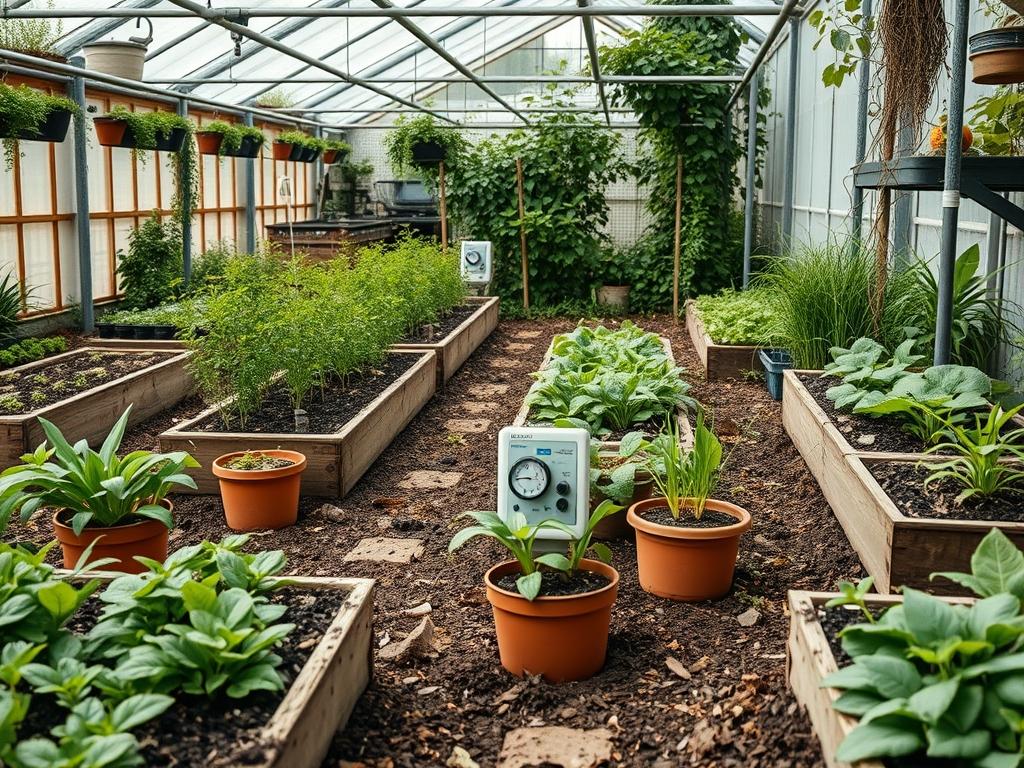
The transformation of a residential exterior from a simple plot of land into a sophisticated outdoor environment requires a meticulous blend of horticultural science and architectural vision. When we approach a professional landscape project, the primary objective is to extend the home’s living space into the natural world while ensuring the design remains functional at all hours. Curb appeal is often considered a daytime metric, yet the true value of a landscape is realized when dusk falls and the structural elements are highlighted by a well-planned illumination strategy. Integrating Smart Garden Light Timers allows a designer to choreograph the visual experience, ensuring that walkways are safe, focal points are accentuated, and energy consumption is minimized. This transition between day and night functionality is not merely a technical task; it is an essential component of professional site planning that considers local climate, security, and the psychological impact of a serene outdoor environment.
Effective outdoor lighting serves as the connective tissue between disparate garden elements. A landscape that looks magnificent at noon may become a series of hazardous shadows at night without a programmed system to manage the flow of light. By utilizing Smart Garden Light Timers, homeowners can synchronize their outdoor environment with the astronomical clock, adjusting automatically for shorter winter days or the extended light of the summer solstice. This automation ensures that the design principles we implement, such as symmetry and elevation layering, are visible precisely when they are most needed. High-end landscaping is an investment in lifestyle, and the ability to control that environment through intelligent programming is what separates a standard backyard from a curated professional estate.
Landscape Design Principles
Professional landscaping begins with the concept of spatial organization. We view the garden as a series of rooms, each requiring a specific balance of symmetry and focal points. Symmetry is achieved through the mirroring of structural plants or hardscape features, providing a sense of order and tranquility. For example, placing two Italian Cypress trees on either side of a formal entryway creates a classical Frame. However, visual interest is sustained through the strategic use of focal points, such as a large Granite Boulder, a custom water feature, or a specimen plant like a Japanese Maple. These elements act as anchors for the eye, and their impact is magnified at night when Smart Garden Light Timers activate precise uplighting techniques.
Elevation layers are another critical design pillar. A flat yard lacks the dynamic energy of a multi-tiered environment. We create depth by utilizing Retaining Walls and Berms, which allow for varying heights of vegetation. The lowest layer typically features groundcovers or low-voltage path lights, while the mid-tier includes shrubs and decorative grasses. The highest layer consists of the canopy, where “moonlighting” effects can be achieved by placing fixtures high in the branches of mature trees. To maintain this balance, irrigation planning must be integrated into the initial layout. A landscape cannot thrive if the Drip Irrigation lines are not mapped according to the specific water needs of each elevation. Furthermore, walkways must be wide enough for comfortable passage, typically a minimum of 36 inches, and should be constructed from materials that complement the home’s architecture, such as Flagstone or Pavers.
Plant and Material Selection
Selecting the right materials involves more than just aesthetic preference; it requires a deep understanding of the local ecosystem and the physical properties of the soil. The following table provides a guide for common plant types used in professional designs to achieve a layered, resilient landscape.
| Plant Type | Sun Exposure | Soil Needs | Water Demand | Growth Speed | Maintenance Level |
| :— | :— | :— | :— | :— | :— |
| Boxwood (Buxus) | Full Sun to Part Shade | Well-drained, Loamy | Moderate | Slow | Moderate (Pruning) |
| Lavender (Lavandula) | Full Sun | Sandy, Alkaline | Low | Medium | Low |
| Japanese Maple | Filtered Sunlight | Rich, Acidic | High | Slow | Low to Medium |
| Feather Reed Grass | Full Sun | Clay or Loamy | Moderate | Fast | Very Low |
| Blue Star Creeper | Full Sun to Part Shade | Moist, Well-drained | Moderate | Medium | Low |
| Oak Tree (Quercus) | Full Sun | Deep, Versatile | Low (Once Mature) | Slow to Medium | Low |
In addition to plant life, the choice of inorganic materials is vital for longevity. For high-traffic areas, we recommend Crushed Granite or River Rock rather than organic mulch, as these materials do not decompose and provide superior drainage. When choosing lighting hardware, look for Brass or Copper Fixtures that weather naturally over time, providing a timeless patina that blends into the foliage.
Implementation Strategy
The transition from a design on paper to a physical landscape involves several technical stages, starting with grading. Proper grading ensures that water flows away from the home’s foundation and toward designated Swales or French Drains. Without a correct slope, even the most beautiful garden will suffer from stagnant water and root rot. Once the grade is established, we define the bones of the garden using Edging Materials like heavy-gauge steel or concrete curbing. This creates a clean “V-trench” that prevents turf grass from encroaching on the planting beds.
Hardscaping comes next. This includes the installation of Patios, Decks, and Walkways. We often use a base of 4 inches of compacted gravel topped with 1 inch of sand to ensure that pavers remain level over time. During this phase, it is crucial to run Low-Voltage Conduit under any hard surfaces to allow for the installation of lighting later. Integrating Smart Garden Light Timers at this stage is more efficient; the transformer should be mounted in a discreet but accessible location, such as a garage or a weather-proof outdoor cabinet. Finally, we apply a layer of Hardwood Mulch at a depth of 3 inches around new plantings to retain moisture and suppress weeds.
Common Landscaping Failures
The most frequent mistake in residential landscaping is poor drainage. If a site is not properly analyzed for its “percolation rate,” water will collect in low spots, leading to soil compaction and the eventual death of expensive specimens. Another common error is root overcrowding. Many homeowners plant for immediate impact, forgetting that a Leyland Cypress can grow to 20 feet wide. Within five years, the plants begin to compete for nutrients and light, resulting in a cluttered and unhealthy garden. Improper spacing is a hallmark of amateur design; always follow the “mature width” guidelines provided by the nursery.
Soil compaction is another silent killer of landscapes. During construction, heavy machinery often packs the earth so tightly that tiny air pockets are crushed, preventing roots from absorbing oxygen. We mitigate this by tilling Organic Compost into the soil before planting. Lastly, irrigation inefficiencies often plague large estates. Over-watering is just as damaging as under-watering; using a smart controller alongside Smart Garden Light Timers can help create a unified “Smart Yard” ecosystem where both water and light are delivered precisely when needed based on real-time weather data.
Seasonal Maintenance
A landscape is a living entity that requires specific care throughout the year. In the Spring, the focus is on renewal. This is the time to prune dead wood from shrubs, apply a fresh layer of Slow-Release Fertilizer, and inspect the lighting system for any wires that may have been disturbed by frost heaving. Check your Smart Garden Light Timers to ensure they are reflecting the earlier sunrise times. Summer maintenance revolves around water management and weed control. Deadheading spent blooms on Perennials encourages a second flush of flowers, while checking the Irrigation Emitters for clogs ensures the garden survives the heat.
As Autumn arrives, the priority shifts to leaf removal and bulb planting. Large accumulations of leaves can suffocate the grass and create a habitat for pests. This is also the best time to plant new trees, as the cooler air and warm soil encourage root growth without the stress of high heat. Finally, during the Winter, maintenance is largely structural. Protect sensitive plants with Burlap Wraps if a deep freeze is expected. Ensure that your Smart Garden Light Timers are adjusted for the long nights, providing essential security lighting and highlighting the “winter interest” of the landscape, such as the peeling bark of a heritage Birch tree or the architectural silhouette of a dormant Ornamental Grass.
Professional Landscaping FAQ
What is the benefit of a smart light timer over a photocell?
Smart Garden Light Timers offer precise scheduling and astronomical tracking. Unlike photocells, which can be triggered by car headlights or dark clouds, smart timers use internet-synced data to ensure lights activate only when the sun actually sets, regardless of local light interference.
How do I prevent my plants from drowning during heavy rain?
Install a French Drain or a dry creek bed to redirect excess surface water. Ensure your soil is amended with Perlite or Sand to increase porosity. Professional grading should always direct water toward a safe discharge point away from the house.
How deep should I apply mulch in my garden beds?
Maintain a depth of 2 to 3 inches. Too little mulch fails to suppress weeds or retain moisture, while more than 4 inches can prevent oxygen from reaching the soil and cause “root rot” or fungal issues near the plant base.
What is the best way to light a walkway for safety?
Use staggered, low-to-the-ground fixtures to create a “pools of light” effect. Avoid high-intensity bulbs that cause glare. Connect these to Smart Garden Light Timers to ensure the path is always illuminated from dusk until your household typically retires for the night.
How often should I fertilize my landscape trees?
Most established trees only require fertilization once a year, preferably in early Spring. Use a high-quality, granular Slow-Release Fertilizer applied at the “drip line” of the tree, which is the outermost circumference of the tree’s canopy where the roots are most active.