
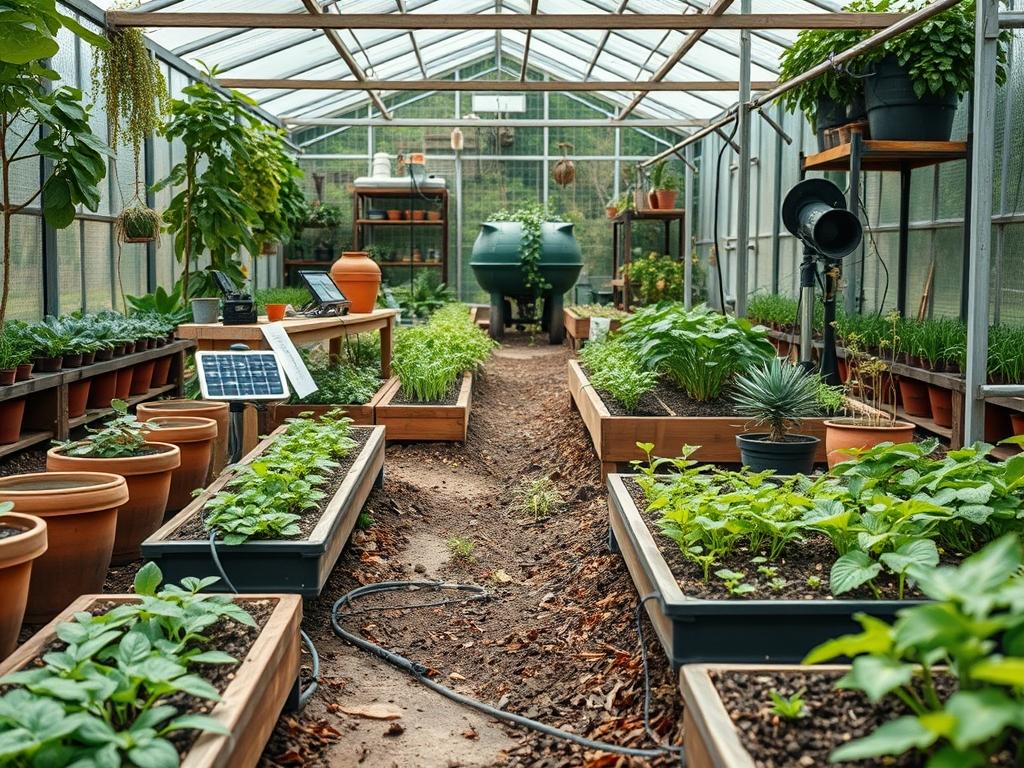
Modern landscaping is no longer just about the flora; it is about the synthesis of organic beauty and autonomous functionality. As we look toward 2026, the primary challenge for homeowners remains the integration of high performance technology without sacrificing the natural serenity of the outdoor space. Climate change dictates more efficient water usage, while curb appeal requires a seamless aesthetic that hides the nuts and bolts of utility. Solar Powered Garden Tech represents the pinnacle of this evolution, allowing for the deployment of sophisticated systems without the disruption of trenching for electrical lines or the ongoing cost of grid power. By focusing on smart, renewable energy solutions, a designer can improve the safety of walkways, the health of the soil, and the overall ambiance of the backyard retreat simultaneously.
The modern outdoor environment serves as an extension of the home, requiring careful consideration of spatial flow and sensory experience. Incorporating solar technology allows for a level of flexibility previously impossible in traditional design. For instance, the use of a Solar All-In-One Weather Station provides real time data on microclimates within a specific property, enabling the landscape architect to suggest precise plant placements based on actual wind and heat exposure. Furthermore, the aesthetic impact of a well lit garden cannot be overstated. By utilizing UV-Optimized Path Lights and High-Lumen Solar Tree Spotlights, we can create depth and highlight architectural features of the home long after the sun has set. This approach ensures that the garden remains a functional asset for twenty-four hours a day, enhancing both lifestyle and property value.
Landscape Design Principles
A successful landscape design rests on the foundational principles of symmetry and visual balance. When integrating tech gadgets, one must ensure they do not clutter the visual field. Focal points should be used to draw the eye toward preferred views, such as a Solar Floating Aeration Pump in a garden pond or a strategically placed sculpture illuminated by a Wireless Solar Security Camera with an integrated floodlight. These elements should work in harmony with the elevation layers of the property. Using low profile tech in the foreground and taller elements in the background maintains a sense of perspective.
Walkways provide the skeletal structure of the garden, guiding movement and defining separate outdoor “rooms.” Smart illumination along these paths is essential for safety. However, rather than standard stakes, 2026 trends favor Integrated Solar Step Lighting that sits flush with stone or timber. Irrigation planning must also be precise. By using a Solar Smart Irrigation Controller coupled with a Smart Soil Moisture Sensor, the landscape can be divided into hydro-zones. This allows for the delivery of the exact amount of water needed by specific species, preventing waste and ensuring that delicate plants thrive alongside rugged natives. Finally, visual balance is achieved by masking technology with greenery, ensuring that the primary experience remains one of nature.
Plant and Material Selection
Choosing the right materials and plant life is critical for creating a resilient ecosystem that supports your solar infrastructure. Avoid placing high maintenance plants near solar collectors to prevent shading and debris buildup.
| Plant Type | Sun Exposure | Soil Needs | Water Demand | Growth Speed | Maintenance Level |
| :— | :— | :— | :— | :— | :— |
| Lavender | Full Sun | Sandy/Well-drained | Low | Moderate | Low |
| Fescue Grass | Partial Shade | Loamy | Medium | Fast | Moderate |
| Japanese Maple | Partial Sun | Acidic/Moist | Medium | Slow | Medium |
| Sedum | Full Sun | Poor/Dry | Low | Moderate | Very Low |
| Hostas | Full Shade | Rich/Humus | High | Moderate | Low |
| Boxwood Hedge | Full to Partial Sun | Well-drained | Medium | Slow | Moderate |
When selecting hardscaping materials, opt for permeable pavers that allow water to return to the water table. Use Dark Basalt Gravel or Cedar Bark Mulch to provide a clean backdrop for your gadgets. For example, a Solar Robotic Lawn Mower operates most efficiently on a level surface with clearly defined Stone Edging that prevents it from straying into flower beds. This synergy between natural borders and autonomous machinery is a hallmark of the 2026 landscape.
Implementation Strategy
The successful implementation of a high tech garden requires a step by step layout plan. Begin with site grading to ensure that water flows away from the home foundation and any permanent structures. A 2-percent grade is generally sufficient to prevent pooling while still allowing for a level appearance. Once the grading is established, define your zones using Steel or Poly Landscape Edging to create clean lines between the turf and planting beds.
Next, address the drainage system by installing French drains or dry creek beds in low areas. This is where you should install your Autonomous Solar Pool Skimmer or pond management tools. When it comes to the planting beds, apply a 3-inch mulch depth to suppress weeds and retain moisture. This layer also helps protect the sensors of your Solar Greenhouse Ventilation Fan or Portable Solar Glow Spheres from soil splatter during heavy rains.
The final stage of layout involves the placement of pest management and security tech. An Ultrasonic Solar Pest Repeller should be placed near vulnerable vegetable patches or prized ornamentals. For security, ensure your Smart Solar Bird Feeder with AI Camera is positioned at a height that allows for clear views while remaining accessible for cleaning. This tiered approach to installation ensures that every piece of technology serves a dual purpose: aesthetic enhancement and practical utility.
Common Landscaping Failures
The most frequent error in modern landscaping is a failure to account for drainage. Poorly drained soil can lead to root rot and can also damage the internal batteries of ground based tech gadgets. Another common mistake is root overcrowding. When plants are placed too close to one another, they compete for nutrients and eventually shade out the solar panels on your Solar-Powered Outdoor Sound System or local sensors. Always follow professional spacing guidelines, accounting for the mature width of the plant.
Improper soil compaction is another silent killer of garden health. Heavy machinery used during construction can compress the earth, preventing oxygen from reaching the roots. To fix this, aerate the soil before installing your Solar Robotic Lawn Mower boundary wires. Irrigation inefficiencies also pose a threat. Overwatering not only wastes resources but can cause fungal growth on the underside of smart gadgets. Finally, failing to clean the solar cells on your equipment can lead to a 30-percent drop in energy efficiency within just a few months, rendering your smart garden significantly less intelligent.
Seasonal Maintenance
Landscape management is a year round commitment that changes with the light and temperature. In the spring, focus on cleaning all solar panels using a soft cloth and distilled water. Check the batteries in your Solar Step Lighting and replace any that no longer hold a charge throughout the night. Prune any overhanging branches that may have grown to shade your primary solar collectors during the winter months.
Summer maintenance requires a focus on hydration and heat management. Monitor your Solar Smart Irrigation Controller to ensure it is reacting correctly to heat waves. If you utilize a Solar Greenhouse Ventilation Fan, check the filters for dust and pollen. During autumn, the primary goal is debris removal. Falling leaves can quickly cover solar path lights and clog autonomous mowers. Clear these areas weekly to ensure uninterrupted operation.
Winter is the time for protection. In colder climates, some solar gadgets may need to be stored indoors to protect their internal components from extreme freezing. If you leave them out, ensure they are not buried under heavy snow, which can block the light and put physical stress on the frames. Throughout the year, maintaining a consistent 2-inch turf height will help your robotic mower operate more smoothly and keep your yard looking professionally manicured.
Professional Landscaping FAQ
How do I ensure my solar gadgets get enough light in a shaded garden?
Position the sensors or panels on the periphery of the shade or use models with detached solar panels. Placing panels on fences or high posts allows gadgets to stay in the shade while the power source remains in the sun.
Will a robotic mower work on steep hills or uneven terrain?
Most 2026 models can handle slopes up to 35 degrees. However, proper grading during the initial landscaping phase is vital. Ensuring the ground is smooth prevents the mower from getting stuck or losing traction on damp grass.
What is the best way to hide solar panels without losing efficiency?
Integrate panels into the design by choosing gadgets with built-in panels that mimic natural textures. Alternatively, place panels among low growing groundcovers like Sedum or hide them behind decorative Trellis Systems that allow light to pass through.
How often should I clean my solar powered landscape lights?
Clean the panels every three months with a damp, non abrasive cloth. In areas with high pollen or dust, monthly cleaning may be required. This ensures the sensors accurately detect dusk and the batteries receive a full charge.
Can solar garden tech withstand extreme weather conditions?
Most professional grade garden tech features an IP65 or higher waterproof rating. While they are built for rain and wind, it is wise to secure lightweight items like Glow Spheres or Sound Systems during high wind warnings to prevent damage.