
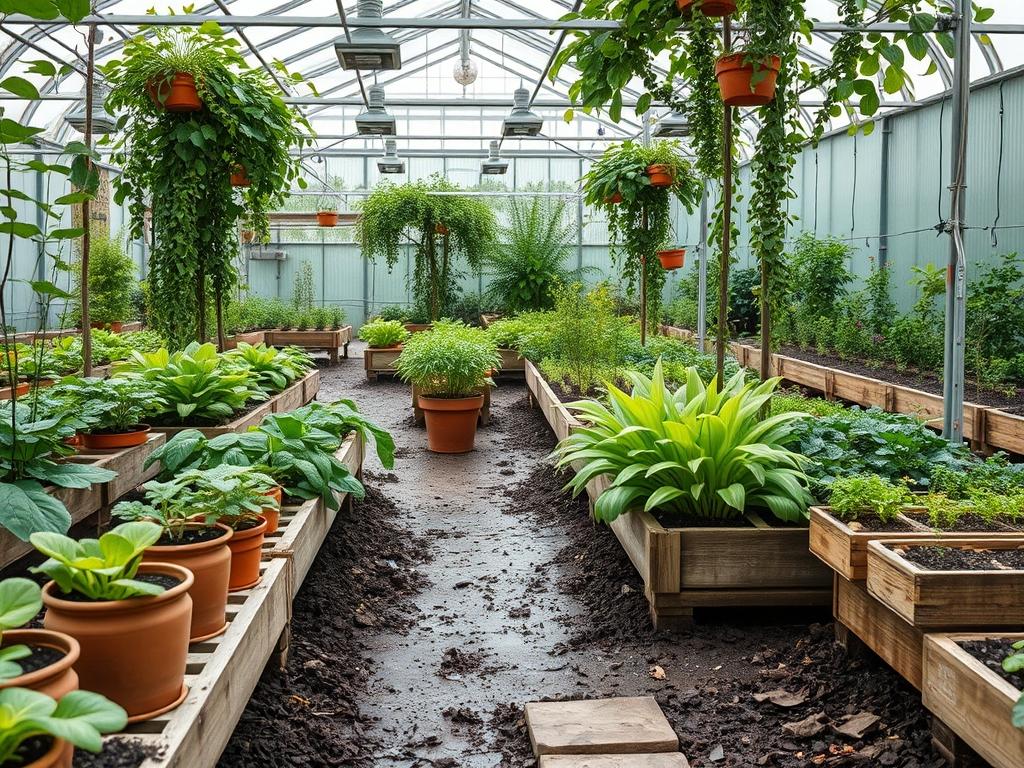
Maintaining a sophisticated landscape requires more than just a keen eye for aesthetic balance; it demands a rigorous approach to nutrient management. In high-end residential and commercial environments, the transition from manual feeding to Automated Garden Fertilizing represents a significant shift toward precision horticulture. The challenge for many property owners lies in the inconsistency of manual application, which often leads to nutrient leaching or toxic accumulation in the upper soil horizons. By integrating fertilization directly into the irrigation infrastructure, we can stabilize the health of the plant life while maximizing curb appeal. Sustainable landscape design is no longer just about the visual arrangement of boxwood and stone pavers. It is about the complex subterranean systems that ensure these elements thrive regardless of climate fluctuations.
A well-designed landscape must account for local weather patterns, especially in regions prone to heavy rainfall where nitrogen can be quickly washed away. Conversely, in arid climates, the salt index of fertilizers becomes a critical factor in preventing leaf scorch. Automated systems allow for micro-dosing, a technique where small amounts of nutrients are delivered frequently. This method mimics natural nutrient cycling and supports the long-term outdoor functionality of the space. When the environment is fed consistently, the foliage density increases, and the root systems of ornamental grasses and hardwood trees become more resilient against pathogens and drought stress.
Landscape Design Principles
Successful landscape architecture begins with a mastery of symmetry and focal points. When planning a site that utilizes Automated Garden Fertilizing, the physical layout must mirror the hydraulic zones of the irrigation system. A focal point, such as a large Japanese Maple or a multi-tiered retaining wall, serves as the visual anchor. However, beneath the surface, the piping must be zoned according to the specific nutritional needs of the different plant groups. Grouping plants with similar hunger levels is known as hydro-zoning, and it is the foundation of efficient automated feeding. For instance, heavy feeders like roses should be on a separate line from drought-tolerant succulents.
Elevation layers play a dual role in design and function. By using retaining walls to create tiered planting beds, a designer can manage water runoff and ensure that liquid fertilizers penetrate the root zone rather than pooling in low spots. Walkways and hardscaping elements like flagstone paths must be planned with access sleeves. These are 2-inch PVC pipes buried beneath the stone to allow for the future expansion of irrigation or fertilization lines without disturbing the finished masonry. Visual balance is maintained when the growth rates of the plants are synchronized, a feat that is nearly impossible without the steady delivery of nutrients provided by a calibrated venturi injector.
Plant and Material Selection
Selecting the right biological components is essential for a system that relies on fertigation. The following table outlines primary selections for a balanced, automated landscape.
| Plant Type | Sun Exposure | Soil Needs | Water Demand | Growth Speed | Maintenance Level |
| :— | :— | :— | :— | :— | :— |
| Emerald Green Arborvitae | Full Sun | Well-drained | Moderate | Medium | Low |
| Hydrangea Macrophylla | Part Shade | Rich Organics | High | Fast | Medium |
| Lavender | Full Sun | Sandy/Gravelly | Low | Medium | High (Pruning) |
| Kentucky Bluegrass | Full Sun | Loamy | High | Fast | High |
| Hostas | Full Shade | Moist Loam | Moderate | Slow | Low |
| Dwarf Alberta Spruce | Full Sun | Acidic | Moderate | Very Slow | Low |
The materials used in the system itself are just as vital as the plants. For the distribution manifold, we recommend Schedule 80 PVC, which offers higher pressure ratings and better UV resistance than standard piping. When selecting mulch, a 3-inch layer of double-shredded hardwood mulch is ideal for retaining the moisture delivered by the automated system while slowly contributing organic matter to the soil.
Implementation Strategy
The implementation of an automated feeding system begins with a comprehensive site survey and grading plan. Before any trenching starts, the land must be graded at a 2 percent slope away from building foundations to prevent water ingress. Once the grade is established, the main irrigation line is tapped to install a backflow preventer, specifically a Reduced Pressure Zone (RPZ) valve. This is a non-negotiable safety component that prevents fertilizer from siphoning back into the potable water supply.
After the safety valves are in place, the fertilizer injector is installed. For most residential applications, a venturi-style injector is the most reliable because it has no moving parts and operates based on the pressure differential created by water flow. The system is connected to a polyethylene storage tank, usually ranging from 5 to 30 gallons, which holds the liquid nutrient concentrate.
The next step involves laying out the sub-mains and lateral lines using 1-half inch swing pipe or poly tubing. During this phase, it is crucial to install pressure-compensating emitters at the base of each plant. These emitters ensure that the plant at the end of the line receives the same amount of nutrient-rich water as the plant closest to the pump. Finally, the system is buried, and an automated controller with a Wi-Fi interface is programmed to manage the timing. This allows the landscape architect or homeowner to adjust the N-P-K ratios based on the specific growing phase of the season.
Common Landscaping Failures
The most frequent failure in high-end landscaping is poor drainage management. Even the most sophisticated Automated Garden Fertilizing system cannot compensate for “wet feet” caused by soil compaction or a lack of perforated drain tile. When soil becomes oversaturated, the roots lose access to oxygen, and the automated nutrients simply ferment in the soil, leading to root rot. To fix this, designers must often incorporate French drains or dry creek beds into the initial layout.
Another common mistake is improper spacing and root overcrowding. It is tempting to plant for “instant impact,” placing 3-gallon shrubs too close together. Over time, these plants compete for the same automated nutrients, and the lack of airflow leads to powdery mildew. Furthermore, irrigation inefficiencies often arise when pop-up spray heads are blocked by growing foliage. Regular inspections must be conducted to ensure that the nozzles are clear of mineral deposits and that the filters in the fertilizer injector are not clogged by undissolved particulates. Failure to maintain these components leads to uneven growth and “hot spots” where plants are either starved or burned by concentrated chemicals.
Seasonal Maintenance
Seasonal management is the hallmark of a professional landscape consultant. In the spring, the focus is on reactivation and calibration. The backflow preventer must be tested, and the injection pump should be primed. This is the time to use a high-nitrogen starter fertilizer to jumpstart vegetative growth. Technicians should flush the lines to remove any debris that accumulated during the winter and check each emitter for consistent flow.
During the summer, the strategy shifts to stress management. Automated Garden Fertilizing should be adjusted to include higher levels of potassium, which helps the plants regulate transpiration and heat tolerance. The frequency of the cycles may increase, but the concentration of the fertilizer should be lowered to prevent salt buildup during high-evaporation periods.
In autumn, the system is used to deliver root-strengthening phosphorus. This prepares perennials and woody ornamentals for the dormant season. Finally, winterization is the most critical maintenance task in colder climates. The fertilizer tank must be drained and cleaned, and the entire irrigation network must be blown out with compressed air to prevent pipes from bursting. The controller should be set to standby mode, and any sensitive injectors should be removed and stored in a temperature-controlled environment.
Professional Landscaping FAQ
How does an automated system improve plant health?
Automated Garden Fertilizing provides a steady, low-dose supply of nutrients. This prevents the “boom and bust” cycle of manual feeding, leading to consistent growth, stronger immune systems in plants, and significantly less nutrient runoff into the local groundwater.
What is the best fertilizer for these systems?
Use only high-quality, water-soluble concentrates specifically designed for fertigation. These products are filtered to remove impurities that could clog valves and emitters. Ensure the formula is compatible with your specific soil pH and plant varieties.
Is backflow prevention really necessary for home systems?
Yes, it is a legal requirement in most jurisdictions. Without a Reduced Pressure Zone (RPZ) valve, concentrated fertilizers could be sucked back into your home’s drinking water or the city main if a pressure drop occurs.
Can I use organic fertilizers in an automated system?
While possible, most organic liquids contain particulates that can clog fine irrigation nozzles. If you choose organic, you must use highly refined fish emulsions or seaweed extracts and install a high-capacity disc filter after the injector.
How much maintenance does the automation require?
Beyond seasonal transitions, you should check the fertilizer tank levels monthly and inspect filters every eight weeks. A quick visual check of the plant health will usually tell you if a solenoid or injector is malfunctioning.