
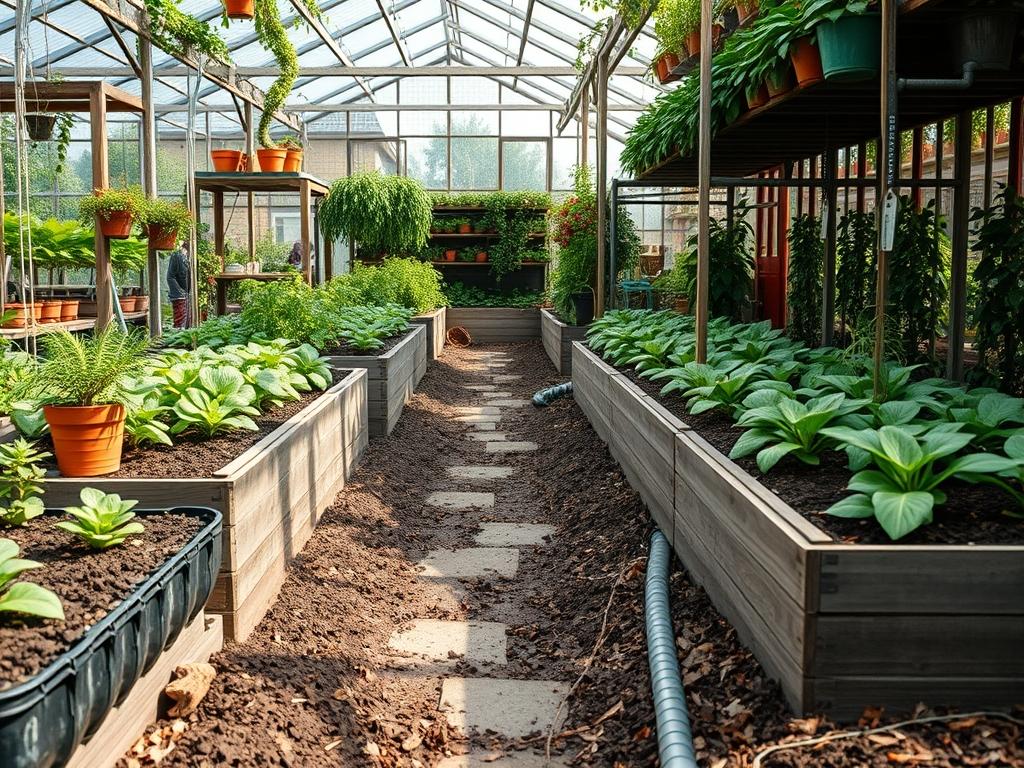
Modern landscaping represents a sophisticated fusion of environmental science and aesthetic artistry. As water scarcity becomes a more pressing concern for homeowners and commercial property managers alike, the integration of Smart Irrigation Pipe Tech has transitioned from a luxury to a necessity. This technology does not merely deliver water. It serves as a responsive nervous system for the outdoor environment, ensuring that high-value ornamental trees and curated turf receive the exact volume of hydration required based on real-time evaporative demand. Achieving curb appeal that lasts through varying seasons requires a deep understanding of how subsurface infrastructure supports surface-level beauty. Functional outdoor spaces are no longer just about the layout of a patio or the color of a perennial border; they are about the invisible systems that prevent soil erosion, manage runoff, and sustain life during periods of extreme heat.
Designing a landscape involves navigating the delicate balance between hardscaping and softscaping while considering the long-term health of the ecosystem. A masterfully planned yard begins with a comprehensive site analysis that accounts for micro-climates, soil composition, and existing drainage patterns. When we discuss Smart Irrigation Pipe Tech, we are looking at revolutionary materials like antimicrobial polyethylene and smart-pressure-compensating emitters that are embedded directly into the pipe walls. These systems are designed to minimize the standard maintenance headaches of the past, such as clogged spray heads or cracked PVC lines. By prioritizing high-quality fittings and intelligent distribution networks, a landscape architect ensures that the designer’s vision remains vibrant for decades rather than fading after the first season of water stress.
Landscape Design Principles
Successful landscape design is rooted in the principle of visual hierarchy. Every outdoor space should feature a focal point, whether it is a specimen Japanese Maple or a structured retaining wall built from natural stone. These focal points draw the eye and provide a sense of purpose to the layout. To achieve this, architects often use symmetry to create formal, traditional looks, or asymmetrical balance to mimic the organic feel of a natural woodland. Visual balance is further enhanced by elevation layers; by varying the height of plantings, from low-growing groundcovers to mid-range shrubs and towering canopy trees, a designer creates depth and interest.
Transitioning between these visual layers requires a logical flow, which is where walkways and hardscaping play a vital role. Proper irrigation planning must occur simultaneously with the placement of these structural elements. Standard irrigation often misses the mark in complex layouts, leading to overwatered zones near concrete paths and bone-dry soil under dense foliage. Smart Irrigation Pipe Tech solves this by utilizing segmented zones controlled by local sensors. These sensors communicate via Bluetooth or Wi-Fi to a central hub, adjusting the flow at each manifold. By placing irrigation lines precisely beneath the root zones of varied elevation layers, we ensure that water is never wasted on non-porous surfaces like pavers or stone walkways.
Plant and Material Selection
Selecting the right biological components is as critical as the mechanical ones. The following table outlines some of the most effective plant choices for a modern, smart-irrigated landscape, categorized by their growth habits and environmental needs.
| Plant Type | Sun Exposure | Soil Needs | Water Demand | Growth Speed | Maintenance |
| :— | :— | :— | :— | :— | :— |
| Boxwood Shrub | Full Sun to Shade | Well-Drained | Moderate | Slow | Low |
| English Lavender | Full Sun | Sandy/Alkaline | Low | Medium | Moderate |
| Blue Fescue | Full Sun | Poor to Average | Low | Fast | Very Low |
| Japanese Maple | Partial Shade | Slightly Acidic | Moderate | Slow | Moderate |
| Emerald Green Arborvitae | Full Sun | Moist/Loamy | Moderate | Medium | Low |
| Purple Coneflower | Full Sun | Versatile | Low | Fast | Low |
| Sedum Groundcover | Full Sun | Dry/Rocky | Very Low | Fast | Very Low |
The materials used for the infrastructure are equally important. High-density polyethylene (HDPE) is becoming the standard for Smart Irrigation Pipe Tech because of its flexibility and resistance to thermal expansion. Combined with stainless steel clamps and silicone-sealed fittings, these materials prevent the leaks that typically lead to soil saturation and root rot.
Implementation Strategy
The implementation of a professional grade garden begins with grading. Proper grading ensures that surface water flows away from the home foundation and toward designated drainage basins. Once the site is leveled, we begin the layout of the subsurface grid. Unlike traditional systems that use rigid PVC, modern Smart Irrigation Pipe Tech often utilizes flexible, heavy-duty tubing that can be snaked through the landscape without the need for excessive elbows and joints. This reduces the number of potential failure points in the system.
During the installation phase, the edges of the beds should be clearly defined using steel or heavy-duty plastic edging to prevent turf grass from encroaching on the mulch beds. Digging trenches for the smart lines involves placing the sensors at the midpoint of the root zone, usually between 6 and 12 inches deep depending on the plant species. After the pipes and fittings are pressure-tested, a layer of hardwood mulch or pine bark should be applied at a depth of 3 inches. This mulch serves a dual purpose: it suppresses weeds and acts as an insulative layer that keeps the soil moist, allowing the smart irrigation system to run less frequently.
The final step in the implementation is the calibration of the smart controller. This involves inputting the specific soil type and the flow rate of the emitters into the software. The result is a system that knows exactly when to shut off based on the moisture absorption rate of the specific earth in your backyard. This prevents the “puddling” effect often seen in poorly planned gardens.
Common Landscaping Failures
One of the most frequent errors in professional landscaping is the failure to account for soil compaction. When heavy machinery is used during construction, it squashes the air pockets in the soil, making it nearly impossible for traditional irrigation to penetrate. Water simply runs off the surface, even if the pipes are functioning perfectly. This is why aeration and the addition of organic soil amendments are non-negotiable steps before the Smart Irrigation Pipe Tech is buried.
Another common failure is root overcrowding. Designers often select plants based on their size at the nursery rather than their mature dimensions. Within three to five years, the root systems begin to compete, and larger roots can eventually crush irrigation lines or dislodge fittings if the pipes are not protected. Furthermore, improper spacing often leads to poor air circulation, which invites fungal diseases in humid climates. Inefficient irrigation, such as using high-pressure spray heads in windy areas, results in excessive evaporation. By switching to subsurface drip lines provided by the latest pipe technology, you eliminate wind-drift and ensure that every drop reachers the target.
Seasonal Maintenance
To keep a high-tech landscape functioning at peak performance, a seasonal schedule is mandatory. In the spring, the primary focus is on system calibration. You should flush the irrigation lines to remove any sediment that may have settled during the winter and check the batteries in the remote soil sensors. This is also the time to apply a fresh layer of mulch and prune any winter damage from your Boxwoods or Arborvitaes.
Summer maintenance shifts toward monitoring. As temperatures rise, the Smart Irrigation Pipe Tech will automatically increase frequency, but a visual inspection of the foliage is still necessary to ensure no emitters have been blocked by root growth. In autumn, the focus turns to debris management. Clear fallen leaves to prevent them from clogging drainage basins or creating a mats that harbor pests. This is the ideal time for planting new trees, as the cooler air and warm soil encourage root development before the frost.
Winter is the most critical time for infrastructure protection. In many climates, the most important task is the “blow-out” procedure. This involves using an air compressor to remove all residual water from the pipes and manifold. Even the most durable Smart Irrigation Pipe Tech can suffer damage if water freezes and expands inside the fittings. Turning off the main water supply and insulating the exterior backflow preventer will save thousands of dollars in repair costs when the ground thaws in the spring.
Professional Landscaping FAQ
What makes irrigation pipe tech smart?
Traditional pipes are passive conduits. Smart tech integrates sensors, pressure-regulating emitters, and flow meters. These components communicate with a controller to adjust water output based on soil moisture, weather forecasts, and specific plant needs, drastically reducing water waste.
Can smart fittings be retrofitted into old systems?
Yes, many smart fittings and sensors are compatible with existing PVC or polyethylene networks. By replacing standard manifolds with smart valves and adding inline sensors, you can upgrade an older system to improve efficiency without a total excavation.
Why is deep mulching important for irrigation?
A 3 inch layer of mulch regulates soil temperature and reduces evaporation. This allows the smart irrigation system to maintain consistent moisture levels with less water, protecting the pipes from UV degradation and mechanical damage from lawn equipment.
How do I prevent roots from clogging my pipes?
Using high-quality Smart Irrigation Pipe Tech often includes tubes treated with root-inhibiting chemicals or physical barriers. Proper plant spacing and placing emitters away from the primary trunk of large trees also minimize the risk of root intrusion.
Is smart irrigation worth the higher initial cost?
While the upfront investment in sensors and specialized fittings is higher, the long-term savings are significant. You will see reduced water bills, fewer plant replacements due to stress, and a decrease in labor costs for manual troubleshooting and maintenance.