
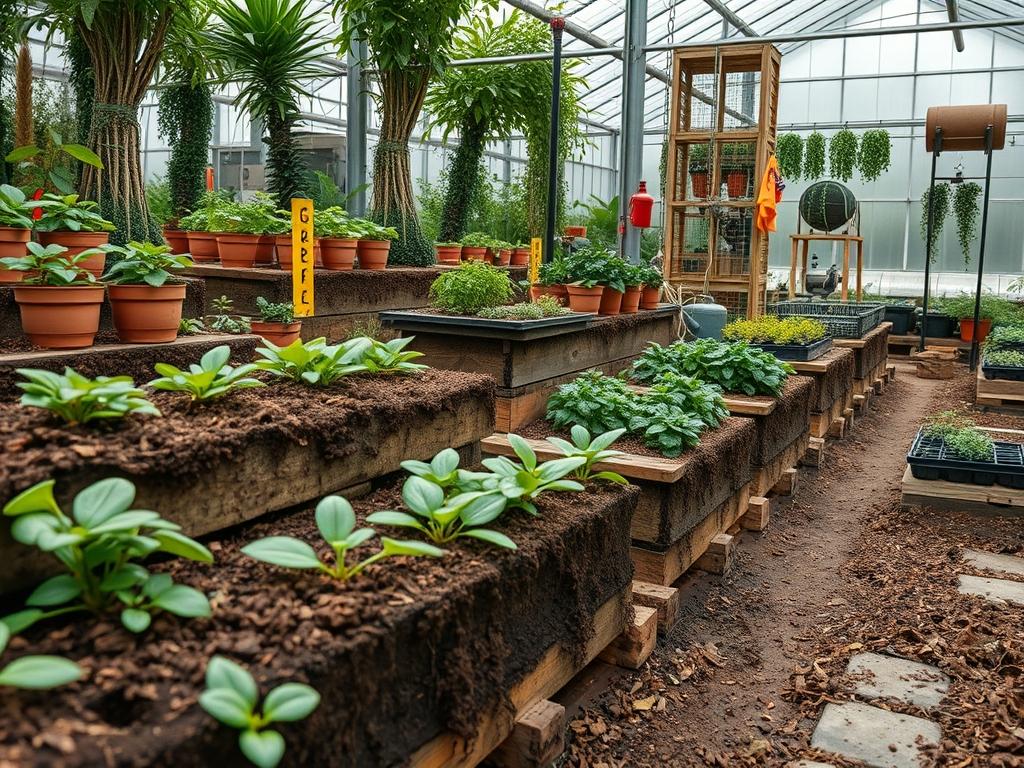
The success of a professional landscape installation rarely depends on the aesthetic quality of the nursery stock alone. Instead, the longevity of a project is dictated by the invisible chemical and physical properties of the earth beneath the surface. For the modern landscape architect, the shift from traditional laboratory sampling to high-tech soil testing kits represents a fundamental evolution in environmental management. While traditional labs offer deep chemical breakdowns, they often involve a two-week delay and a snapshot of a single moment in time. High-tech digital sensors and spectrophotometry kits provide instantaneous data, allowing for on-site adjustments that preserve the health of a site from the moment a bobcat first breaks ground. By utilizing real-time feedback for nitrogen, phosphorus, potassium, and pH levels, designers can build environments that are biologically stable and visually stunning.
Landscape Design Principles
Successful landscape design is an exercise in intentional spatial organization. It begins with the concept of symmetry and visual balance, ensuring that the heavy mass of a retaining wall or a large coniferous tree is countered by lighter textures or open space. A focal point, such as a custom water feature or a structural Japanese Maple, should anchor the view from primary indoor windows, bridging the interior and exterior living environments. Elevation plays a critical role in this process. Designers use subtle grade changes to define “rooms” within the garden, often utilizing natural stone steps or tiered paver patios to create a sense of transition and discovery.
Layering is the next vital principle. This involves a hierarchical approach to plant height, starting with a tall canopy of Oaks or Maples, followed by mid-story shrubs like Boxwoods, and finishing with low-lying groundcovers. This vertical architecture creates depth and mimics natural ecosystems. Furthermore, irrigation planning must be integrated into the initial design phase rather than added as an afterthought. Efficient systems utilize drip irrigation and smart weather sensors to deliver water directly to the root zones, minimizing evaporation and runoff. When walkways are designed with permeable pavers or decomposed granite, they function as both aesthetic guides and drainage solutions, ensuring that the site remains functional even after heavy precipitation.
Plant and Material Selection
The bridge between design and reality is the selection of materials that thrive in the specific microclimate of the project site. The following table outlines primary selections based on diverse environmental needs.
| Plant Type | Sun Exposure | Soil Needs | Water Demand | Growth Speed | Maintenance Level |
| :— | :— | :— | :— | :— | :— |
| Emerald Green Arborvitae | Full Sun | Loam / Well-drained | Moderate | Medium | Low |
| Lavender (Lavandula) | Full Sun | Sandy / Alkaline | Low | Fast | Medium |
| Hostas (Hosta fortunei) | Partial Shade | Rich Humus | Moderate | Slow | Low |
| Hydrangea Macrophylla | Morning Sun | Acidic / Moist | High | Fast | High |
| Japanese Forest Grass | Full Shade | Moist / Organic | Moderate | Slow | Low |
| Switchgrass (Panicum) | Full Sun | Diverse / Adaptive | Low | Fast | Very Low |
When selecting hardscaping materials, the architect must consider the heat absorption of dark slate versus the reflective properties of light limestone. For structural components, pressure-treated lumber is standard for hidden framing, while cedar or ipe is preferred for visible decking due to their natural resistance to rot. Using high-tech soil testing kits during this phase allows the professional to match these specific plant requirements to the exact chemical profile of the site, ensuring that an acid-loving Azalea is not planted in a high-pH environment.
Implementation Strategy
A successful implementation starts with a comprehensive sub-grade preparation. Before any decorative elements are installed, the land must be graded to ensure a minimum two percent slope away from all residential structures. This prevents hydrostatic pressure against foundations and protects the integrity of hardscaping. Once the grade is established, the layout of the irrigation mainlines and electrical conduits for low-voltage LED lighting occurs.
Edging provides the crisp definition required for a professional finish. Whether using heavy-gauge steel edging or poured concrete curbs, this barrier prevents the migration of turf grass into ornamental beds. Following the placement of larger specimen trees, which often require a mechanical spade or heavy-duty slings, the smaller shrubs and perennials are installed according to the blueprint spacing. A critical step is the application of organic mulch at a depth of exactly 3 inches. This mulch layer regulates soil temperature, suppresses weed germination, and as it decomposes, contributes vital organic matter back into the soil. Throughout this process, recurring tests with a digital soil probe ensure that the moisture levels remain optimal for new root establishment.
Common Landscaping Failures
The most frequent failures in landscaping are often hidden from plain sight until the damage is irreversible. Drainage mistakes top the list; many installers fail to account for the “bathtub effect” where water collects in a planting hole dug into heavy clay soil. Without a proper French drain or the addition of expanded shale to improve porosity, roots will literally drown. Root overcrowding is another common error. Designers often plant for “instant impact,” forgetting that a 15-gallon shrub may triple in width within five years. This leads to poor air circulation and pest infestations.
Soil compaction is a silent killer in new construction. Heavy machinery compresses the earth, destroying the micropores necessary for oxygen exchange. If a landscape professional does not use a tine aerator or deep-tillage techniques prior to planting, the vegetation will eventually suffocate. Finally, irrigation inefficiencies occur when “one size fits all” scheduling is applied. Without moisture sensors or high-tech soil kits to verify the depth of water penetration, gardeners often overwater the surface while the deep roots remain parched. This results in shallow root systems that cannot survive the heat of summer.
Seasonal Maintenance
Landscape management is a year-round commitment that changes with the solar cycle. In the Spring, the focus is on “awakening” the garden. This includes the removal of winter debris, the application of a pre-emergent herbicide, and the first round of slow-release fertilizer. It is also the peak time for using high-tech soil testing kits to recalibrate the nutrient balance before the primary growing season begins.
Summer maintenance revolves around water management and “deadheading” spent blooms to encourage secondary flowering. This is the period where mulch depth should be inspected and replenished to combat evaporation. As the garden moves into Autumn, the strategy shifts toward preparation. Fall is the ideal time for planting new trees and bulbs, as the soil remains warm while the air cools. It is also the time to apply a “winterizer” fertilizer high in potassium to strengthen cellular walls against frost. During Winter, the landscape architect focuses on structural pruning of deciduous trees and the protection of sensitive species with burlap wraps. High-tech sensors continue to be useful here for monitoring soil temperature, helping designers decide exactly when to blow out irrigation lines to prevent freeze damage.
Professional Landscaping FAQ
Why should I choose high-tech soil kits over mail-in lab tests?
Digital kits provide immediate results for nitrogen, phosphorus, and pH, allowing for instant on-site amendments. Lab tests often take weeks, which can delay critical planting schedules and lead to nutrient imbalances during the most sensitive stages of growth.
How deep should my landscape drainage pipes be buried?
Typically, drainage pipes like a perforated PVC should be buried at least 12 to 18 inches deep. They must be surrounded by clean gravel and wrapped in filter fabric to prevent sediment from clogging the system over time.
What is the best way to prevent weeds permanently?
Permanent prevention requires a multi-layered approach using landscape fabric, a heavy 3-inch layer of mulch, and consistent application of pre-emergent barriers. Regular monitoring and hand-pulling are still necessary to manage wind-blown seeds that land on top of the mulch.
Can I plant large trees near my home foundation?
It is generally recommended to plant large trees at least 15 to 20 feet away from foundations. Species with aggressive lateral root systems can cause structural shifting or penetrate sewer lines if they are placed too close to the home.
How do I know if my soil is too compacted for new plants?
If you cannot easily push a screwdriver at least 6 inches into the earth, your soil is likely compressed. Professional architects use a penetrometer to measure resistance and determine if mechanical aeration or soil replacement is necessary.