
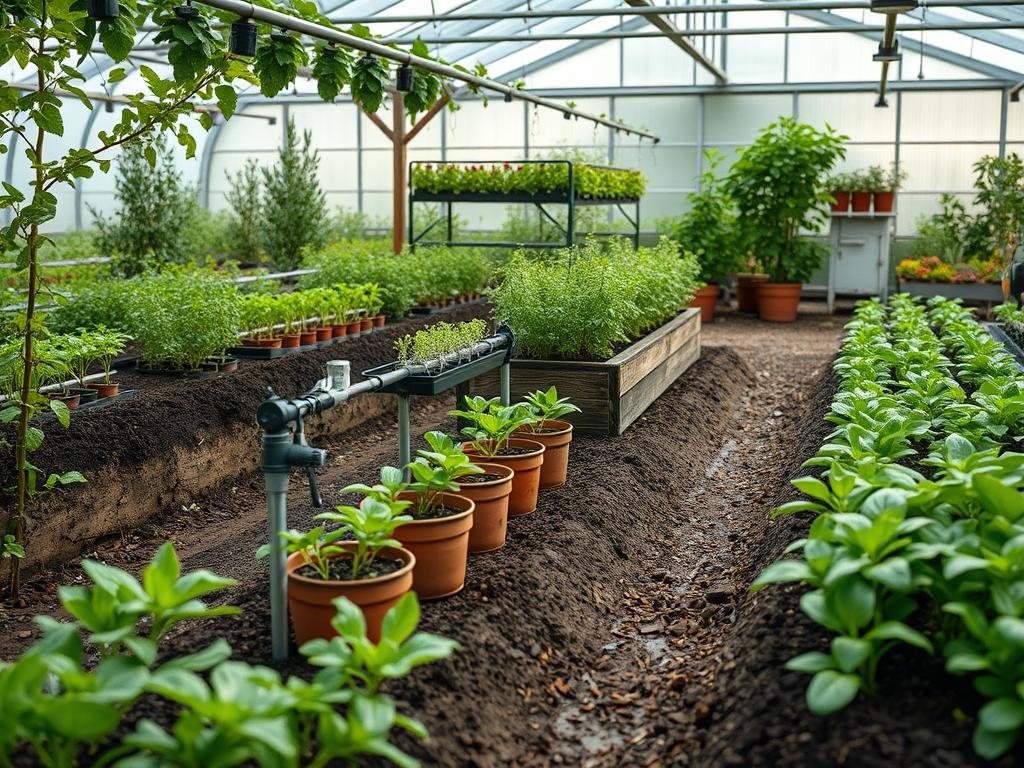
Container gardening often presents a unique paradox for the modern homeowner. While pots and planters offer unmatched flexibility for styling entryways and patios, they rely on a precarious water balance that climate fluctuations easily disrupt. A single afternoon of intense heat can desiccate the root ball of a prized Japanese Maple or Mandevilla, leading to leaf scorch and diminished curb appeal. High-end landscape design increasingly integrates automated drip systems to mitigate this risk, ensuring that the visual impact of the greenery remains consistent through the seasons. By transitioning from manual watering to a programmed network of emitters, we achieve a level of outdoor functionality that preserves the investment in premium plant specimens while reducing labor.
Effective landscape architecture seeks to merge beauty with sustainability. In urban or suburban environments, the use of large-scale planters allows for the introduction of nature where soil availability is limited. However, the higher evaporation rates associated with containerized soil require a more disciplined approach to hydration than traditional inground plantings. Automated drip systems provide the precision necessary to deliver water directly to the root zone, minimizing waste and preventing the fungal issues often caused by overhead spraying. This targeted approach is not merely a convenience; it is a fundamental requirement for maintaining the structural integrity and aesthetic vibrance of a sophisticated outdoor environment.
Landscape Design Principles
When designing a landscape that features a heavy emphasis on containerized plants, symmetry and focal points serve as the primary anchors. A well-placed pair of oversized urns flanking a grand entrance creates an immediate sense of arrival. To maintain this visual balance, the irrigation components must be invisible. We achieve this by routing polyethylene tubing behind structures, under mulch, or along the crevices of retaining walls. The goal is to provide the life-giving water without the visual clutter of exposed hoses.
Elevation layers are equally critical in a multi-dimensional garden. By varying the height of planters, a designer can create a lush, tiered effect that mimics a natural forest edge. In these scenarios, irrigation planning must account for gravity and pressure variables. A container sitting on a three-foot pedestal requires consistent pressure to ensure the emitter functions as effectively as one at ground level. This is where the use of pressure-compensating emitters becomes vital, as they maintain a steady flow regardless of the elevation changes within the system layout.
Furthermore, the placement of walkways should dictate the routing of the main irrigation lines. Modern garden layouts often utilize pavers with wide joints or gravel paths; these areas provide excellent opportunities to hide the 1/2-inch distribution pipe. By planning the irrigation early in the design phase, the landscape architect ensures that the hardscaping and the life-support systems of the plants are perfectly integrated. Visual balance is maintained when the hardware of the system remains secondary to the organic beauty of the flora.
Plant and Material Selection
Selecting the right combination of plants and containers is the next step in creating a resilient landscape. The following table outlines some of the most effective species for containerized environments and their specific requirements within an automated irrigation framework.
| Plant Type | Sun Exposure | Soil Needs | Water Demand | Growth Speed | Maintenance Level |
| :— | :— | :— | :— | :— | :— |
| Boxwood | Full to Partial | Rich, Well-drained | Moderate | Slow | Low |
| Dwarf Alberta Spruce | Full Sun | Loamy, Acidic | Low to Moderate | Very Slow | Low |
| Geranium | Full Sun | Well-drained | Moderate | Fast | Medium |
| Fatsia Japonica | Shade | Moist, Organic | High | Moderate | Medium |
| Agave | Full Sun | Sandy, Gritty | Very Low | Slow | Low |
| Mandevilla | Full Sun | Well-drained | High | Fast | High |
The materials used in the system are just as important as the plants themselves. For high-end installations, we prioritize UV-resistant tubing and multi-outlet manifolds. The use of a smart controller allows for real-time adjustments based on local weather data, which prevents over-watering during rainy periods. This level of technical sophistication ensures that the potting mix, which often includes perlite and peat moss, maintains the ideal moisture-to-air ratio for root health.
Implementation Strategy
The implementation of an automated drip system begins with a thorough site analysis and grading assessment. Even though the plants are in containers, the surrounding landscape must handle any potential runoff or overflow. We start by mapping out the “hydrozones,” which are groups of plants with similar water requirements. This prevents a succulent from being drowned while a neighboring tropical fern remains thirsty.
Once the zones are established, the primary water source is fitted with a backflow preventer and a pressure regulator. Most residential water systems operate at a pressure that is too high for delicate drip components; reducing this to approximately 25 PSI is standard practice. From the regulator, a 1/2-inch main line is run along the perimeter of the garden area. We use landscape staples to secure the line to the soil, eventually covering it with three inches of shredded cedar mulch or decorative stone for insulation and aesthetics.
At each container, a hole is punched into the main line to attach a 1/4-inch micro-tubing lead. This smaller line travels up the back or through the drainage hole of the pot to reach the soil surface. At the end of this line, an emitter is placed. For larger pots, we may use an inline drip ring to ensure the entire root ball receives moisture. Finally, we install end caps at the termination of each run to seal the system. After the physical installation is complete, a “flush” is performed to clear any debris from the lines before the emitters are attached.
Common Landscaping Failures
One of the most frequent failures in automated irrigation is the neglect of drainage. Even the most precise drip system will fail if the container does not have an adequate exit path for excess water. When pots sit directly on flat hardscaping, the drainage hole can become vacuum-sealed against the ground, leading to root rot. To solve this, we use pot feet or hidden risers to elevate the container, allowing gravity to pull excess moisture away from the roots.
Soil compaction is another silent killer in container gardens. Over time, the repeated wetting and drying cycles can cause professional grade potting soil to compress, squeezing out oxygen. When this happens, water from the drip system may simply run down the inside edges of the pot rather than soaking into the root ball. Regularly top-dressing with fresh compost or gently aerating the surface can prevent this issue.
Furthermore, many homeowners fail to account for the “venturi effect” or simple clogging in their emitters. Mineral deposits from hard water can gradually restrict flow. Without a transparent monitoring process, a plant may starve for water while the system appears to be running perfectly. Using a high-quality in-line filter at the beginning of the system is the best defense against this common frustration.
Seasonal Maintenance
Landscape management is a year-round commitment. In the spring, the system must be reactivated with a thorough inspection. We check for leaks caused by winter freezing and replace any emitters that have been damaged. This is also the time to adjust the controller for the increasing daylight hours and warmer temperatures.
During the summer peak, the focus shifts to monitoring. High temperatures may necessitate a “split-cycle” watering schedule, where the system runs once in the early morning and again in the late evening. This reduces evaporation and ensures the plants have a reservoir of moisture to draw from during the heat of the day.
As autumn approaches, the water demand naturally decreases. We gradually reduce the frequency of the irrigation cycles to help the plants enter their dormancy phase. For those in colder climates, winter maintenance is the most critical step. The system must be drained of all water to prevent the lines from cracking. We often use a small air compressor to blow out the polyethylene tubing and then remove the timer and pressure regulator to store them indoors. This proactive care ensures that the system is ready to perform again once the spring thaw arrives.
Professional Landscaping FAQ
How often should I run my drip system for potted plants?
Generally, a daily cycle of 10 to 20 minutes is sufficient. However, this depends on the emitter flow rate and pot size. High-heat periods may require twice-daily sessions to prevent soil medium desiccation and heat stress.
Can I mix different plant types on the same drip line?
It is possible if you use pressure-compensating emitters with different flow rates. Assign higher gallon-per-hour emitters to thirsty plants and lower flow rates to succulents. This allows for customized hydration within a single irrigation zone.
What is the best way to hide irrigation tubing on a patio?
Route the 1/4-inch micro-tubing along the baseboards or within the mortar joints of stone walls. Using tubing that matches the color of your containers or hardscaping, such as brown or black, also significantly reduces visual impact.
Do I need a special pump for an automated drip system?
Most residential outdoor faucets provide enough pressure. You actually need a pressure regulator to lower the PSI. A pump is only necessary if you are drawing water from a low-pressure rain barrel or a distant natural pond.
Why are my potted plants still dying even with a system?
The most likely culprit is a clogged emitter or root-bound soil. If the water cannot penetrate the center of the root ball, the plant will suffer. Check the output of each line weekly to ensure consistent water delivery.